
Introduction
Eating the right snacks between meals is essential for maintaining energy, supporting muscle growth, and curbing hunger. Protein-packed snacks are increasingly popular because they offer more than just a quick bite—they provide essential nutrients that help your body recover, build strength, and stay energized. Unlike traditional carb-heavy options, these snacks help stabilize blood sugar and improve satiety. Whether you’re a fitness enthusiast, a busy professional, or someone aiming for a healthier lifestyle, knowing how to choose and enjoy protein-rich options can make a real difference.
Why Choose Protein-Packed Snacks
Protein is a fundamental building block for the body. It repairs tissues, supports immune function, and promotes muscle growth. While meals provide a large portion of your daily protein, snacks can bridge gaps and prevent energy dips. A well-planned protein snack can:
Enhance Muscle Recovery
After workouts, muscles require amino acids to repair and grow. Protein-rich snacks deliver these nutrients in a convenient way. They reduce muscle soreness and support faster recovery, making your next training session more effective.
Improve Satiety
Protein is more filling than fats or carbohydrates. A snack high in protein can help you feel satisfied longer, reducing cravings for unhealthy foods. This makes it easier to stick to a balanced diet and avoid overeating.
Support Metabolism
Protein increases thermogenesis—the process of generating heat during digestion. This can slightly boost metabolism and help maintain a healthy weight when combined with regular exercise.
How to Identify Protein-Packed Snacks
When selecting a protein snack, focus on quality, digestibility, and nutritional balance. Look beyond protein grams to ensure you’re getting additional benefits.
Protein Content
A snack should ideally contain at least 10–15 grams of protein per serving. This amount is sufficient to contribute meaningfully to daily protein needs without overloading the body.
Healthy Ingredients
Choose snacks made with natural ingredients. Avoid excessive added sugar, artificial flavors, or trans fats. Options that include nuts, seeds, dairy, or legumes tend to offer better nutrition and sustained energy.
Portability and Convenience
The best protein snacks are easy to carry and require minimal preparation. This is especially important for busy lifestyles or long days away from home.
Examples of Effective Protein Snacks
While there is a vast range of protein-rich foods, certain options stand out for taste, convenience, and nutritional profile. Incorporating them into your routine can improve energy levels and dietary balance.
Yogurt and Greek Yogurt
Rich in casein and whey protein, Greek yogurt provides both slow and fast-digesting protein. It’s ideal as a snack between meals and can be paired with fruits or nuts for added fiber and micronutrients.
Nut Butters
Almond, peanut, or cashew butter offers protein alongside healthy fats. Spread on whole-grain toast or paired with apple slices, it’s a filling and flavorful option.
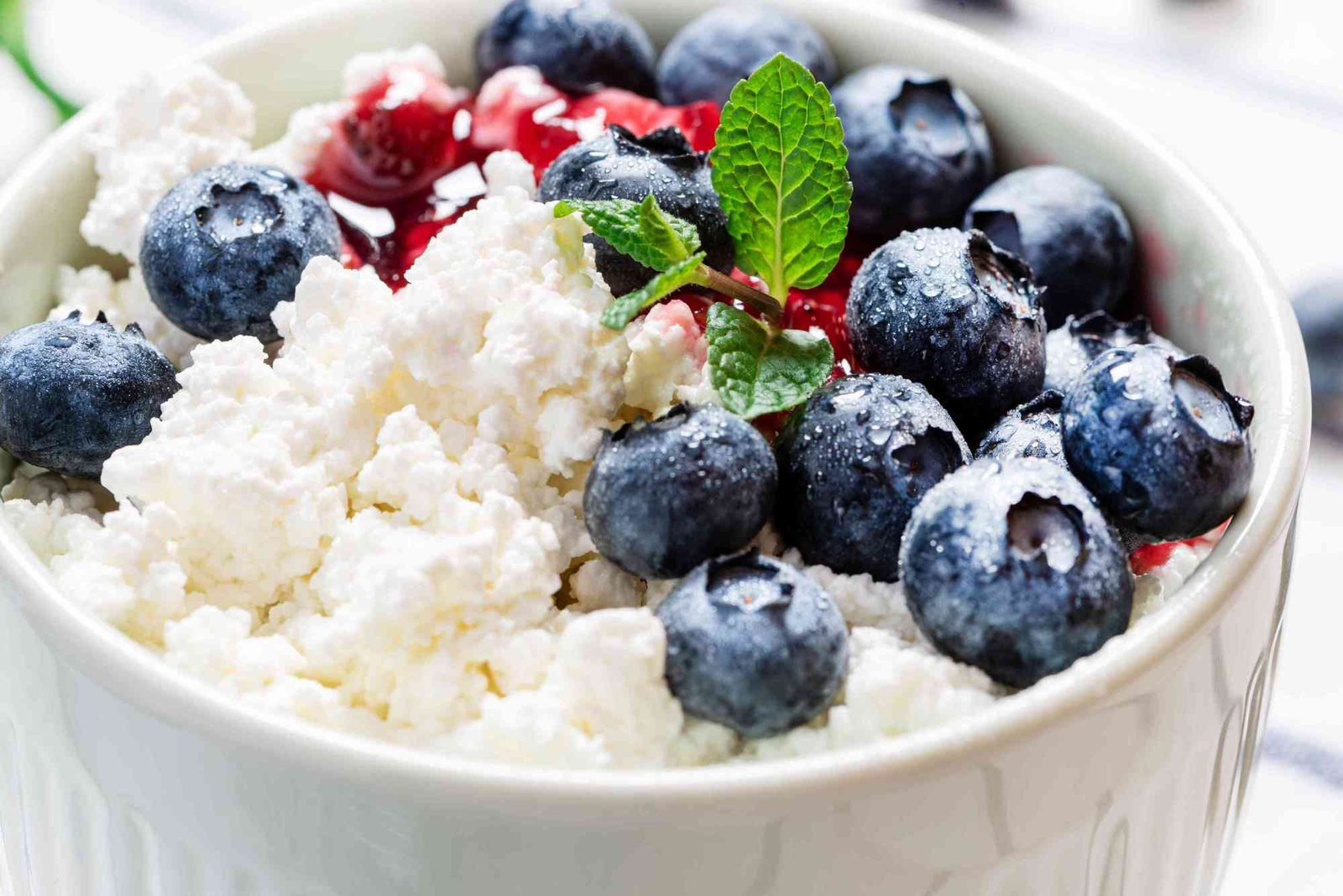
Cheese and Cottage Cheese
Dairy-based snacks such as cheese sticks or cottage cheese provide high-quality protein. They are portable and help curb cravings without excess sugar.
Protein Bars and Bites
While convenient, choose bars with minimal added sugar and natural ingredients. They are perfect for post-workout recovery or mid-afternoon hunger.
Nuts and Seeds
Almonds, pistachios, pumpkin seeds, and sunflower seeds provide protein, fiber, and healthy fats. These snacks are easy to store and enjoy on the go.
Hard-Boiled Eggs
Eggs are a complete protein source, containing all essential amino acids. Hard-boiled eggs are easy to prepare, portable, and nutrient-dense.
Edamame and Legumes
Soybeans and other legumes are plant-based protein powerhouses. They are rich in fiber and micronutrients, supporting digestion and long-term health.
Timing Your Protein Snacks
When you eat protein snacks can be as important as what you eat. Strategically consuming them enhances performance, recovery, and overall wellbeing.
Pre-Workout Snacks
Eating protein before exercise can provide amino acids for immediate muscle support and prevent excessive muscle breakdown during intense sessions. Combine protein with some complex carbs for sustained energy.
Post-Workout Snacks
This is the optimal window for protein intake. Consuming a snack rich in protein shortly after exercise accelerates recovery, reduces soreness, and replenishes energy stores.
Midday or Between Meals
Protein snacks during long gaps between meals prevent energy crashes and reduce unhealthy snacking. They help maintain focus, improve mood, and support stable blood sugar levels.
Benefits Beyond Muscle
The advantages of protein-packed snacks extend beyond fitness goals. They contribute to long-term health, weight management, and mental clarity.
Weight Management
High-protein snacks promote fullness and reduce overeating. Combined with a balanced diet, they can help manage calorie intake and prevent unwanted weight gain.
Heart Health
When chosen wisely, protein snacks like nuts and seeds contribute to heart health by providing unsaturated fats and essential nutrients.
Cognitive Function
Protein supports neurotransmitter production, which influences mood, focus, and mental performance. A balanced protein snack can enhance productivity and cognitive clarity.
Common Mistakes to Avoid
Even the healthiest protein snacks can become less effective if not used correctly. Avoid these pitfalls:
Overconsumption
High-protein snacks are nutrient-dense, but eating them in excess can increase calorie intake, potentially leading to weight gain. Moderation is key.
Ignoring Ingredients
Not all protein snacks are created equal. Some commercially available options are high in sugar, artificial additives, or low-quality protein. Always check labels.
Skipping Whole Foods
While bars and packaged snacks are convenient, whole-food protein sources should remain a foundation. Combine both for variety and optimal nutrition.
Integrating Protein Snacks Into Your Lifestyle
Incorporating protein-packed snacks doesn’t have to be complicated. Start by assessing your daily protein needs, then choose snacks that fit your routine and preferences. Meal prep can help maintain consistency, especially for busy schedules. You can prepare small snack packs, keep yogurt cups on hand, or store nuts in accessible containers. Over time, these habits contribute to sustained energy, improved fitness, and better overall health. For a variety of options and inspiration, explore High Protein Snacks for convenient choices you can enjoy every day.
Protein-packed snacks are more than a trend—they are a practical tool to support health, fitness, and energy levels. By selecting quality options, timing your intake wisely, and avoiding common mistakes, you can enjoy snacks that are both delicious and functional. Whether you are aiming to build muscle, manage weight, or simply feel more energized throughout the day, these snacks provide the fuel your body needs. Start incorporating protein-packed snacks into your daily routine, experiment with different options, and discover how simple changes can make a big impact. Explore our Related Blog article for more lifestyle tips and see More details on how protein impacts your overall health.
FAQs
What is the best time to eat protein snacks?
Protein snacks are most beneficial post-workout and during long gaps between meals to support recovery and satiety.
How much protein should a snack contain?
A good target is 10–15 grams per serving, which balances hunger management without excessive calorie intake.
Are protein bars healthy?
They can be, but choose bars with natural ingredients, low added sugar, and high-quality protein sources.
Can protein snacks help with weight loss?
Yes, because they increase satiety, stabilize blood sugar, and reduce cravings, making it easier to manage calorie intake.
What are good plant-based protein snack options?
Nuts, seeds, edamame, and legumes provide plant-based protein with added fiber and micronutrients.
Are dairy-based protein snacks suitable for everyone?
While dairy is a complete protein source, those who are lactose intolerant should consider alternatives like lactose-free yogurt, nut butters, or soy-based snacks.