
Introduction
In today’s fast-paced world, snacking has become an essential part of daily life. For health-conscious consumers, choosing the right snack is not just about satisfying hunger but also about fueling the body with essential nutrients. The challenge is to find options that are both convenient and nutritious. With rising awareness of wellness, more people are shifting away from processed foods and seeking snacks that support their overall health. This guide explores the top snacks for health-conscious consumers and offers practical tips for integrating them into your lifestyle.
Why Choosing Healthy Snacks Matters
Healthy snacks do more than curb hunger between meals. They can stabilize blood sugar, provide essential nutrients, support digestion, and improve energy levels. For people managing weight or looking to maintain balanced nutrition, the snacks you choose play a significant role. Many packaged options are high in sugar, sodium, and unhealthy fats, which can lead to energy crashes and long-term health issues. Therefore, understanding what makes a snack truly healthy is crucial for anyone aiming to eat mindfully.
Nutritional Balance is Key
A snack should ideally provide a mix of protein, healthy fats, fiber, and complex carbohydrates. Protein helps keep you full longer, while fiber aids digestion and supports gut health. Healthy fats, like those found in nuts and seeds, help with brain function and hormone regulation. Carbohydrates from whole grains or fruits provide a slow, steady release of energy, avoiding the spikes and crashes associated with refined sugar.
Portion Control
Even the healthiest snacks can become counterproductive if consumed in large quantities. Portion control ensures that you get the benefits without excessive calorie intake. Using small containers or pre-portioning snacks can help maintain a balanced diet. Mindful eating, paying attention to hunger cues, and avoiding distracted snacking are also essential strategies for health-conscious consumers.
Popular Snacks for Health-Conscious Consumers
When selecting snacks, versatility and nutrient density are important. Some options can be eaten on the go, while others work well as part of a more deliberate meal plan. The following categories highlight snacks that are both delicious and nourishing.
Fruits and Vegetables
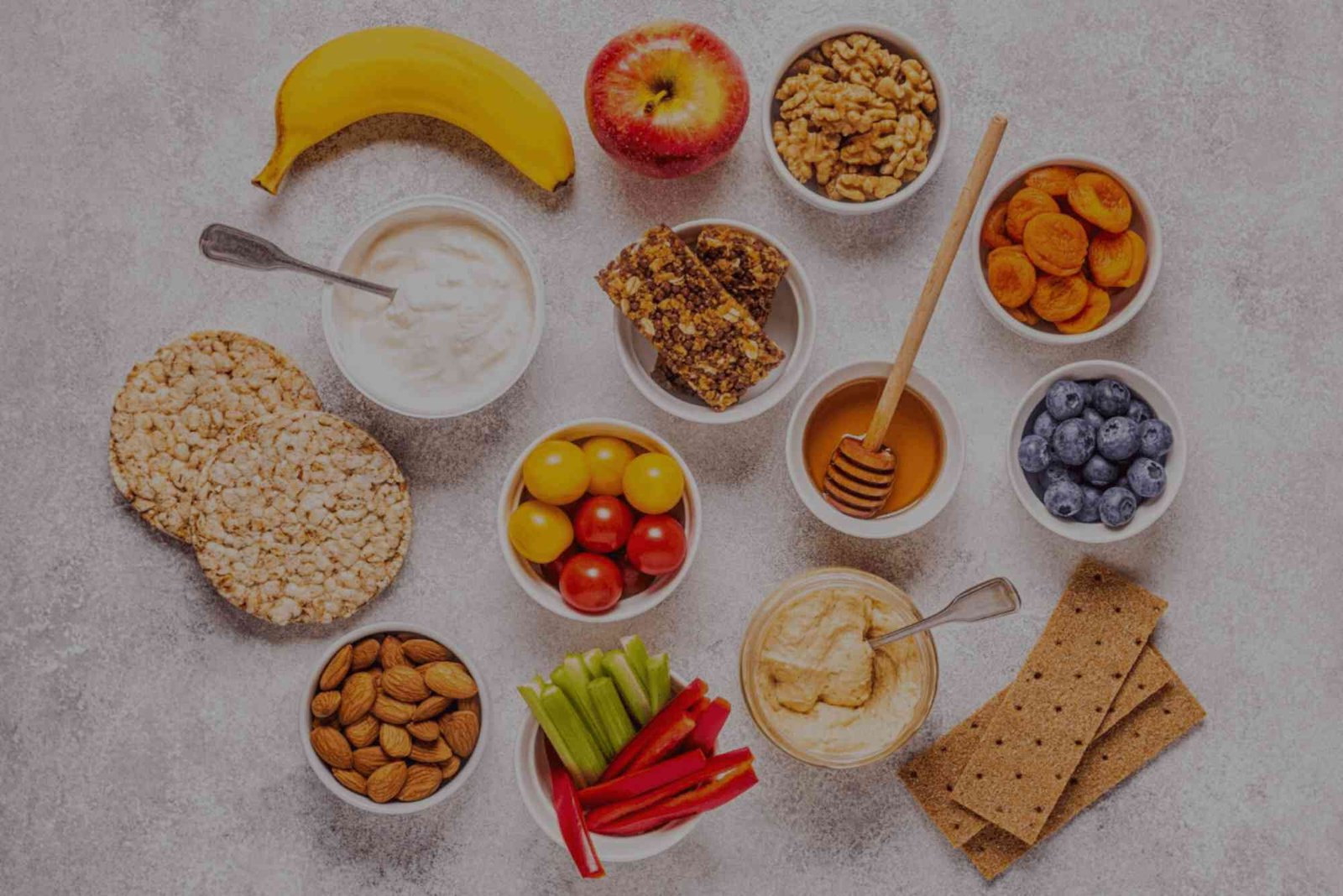
Fresh fruits and vegetables remain among the best choices for health-conscious individuals. They are naturally rich in vitamins, minerals, and antioxidants while being low in calories. Apples, berries, carrots, and cucumbers are convenient options that can be easily carried to work or school. Pairing them with a small serving of nut butter or yogurt adds protein and healthy fat, enhancing satiety and flavor.

Nuts and Seeds
Nuts and seeds are excellent sources of healthy fats, protein, and essential minerals such as magnesium and zinc. Almonds, walnuts, chia seeds, and pumpkin seeds are popular choices. They are highly versatile, easy to store, and require minimal preparation. Consuming a small handful between meals can reduce cravings and improve overall nutrient intake. Roasted or raw, these snacks provide a satisfying crunch and can be incorporated into salads or smoothies for added nutrition.
Yogurt and Kefir
Dairy or plant-based yogurts are another favorite for health-conscious consumers. They provide probiotics, which support gut health, alongside protein and calcium. Greek yogurt, for instance, is thicker and higher in protein than regular yogurt, making it a more filling snack. Adding fresh fruit, a sprinkle of seeds, or a drizzle of honey enhances both taste and nutrient density. Kefir, a fermented milk drink, offers similar benefits and can be consumed as a refreshing beverage snack.
Whole Grain Snacks
Whole grains are a key component of a balanced diet, and snacks made from whole grains offer slow-digesting carbohydrates for sustained energy. Options include whole-grain crackers, popcorn, oatmeal bites, or granola bars made with minimal sugar. These snacks provide fiber, which helps regulate digestion and keeps you feeling fuller for longer. Choosing whole grains over refined options ensures that your snack contributes positively to your daily nutrient intake.
Protein-Packed Snacks
For those seeking to maintain or build muscle, protein-rich snacks are essential. Hard-boiled eggs, cottage cheese, edamame, and lean jerky are convenient choices. Protein helps repair tissues, supports muscle growth, and reduces hunger between meals. Combining protein with fiber or healthy fats creates a balanced snack that promotes lasting energy and improved metabolism.
Smoothies and Energy Balls
Smoothies made from fruits, vegetables, and protein powders provide a nutrient-dense option that is easy to customize. Energy balls, made from dates, nuts, seeds, and sometimes cocoa, are portable and naturally sweetened. Both options allow for the inclusion of superfoods like flaxseed, spirulina, or matcha powder, making them ideal for consumers focused on holistic health. Preparing these snacks at home ensures quality control and avoids added sugars or artificial ingredients.
Hydration-Focused Snacks
Staying hydrated is often overlooked in snacking. Some fruits and vegetables, such as watermelon, cucumber, and oranges, provide both nutrients and water content. Infused water with fresh fruits or herbal teas can also serve as light, hydrating snacks. These options support skin health, aid digestion, and improve overall wellness. Hydration-focused snacks are especially beneficial during hot weather or after exercise, helping replenish lost fluids and electrolytes naturally.
Tips for Choosing Healthy Snacks
Selecting the right snacks involves more than just picking something low in calories. Understanding labels, prioritizing whole foods, and preparing snacks ahead of time can make a significant difference in long-term health outcomes.
Read Labels Carefully
Processed snacks often hide sugar, sodium, and artificial additives. Reading labels allows consumers to make informed choices. Look for items with minimal ingredients, no added sugars, and healthy fats. Understanding nutritional content empowers you to select snacks that align with your dietary goals.
Plan Ahead
Preparing snacks in advance reduces reliance on unhealthy convenience foods. Portioning nuts, cutting vegetables, or assembling snack packs can prevent impulsive decisions driven by hunger. Planning also helps maintain consistency in eating patterns, which supports energy levels and metabolism throughout the day.
Embrace Variety
Rotating snacks ensures a wider intake of nutrients and prevents boredom. Trying new fruits, nuts, or whole-grain options keeps snacking exciting. Additionally, a diverse diet strengthens the immune system, supports gut health, and contributes to long-term wellness.
Balance Indulgence and Nutrition
Health-conscious consumers do not need to eliminate all indulgent treats. Moderation is key. Dark chocolate, roasted chickpeas, or homemade baked goods can satisfy cravings while maintaining a healthy diet. The focus should be on quality and portion rather than strict avoidance.
Choosing the right snacks is a powerful way to support overall health and wellness. By prioritizing nutrient-dense options such as fruits, vegetables, nuts, seeds, yogurt, and whole grains, health-conscious consumers can enjoy satisfying snacks that fuel their bodies and minds. Remember that portion control, label awareness, and variety play crucial roles in maintaining a balanced diet. Integrating these snacks into your daily routine can reduce cravings, boost energy, and contribute to long-term well-being.
Take the next step toward a healthier lifestyle by exploring new snacks, experimenting with recipes, and embracing mindful eating. Your body and mind will thank you for making smarter, more nourishing choices every day.
Frequently Asked Questions
What are the healthiest snacks to eat between meals?
The healthiest snacks are those that combine protein, fiber, and healthy fats, such as nuts, fruits, yogurt, and whole-grain options.
Are dried fruits a good snack for health-conscious people?
Dried fruits can be healthy in moderation. They are nutrient-dense but often high in natural sugars, so portion control is important.
Can snacking help with weight management?
Yes, smart snacking can prevent overeating during meals, stabilize blood sugar, and reduce cravings, supporting weight management goals.
How can I make my snacks more nutritious?
Pair snacks with protein or fiber, choose whole foods over processed options, and avoid added sugars and unhealthy fats to enhance nutrition.
Is it better to snack at home or on the go?
Both can work if you plan ahead. Prepping snacks at home ensures control over ingredients, while portable options like nuts, fruits, or energy balls work for busy schedules.