

Introduction
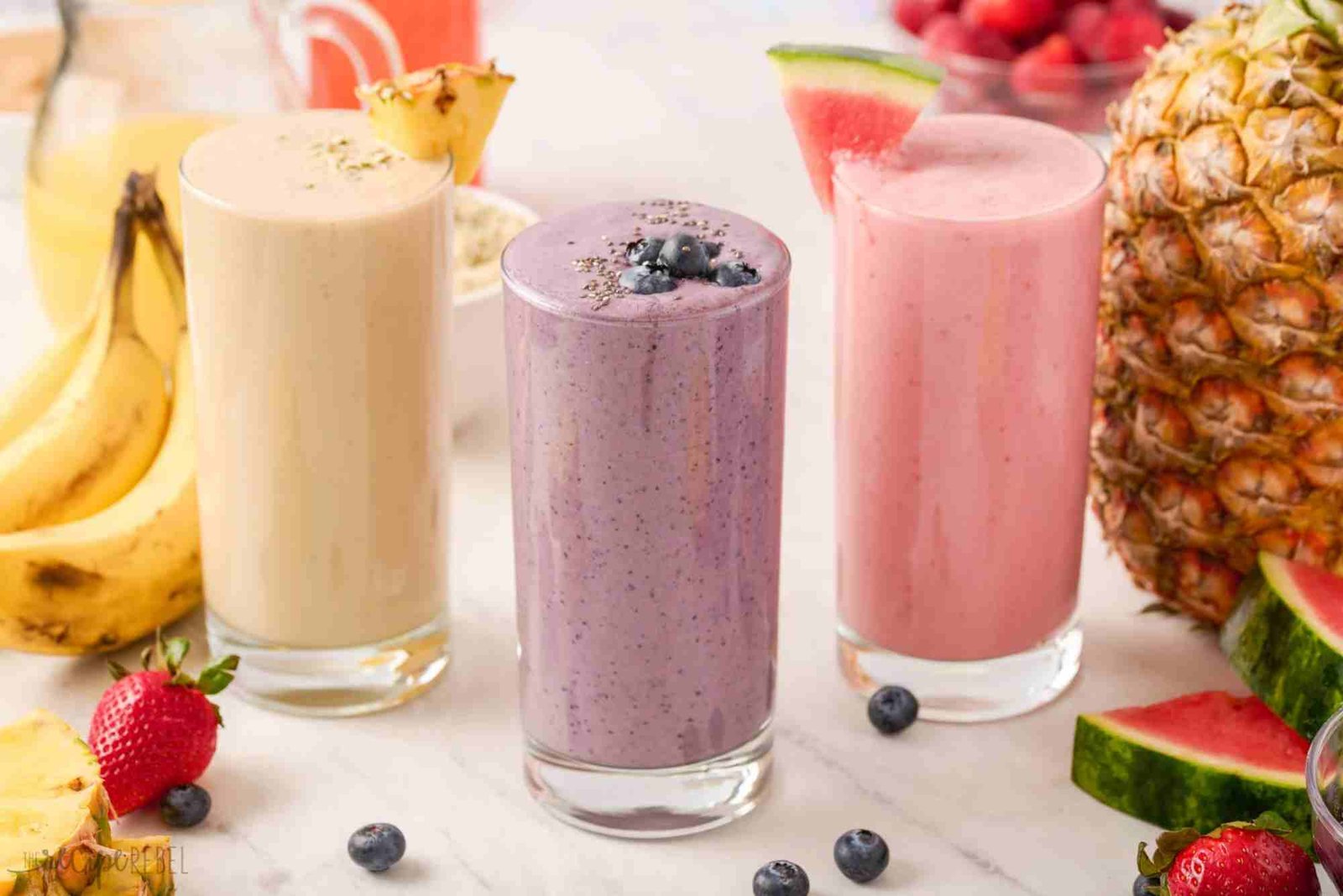
Fresh fruit smoothies are one of the easiest and most delicious ways to enjoy a nutrient-packed snack or meal replacement. Bursting with natural flavors, vitamins, and antioxidants, these smoothies are perfect for breakfast, post-workout recovery, or just a refreshing treat on a hot day. Making a fresh fruit smoothie isn’t just about tossing ingredients in a blender—it’s about balancing flavors, textures, and nutrients to create a drink that’s both healthy and satisfying.
In this guide, we’ll cover everything you need to know to make the perfect fresh fruit smoothies at home, including tips on choosing fruits, liquids, and boosters, along with step-by-step recipes for inspiration.
Why Fresh Fruit Smoothies Are Healthy
Fresh fruit smoothies are packed with essential nutrients that your body needs. Using whole fruits rather than juices helps preserve fiber, which aids digestion and keeps you feeling full longer. Depending on the ingredients you choose, smoothies can provide:
- Vitamins and minerals: Vitamin C from citrus, potassium from bananas, antioxidants from berries.
- Fiber: Helps regulate digestion and stabilizes blood sugar levels.
- Protein (if added): Greek yogurt, protein powder, or nut butter can make smoothies a complete meal.
- Healthy fats: Ingredients like avocado, chia seeds, or flaxseeds support heart health and brain function.
By combining a variety of fruits with complementary ingredients, you can enjoy a nutrient-dense beverage that supports energy, immunity, and overall wellness.
Choosing the Best Fruits for Smoothies
The foundation of any great smoothie is fresh, ripe fruit. Here’s how to choose fruits for different goals:
Sweet and Refreshing
Fruits like mango, pineapple, and strawberries provide natural sweetness and vibrant color. Pair them with mild-tasting fruits like banana or apple for a balanced flavor.

Antioxidant-Rich Choices
Blueberries, blackberries, and raspberries are excellent for smoothies because they’re high in antioxidants and fiber. These fruits also add a rich, deep color that makes smoothies visually appealing.
Creamy and Filling
Bananas and avocados provide a creamy texture without needing dairy. They also help smoothies feel more satisfying and filling.
Seasonal and Local Options
Using seasonal fruits ensures freshness and peak flavor. Local fruits often have more nutrients because they haven’t traveled long distances or been stored for weeks.
Picking the Right Liquid Base
The liquid you use in your smoothie determines its texture and flavor. Here are some popular options:
- Water: Keeps smoothies light and refreshing without added calories.
- Milk or plant-based milk: Almond, oat, or soy milk adds creaminess and subtle flavor.
- Coconut water: Adds natural electrolytes and a tropical flavor.
- Juice: Can boost sweetness, but be mindful of sugar content.
A good rule of thumb is to start with about ½ to 1 cup of liquid per 1–2 cups of fruit and adjust based on your preferred thickness.
Adding Boosters and Enhancements
To make your smoothie even healthier, you can add boosters:
- Protein: Greek yogurt, protein powder, or silken tofu.
- Fiber: Chia seeds, flaxseeds, or oats.
- Healthy fats: Nut butter, avocado, or coconut oil.
- Flavor enhancers: Cinnamon, ginger, vanilla extract, or mint.
- Superfoods: Spirulina, matcha, or cacao powder for an extra nutrient punch.
These additions can transform a simple fruit smoothie into a meal replacement or performance drink.
Guide to Making a Fresh Fruit Smoothie
Making a smoothie is simple if you follow these steps:
Prepare Your Ingredients
Wash, peel, and chop your fruits into manageable pieces. If using frozen fruit, measure it out in advance.
Choose Your Liquid Base
Pour your selected liquid into the blender first. This helps the blades move smoothly and prevents sticking.
Add Fruits and Boosters
Add fruits, leafy greens (if desired), protein, seeds, or any other boosters. Layering ingredients properly ensures even blending.
Blend Until Smooth
Start at a low speed and gradually increase to high. Blend for 30–60 seconds until the mixture is creamy and lump-free.
Taste and Adjust
Taste your smoothie and adjust sweetness or thickness. Add honey, agave, or more liquid if needed.
Serve Immediately
Smoothies are best enjoyed fresh to preserve nutrients and flavor. Pour into a chilled glass or mason jar and enjoy.
Delicious Fresh Fruit Smoothie Recipes
Classic Berry Banana Smoothie
Ingredients:
- 1 banana
- ½ cup strawberries
- ½ cup blueberries
- 1 cup almond milk
- 1 tsp chia seeds
Instructions: Blend all ingredients until smooth. Serve immediately.
Tropical Mango Pineapple Smoothie
Ingredients:
- 1 cup mango chunks
- ½ cup pineapple chunks
- ½ banana
- 1 cup coconut water
- 1 tsp flaxseeds
Instructions: Blend until creamy. Add ice for extra chill.
Green Detox Smoothie
Ingredients:
- 1 cup spinach
- 1 green apple
- ½ cucumber
- 1 banana
- 1 cup water or coconut water
Instructions: Blend all ingredients until smooth. Optional: add a squeeze of lemon for freshness.
Creamy Avocado Berry Smoothie
Ingredients:
- ½ avocado
- ½ cup blueberries
- ½ banana
- 1 cup oat milk
- 1 tsp honey
Instructions: Blend until creamy. Garnish with a few berries on top.
Tips for Perfect Smoothies Every Time
- Use frozen fruits for thickness: Frozen fruits reduce the need for ice and keep smoothies cold.
- Balance flavors: Mix sweet, tart, and creamy fruits for depth of taste.
- Add greens gradually: Spinach and kale blend well but have strong flavors; start with small amounts.
- Clean your blender immediately: Smoothie ingredients can stick and stain if left too long.
FAQs
Can I make smoothies ahead of time?
Yes, but it’s best to store in an airtight container in the fridge for up to 24 hours. Some separation may occur, so shake before drinking.
How can I make smoothies less sweet?
Reduce high-sugar fruits and add vegetables like cucumber, spinach, or zucchini to balance sweetness.
Can I use frozen fruits instead of fresh?
Absolutely! Frozen fruits make smoothies thick and refreshing, and they’re often more convenient.
What’s the best way to add protein?
Greek yogurt, protein powders, or nut butters are excellent options for adding protein without affecting flavor too much.
Can I add greens without changing the taste?
Yes, start with mild-tasting greens like spinach and combine with sweeter fruits to mask the flavor.