
Introduction
Engine overheating is one of the most common and serious issues car owners face. It can lead to severe engine damage, expensive repairs, and even leave you stranded on the road. Understanding the top causes of engine overheating is essential for any vehicle owner who wants to maintain optimal performance and longevity. In this article, we explore the factors that contribute to engine overheating, how to identify them, and practical steps to prevent damage.
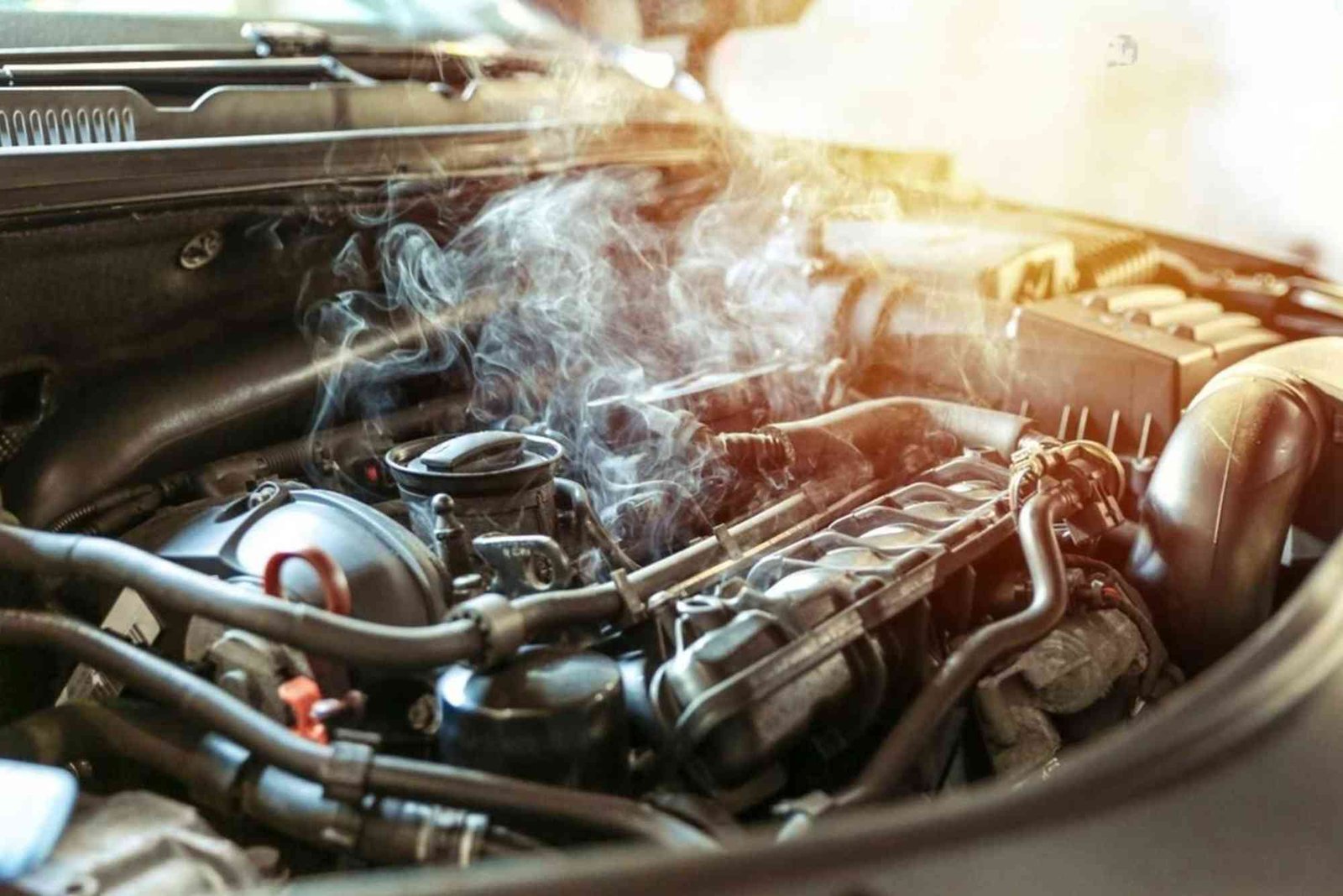
Engine overheating occurs when the cooling system fails to maintain the engine at its normal operating temperature. The engine generates immense heat during combustion, and without proper cooling, the internal components expand, warp, or even crack. The symptoms of overheating can vary from the engine temperature gauge rising, steam coming from the hood, unusual smells, to reduced performance. While occasional temperature spikes are normal in heavy traffic, persistent overheating signals a problem that needs immediate attention.
Cooling System Malfunctions
The cooling system is the heart of temperature regulation in your vehicle. It consists of the radiator, water pump, thermostat, hoses, and coolant. Any malfunction within this system can cause overheating. A leaking radiator or worn hoses reduce the circulation of coolant. Similarly, a faulty water pump fails to push coolant through the engine efficiently, leaving hot spots in critical areas. The thermostat, which regulates the flow of coolant, can also stick closed, preventing coolant from reaching the radiator. Regular inspections of these components are vital, as neglect can escalate minor issues into serious engine damage.
Low or Contaminated Coolant
Coolant, also known as antifreeze, plays a vital role in maintaining engine temperature. Low coolant levels often result from leaks in hoses, the radiator, or the water pump. Even minor leaks can lower the system’s capacity to transfer heat effectively. Contaminated or old coolant can lose its protective properties, reduce heat transfer efficiency, and contribute to corrosion within the engine and radiator. Car owners should monitor coolant levels regularly and flush the system according to the manufacturer’s recommendations. Using the correct type of coolant for your vehicle is equally important.
Faulty Radiator
The radiator dissipates heat from the coolant to the air. Over time, the radiator can become clogged with dirt, debris, or internal deposits that restrict airflow and fluid movement. Corrosion inside the radiator also reduces its efficiency. A damaged radiator may leak or fail to cool the engine properly, leading to rapid temperature increases. Maintaining the radiator by periodic flushing, cleaning, and inspection for damage can prevent overheating and extend the life of your engine.
Broken or Weak Water Pump
The water pump circulates coolant throughout the engine and radiator. A malfunctioning water pump can result from worn bearings, a broken impeller, or leaks in the seals. When the water pump fails, coolant cannot circulate, leaving the engine temperature unchecked. Early signs of a failing water pump include unusual noises, steam from the engine, and low coolant levels despite regular top-ups. Timely replacement of a faulty water pump is essential to prevent catastrophic engine damage.

Malfunctioning Thermostat
The thermostat controls the flow of coolant between the engine and radiator. When the thermostat sticks closed, it traps hot coolant inside the engine, causing overheating. Conversely, a stuck-open thermostat can prevent the engine from reaching the proper operating temperature, reducing efficiency and increasing wear. Symptoms of a faulty thermostat include fluctuating temperature gauge readings, poor heater performance, and occasional overheating in stop-and-go traffic. Replacing a defective thermostat is a relatively simple and cost-effective solution.
Engine Oil Issues
Engine oil lubricates moving parts and helps dissipate heat. Low oil levels or degraded oil can increase friction, causing the engine to heat up faster. Over time, old oil loses its viscosity and heat-transfer properties, which can accelerate engine wear. Checking oil levels regularly and adhering to oil change intervals are critical steps in preventing overheating. Using high-quality, manufacturer-recommended oil ensures optimal cooling and lubrication.
Clogged or Damaged Radiator Fan
The radiator fan draws air through the radiator to remove heat from the coolant. Electric fans rely on sensors to activate, while mechanical fans depend on the engine’s movement. A broken fan motor, damaged blades, or faulty temperature sensors can prevent the fan from operating when needed, especially in slow traffic or idling conditions. If the engine overheats only when the car is stationary or in heavy traffic, a malfunctioning fan is often the culprit. Timely repair or replacement of the fan and related components keeps your engine running cool.
Head Gasket Failure
A blown head gasket can cause severe engine overheating. The head gasket seals the engine block and cylinder head, preventing coolant and combustion gases from mixing. A failure allows coolant to leak into the combustion chamber or oil system, resulting in overheating, white smoke from the exhaust, and oil contamination. This issue requires immediate attention, as driving with a blown head gasket can lead to extensive engine damage.
External Factors and Driving Conditions
External conditions can also contribute to engine overheating. Driving in heavy traffic, steep inclines, or extremely hot weather increases the demand on the cooling system. Towing heavy loads or overloading the vehicle can strain the engine and reduce airflow through the radiator. While these conditions are temporary, repeated exposure without proper maintenance can exacerbate underlying problems and lead to chronic overheating. Regular maintenance and cautious driving in extreme conditions help protect your engine.
Signs Your Engine is Overheating
Recognizing the signs of an overheating engine early can prevent severe damage. Key indicators include a rising temperature gauge, warning lights on the dashboard, steam or smoke from under the hood, and unusual engine noises. Drivers may also notice reduced power, strange smells, or coolant leaks. Responding immediately by stopping the car, turning off the engine, and allowing it to cool is critical. Attempting to drive an overheated engine can warp the cylinder head, damage pistons, or even result in complete engine failure.
Preventive Measures
Prevention is always better than repair. Regular inspections of the cooling system, timely coolant flushes, and monitoring fluid levels are essential. Ensure that the radiator, hoses, water pump, and thermostat are in good condition. Use high-quality oil and change it at recommended intervals. Avoid overloading your vehicle, and consider driving adjustments in hot weather or congested traffic. By staying proactive, car owners can significantly reduce the risk of engine overheating and prolong the life of their vehicle.
Engine overheating is a serious concern that can result from a range of issues, from cooling system malfunctions to external driving conditions. Identifying the top causes of engine overheating and addressing them promptly protects your vehicle and prevents costly repairs. Regular maintenance, attention to fluid levels, and immediate response to warning signs are key strategies every car owner should adopt. Understanding how your engine works and recognizing early symptoms of overheating can save both time and money while ensuring safe driving.
If you notice your engine running hotter than usual, don’t wait. Schedule a professional inspection immediately to prevent further damage. Keeping your engine cool is not just about comfort—it’s about preserving the heart of your vehicle.
Looking for a reliable family car that keeps your loved ones safe? Our guide to Top Family Cars with Great Safety Ratings highlights vehicles that combine comfort, performance, and top-notch safety features. From advanced airbags to collision avoidance systems, these cars ensure peace of mind on every journey. Explore the best options to make safety your family’s priority and enjoy worry-free drives. Check them out here:
FAQ
Why is my engine overheating quickly?
Rapid overheating often indicates a cooling system failure, low coolant, or a stuck thermostat. Check these components immediately.
Can low oil cause engine overheating?
Yes, low or degraded engine oil increases friction and reduces heat transfer, contributing to overheating.
How can I prevent my engine from overheating in hot weather?
Ensure the cooling system is in top condition, monitor coolant levels, and avoid heavy loads during extreme heat.
Is it safe to drive with an overheating engine?
No, driving with an overheated engine can cause serious damage. Stop, turn off the engine, and let it cool.
How do I know if my radiator fan is working properly?
Watch the temperature gauge and listen for the fan when the engine is hot or idling. Malfunctioning fans often trigger overheating only in traffic.