

Introduction
Teaching kids to brush their teeth naturally is more than a simple routine; it’s a foundation for lifelong oral health. Children are naturally curious, and instilling proper dental habits early sets the stage for stronger teeth and gums as they grow. Parents often face challenges when trying to make toothbrushing enjoyable and effective, but with gentle techniques, consistency, and a natural approach, kids can develop healthy habits without stress. Understanding how children learn and respond to routines is key to making this experience positive and effective.
Understanding Natural Toothbrushing
Natural toothbrushing emphasizes gentle, effective cleaning without harsh chemicals or overwhelming routines. It focuses on using age-appropriate brushes, safe toothpaste, and techniques that promote mindfulness and awareness of oral hygiene. This approach encourages children to listen to their bodies and understand the importance of dental care, rather than following instructions mechanically. When children brush naturally, they gain confidence and autonomy over their own oral health, which is crucial for long-term habit formation.
Choosing the Right Tools
Selecting the right tools is a foundational step in teaching kids to brush their teeth naturally. A toothbrush with soft bristles and a size appropriate for small hands makes brushing comfortable and safe. Toothpaste should be gentle, ideally free from artificial colors or strong flavors, to avoid overwhelming young senses. Natural options like fluoride-free pastes or herbal-based formulas can be an effective choice while ensuring teeth remain strong. By offering the right tools, parents create a positive association with brushing, making the experience more enjoyable and less of a chore.
Creating a Positive Routine
Children thrive on routines, and establishing a consistent toothbrushing schedule helps make natural oral care a habit. Morning and bedtime sessions should be approached as interactive experiences rather than obligations. Encouraging children to watch themselves in a mirror and guiding their hand movements gently helps them develop proper technique. Using songs, stories, or playful elements can turn brushing into a fun ritual. Over time, these routines embed oral hygiene into daily life, making kids more likely to brush willingly without prompting.
Demonstrating Proper Technique
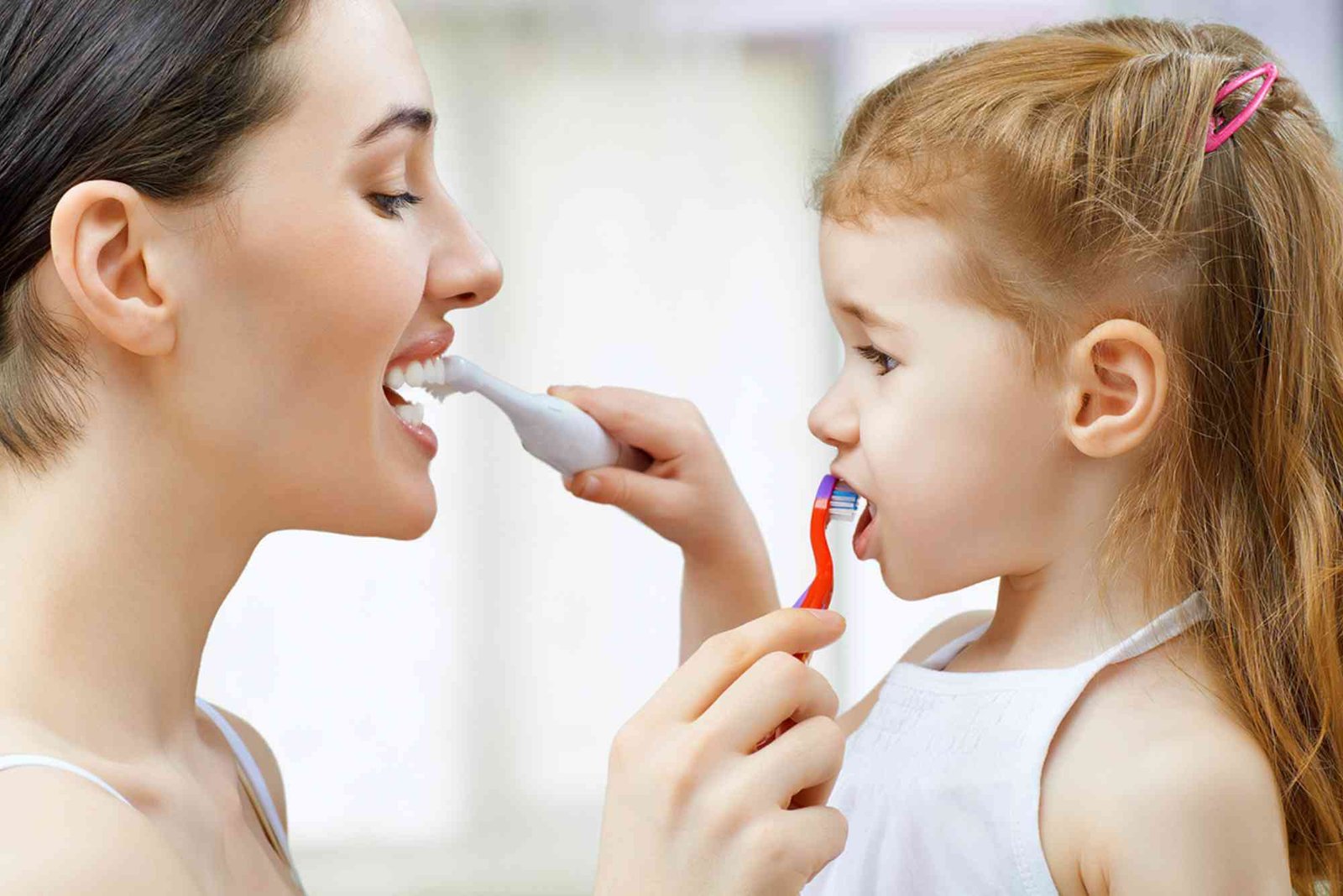
Teaching kids to brush naturally requires hands-on demonstration. Parents should show circular motions and gentle strokes along the gumline, explaining why each step is important. Demonstrating first, then guiding their hand, reinforces muscle memory and helps them internalize correct movements. For toddlers, two minutes may seem long, but breaking it into manageable segments keeps them engaged. By modeling the behavior, parents instill confidence in children, ensuring they understand that toothbrushing is an act of self-care rather than a chore.
Encouraging Mindfulness in Oral Care
Mindfulness can transform toothbrushing from a mechanical routine to a meaningful practice. Asking children to notice the taste, texture, and sensation of brushing helps them stay present during the activity. This awareness encourages them to focus on all areas of the mouth, rather than rushing through. Mindful brushing also helps children connect their habits with overall health, teaching them that oral care is a vital part of wellbeing. Over time, mindfulness enhances their ability to take responsibility for their dental hygiene naturally.

Handling Resistance and Challenges
Resistance is common when teaching kids to brush their teeth naturally. They may complain about taste, feel, or time. Addressing these challenges with empathy and creativity is essential. Offering choices, such as selecting a toothbrush or toothpaste, empowers them and reduces pushback. Parents can turn brushing into a playful challenge or pair it with storytelling to maintain engagement. Avoiding force or pressure ensures that children develop a positive relationship with oral care, increasing the likelihood that natural brushing habits stick long-term.
The Role of Nutrition and Lifestyle
Oral health is closely connected to diet and lifestyle. Teaching kids to brush naturally works best alongside balanced nutrition, limited sugary snacks, and regular water intake. Foods rich in calcium, like dairy or fortified plant-based alternatives, support strong teeth. Crunchy fruits and vegetables stimulate gums and provide natural cleaning action. Encouraging children to understand the connection between what they eat and their dental health reinforces the purpose of brushing, making the habit feel relevant and rewarding rather than a mere routine.
Making Toothbrushing Educational
Toothbrushing can also be an opportunity for education. Parents can teach kids about germs, enamel, and the importance of clean teeth in simple, relatable terms. Interactive games, like counting teeth or checking for plaque in front of a mirror, make learning fun and memorable. By linking natural toothbrushing with knowledge, children develop curiosity about their health and feel a sense of achievement when they master the steps. Educational engagement transforms brushing from a task into an empowering experience.
Encouraging Long-Term Habits
Consistency is key to maintaining natural brushing habits. Reinforcing techniques, celebrating milestones, and gradually increasing autonomy helps children take ownership of their oral health. As kids grow, letting them manage their own brushing while providing supervision ensures they refine their technique and develop responsibility. Positive reinforcement, rather than punishment, builds confidence and fosters long-lasting habits. By integrating natural brushing into daily life, children internalize the value of caring for their teeth for years to come.
Benefits of Natural Toothbrushing
Teaching kids to brush naturally offers multiple benefits. It reduces exposure to harsh chemicals, protects sensitive gums, and encourages a mindful, responsible approach to oral hygiene. Children gain independence, confidence, and an understanding of health that extends beyond dental care. Families often notice fewer cavities, healthier smiles, and a calmer daily routine. Natural brushing also sets the stage for informed choices about dental products and practices as children grow, creating a strong foundation for lifelong oral health.
Teaching kids to brush their teeth naturally is an investment in their long-term wellbeing. By combining gentle techniques, positive routines, proper tools, and mindful engagement, parents can cultivate habits that last a lifetime. Start today by making brushing enjoyable, educational, and empowering. Witness the transformation as children embrace their smiles and develop confidence in self-care. For those seeking more resources on establishing healthy oral habits, explore Teaching Kids to Brush Their Teeth Naturally or read a Related Blog article. For professional insights on dental care, visit More details.
FAQ
How do I teach my toddler to brush their teeth naturally?
Start with gentle demonstrations, use age-appropriate brushes, and encourage them to mimic your actions. Make brushing playful and consistent to build a routine.
What toothpaste is safe for kids?
Choose natural or fluoride-free toothpaste suitable for their age. Avoid strong flavors or artificial colors that may deter brushing.
How long should kids brush their teeth?
Children should brush for about two minutes twice daily. Breaking it into small segments with fun guidance can keep them engaged.
What if my child refuses to brush?
Offer choices, make brushing interactive, and use positive reinforcement rather than force. Turning brushing into a game helps reduce resistance.
Can diet affect oral health?
Yes, balanced nutrition, limited sugary snacks, and water intake complement brushing habits and promote strong teeth.