
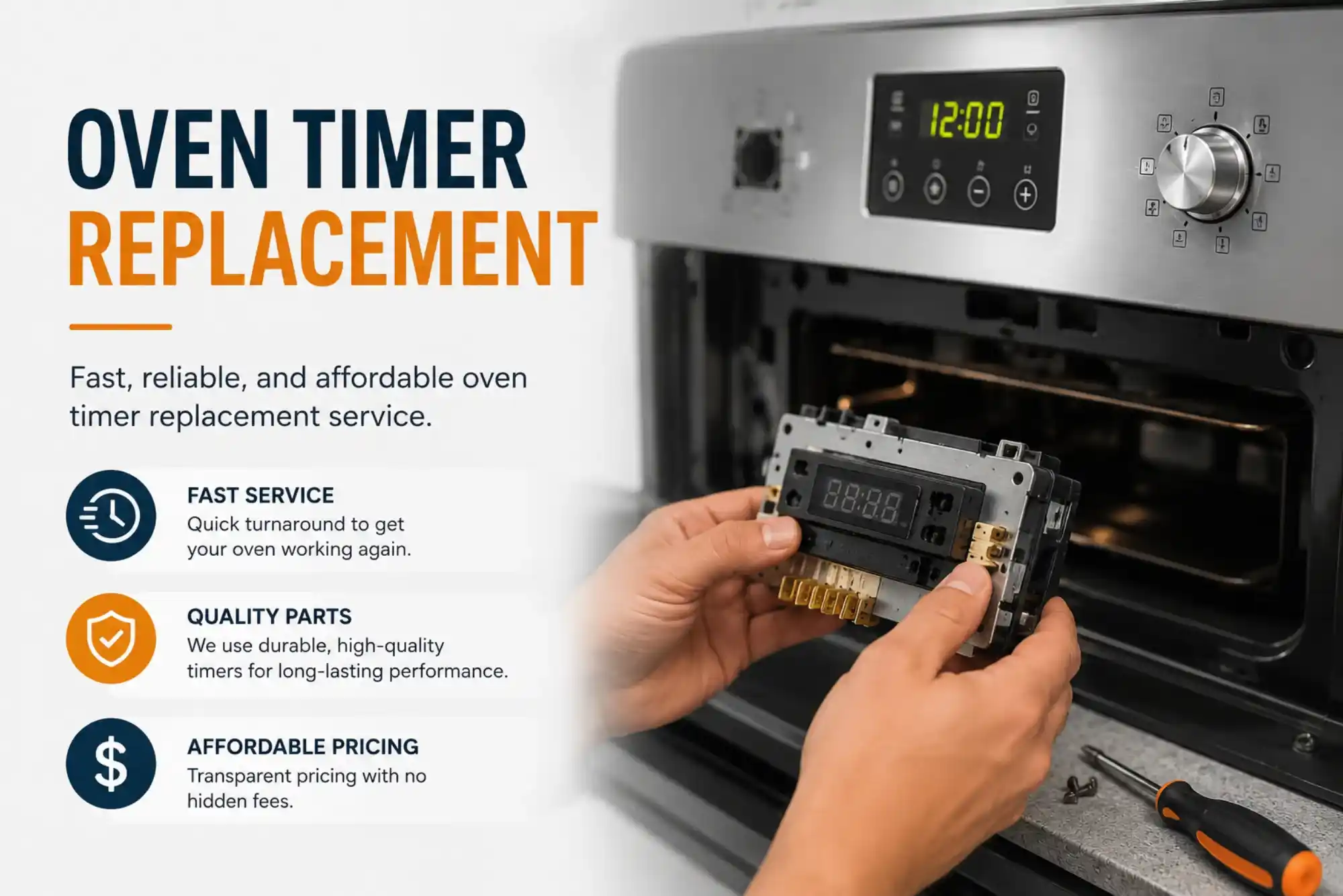
Oven timer replacement is one of those repair needs that often starts with small signs—an unresponsive display, inconsistent timing, or a complete failure to shut off. While it may seem like a minor fault, the timer plays a central role in regulating heat cycles and ensuring accurate cooking durations. Ignoring it can quickly escalate into larger electrical or control board problems.
Across fast-paced cities like Dubai, where home cooking is balanced with busy schedules, appliance reliability is essential. That is why understanding how oven timers fail and when to replace them is becoming increasingly important for homeowners who depend on efficient kitchen systems.
The Hidden Role of an Oven Timer in Modern Cooking
The oven timer is more than a countdown mechanism. In many modern ovens, it is integrated into the electronic control system, communicating directly with heating elements, thermostats, and safety shut-off functions. This makes it a central command unit rather than just a convenience feature.
When functioning correctly, it ensures precise cooking cycles. When faulty, it can lead to uneven heating, overcooked meals, or in worst cases, ovens that fail to switch off automatically. This is why technicians often treat timer issues as part of broader control system diagnostics rather than isolated faults.
In many cases, homeowners first notice irregularities before the timer completely fails. These early signals are crucial for preventing further damage.

Common Reasons Oven Timers Fail
Oven timers can fail due to a combination of mechanical wear, electrical stress, and environmental conditions. Over time, heat exposure inside the appliance affects delicate internal circuits and components.
One of the most common causes is power fluctuation. Sudden voltage changes can damage the timer’s electronic board, especially in regions where power loads vary throughout the day. Another frequent issue is moisture or grease buildup, which slowly impacts internal connections and leads to erratic performance.
Mechanical ovens with dial-based timers experience wear and tear in gears and springs, while digital systems suffer from circuit degradation. In both cases, the result is the same: inaccurate timing or complete failure.
Warning Signs You Need Oven Timer Replacement
Recognizing early symptoms can help prevent larger repair costs later. While some issues may seem minor at first, they often point directly to timer malfunction.
- The oven does not start or stop at the correct time
- Digital display flickers or becomes unresponsive
- Timer resets randomly during cooking
- Oven continues heating after the cycle ends
- Unusual clicking or buzzing sounds from the control panel
These signs indicate that the internal timing mechanism is no longer functioning properly and may require immediate attention from a technician.
DIY Fix or Professional Oven Timer Replacement?
While some homeowners consider repairing appliances themselves, oven timer replacement is not always a safe DIY task. Modern ovens contain sensitive electronic circuits and high-voltage components that require technical expertise to handle safely.
Attempting to replace a timer without proper knowledge can lead to further damage or even electrical hazards. In contrast, professional technicians not only replace the faulty component but also inspect connected systems to ensure there are no underlying issues.
For instance, services like oven repair and replacement solutions are designed to handle both simple and complex oven faults, ensuring long-term reliability rather than temporary fixes.
How Professionals Handle Oven Timer Replacement
In a professional repair setting, oven timer replacement follows a structured diagnostic process. Technicians begin by testing electrical continuity and control board responsiveness. If the timer is confirmed faulty, it is carefully removed and replaced with a compatible unit.
After installation, calibration is performed to ensure accurate time settings and synchronization with heating cycles. This step is critical because even a slight mismatch can affect cooking performance.
Many repair specialists also inspect related components such as thermostats and wiring harnesses to ensure the fault does not reappear. This holistic approach reduces repeat breakdowns and improves appliance lifespan.
For homeowners seeking expert assistance, professional oven repair services provide reliable diagnostics and replacement solutions tailored to different oven models.
Why Timely Replacement Matters More Than You Think
Delaying oven timer replacement can lead to more than just cooking inconvenience. A malfunctioning timer can cause overheating, excessive energy consumption, and strain on internal components. Over time, this increases repair costs significantly.
In some cases, faulty timers can also interfere with safety shut-off mechanisms, posing potential risks in household environments. According to the U.S. Department of Energy, maintaining properly functioning appliances contributes to safer and more energy-efficient home operations.
Timely repair not only restores functionality but also ensures your kitchen remains safe and efficient.
Maintenance Tips to Extend Oven Timer Life
While oven timers will eventually wear out, proper care can extend their lifespan significantly. Simple maintenance habits can reduce stress on internal components and improve long-term performance.
Keeping the oven clean, avoiding excessive heat cycles, and ensuring stable electrical connections are key practices. It is also advisable to avoid slamming oven doors, as vibrations can affect internal wiring over time.
Routine servicing through trusted providers like professional oven maintenance specialists can also help detect early faults before they become serious issues.
Oven Timer Issues in Dubai Homes: A Growing Concern
In rapidly growing urban areas such as Dubai, household appliances are used intensively due to busy lifestyles and high dependency on home cooking or baking. This increases the likelihood of wear-related issues in ovens, especially timers and control systems.
Dust, humidity, and frequent voltage fluctuations can accelerate component degradation. As a result, oven timer replacement has become one of the more common appliance repair needs in residential areas.
Local repair services are increasingly focusing on fast diagnostics and same-day solutions to meet demand and minimize disruption in daily routines.
Professional Repair vs Replacement Decision
Not every timer issue requires full replacement. In some cases, repair of circuit connections or cleaning of internal components may restore functionality. However, when damage is extensive or recurring, replacement becomes the more reliable solution.
A qualified technician can assess whether repair or replacement is more cost-effective based on the oven’s age, model, and condition. This ensures homeowners make informed decisions rather than temporary fixes that may fail again.
Conclusion
Oven timer replacement may seem like a small technical issue, but its impact on daily cooking routines is significant. From food quality to appliance safety, the timer plays a central role in maintaining control and precision in the kitchen.
Addressing early warning signs, choosing professional repair services, and maintaining regular appliance care can significantly extend oven life and prevent costly breakdowns. In a world where time and efficiency matter more than ever, ensuring your oven timer works flawlessly is not just a convenience—it is a necessity.
Frequently Asked Questions (FAQs)
1. What causes an oven timer to stop working?
Power fluctuations, worn-out components, and moisture damage are the most common causes of timer failure.
2. Can I continue using my oven if the timer is broken?
It is not recommended, as it may affect cooking accuracy and safety features.
3. How long does oven timer replacement take?
In most cases, professional replacement can be completed within a single service visit.
4. Is oven timer replacement expensive?
Costs vary depending on model and damage, but timely repair usually prevents more expensive issues later.
5. Who should I contact for oven repair?
Certified appliance technicians or trusted local repair services are the safest option for handling timer issues.
Related Reading: 5 Relocation Tips Only Experienced Movers in Palm Jumeirah Will Share
Related Reading: Dishwasher Spray Arm Replacement
Related Reading: Smart AC Systems And Suppliers in UAE — full guide