Introduction
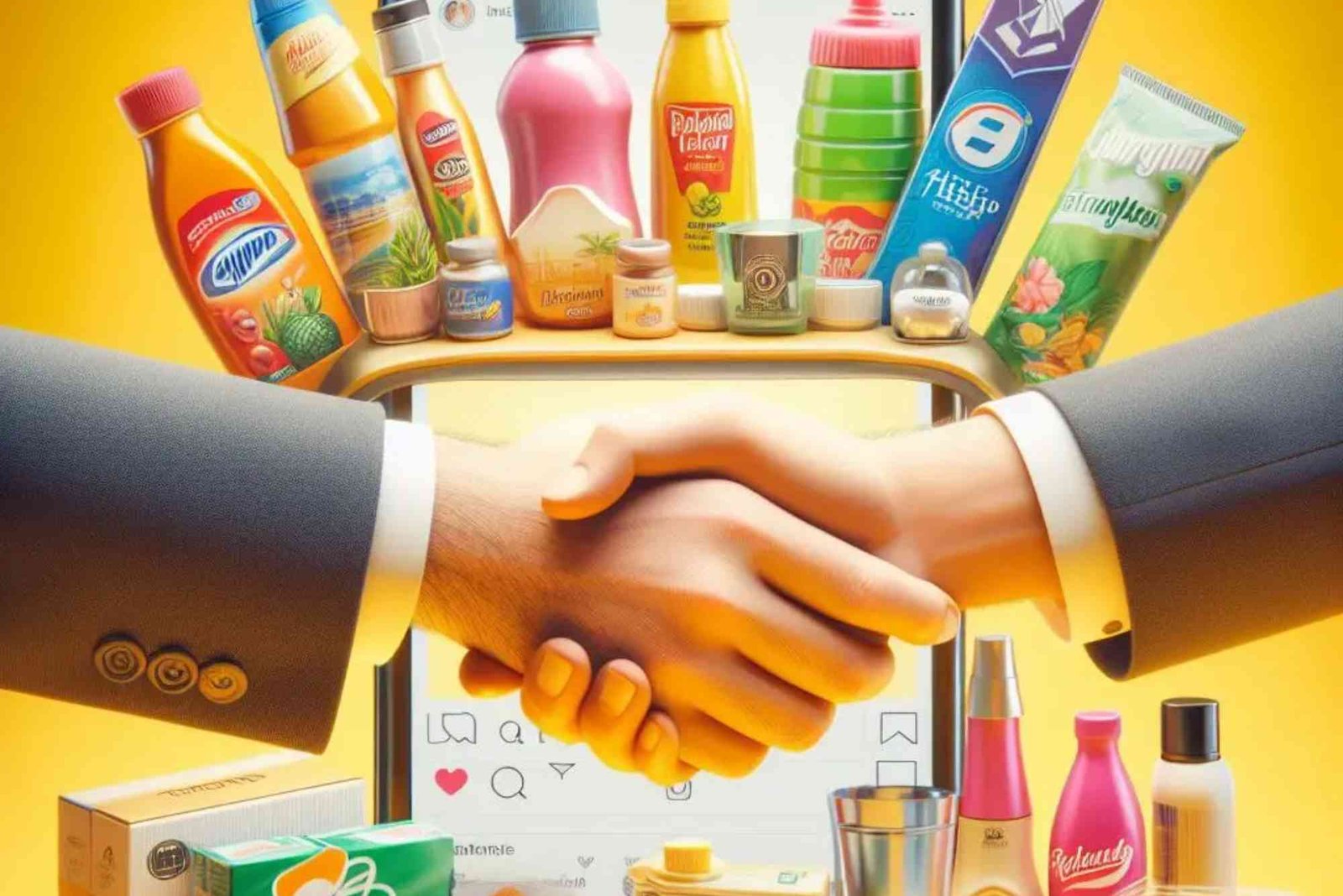
In today’s fast-paced digital world, Fast-Moving Consumer Goods (FMCG) brands face a constant challenge: staying relevant in a saturated market. Traditional advertising methods often struggle to capture consumer attention, especially among younger audiences who spend significant time on social media. This is where influencer marketing has emerged as a powerful strategy. Influencers, with their trusted voices and engaged audiences, allow FMCG brands to reach consumers authentically. Understanding how FMCG brands use influencer marketing can help businesses craft campaigns that resonate, convert, and drive long-term brand loyalty.
The Rise of Influencer Marketing in FMCG
Influencer marketing is no longer just a trend; it is a core part of many FMCG brand strategies. With billions of active users on platforms like Instagram, TikTok, YouTube, and emerging social networks, influencers act as bridges between brands and consumers. Unlike traditional ads, influencer promotions feel organic and trustworthy. Consumers often perceive influencer recommendations as personal advice rather than direct marketing, which makes them more likely to engage and purchase.
FMCG brands, which rely on frequent consumer purchases, benefit greatly from this approach. Products in categories like personal care, food and beverages, and household essentials gain visibility quickly through authentic influencer content. By collaborating with influencers whose values align with the brand, FMCG companies can create campaigns that feel genuine and encourage trial and repeat purchases.
Why Influencer Marketing Works for FMCG Brands
The success of influencer marketing in the FMCG sector can be attributed to several factors. First, influencers provide access to highly targeted audiences. FMCG brands can select influencers based on demographics, interests, and geographic locations, ensuring the message reaches potential buyers. Second, influencer content often drives higher engagement rates than traditional advertisements. Social media posts with compelling visuals and relatable storytelling encourage likes, shares, and comments, increasing brand visibility. Third, influencers can humanize products. When a trusted personality demonstrates the use of a snack, beverage, or personal care item, consumers feel more confident trying it themselves.
Moreover, influencer campaigns are measurable. FMCG brands can track impressions, engagement, website traffic, and even conversions. This data-driven approach allows brands to optimize campaigns in real time, maximizing ROI. By combining creative storytelling with analytics, FMCG brands can ensure their influencer collaborations not only reach audiences but also drive meaningful results.
Strategies FMCG Brands Use with Influencers
FMCG brands use influencer marketing through multiple strategies, carefully designed to resonate with their target consumers.
Collaborative Product Launches
Many FMCG brands collaborate with influencers during new product launches. Influencers can provide sneak peeks, reviews, or unboxing videos that create excitement and anticipation among followers. This strategy not only boosts awareness but also positions the product as trendy and desirable.
Authentic Storytelling
Instead of promoting products directly, influencers often share personal stories or lifestyle content that incorporates the brand naturally. This approach works exceptionally well for FMCG products like skincare or beverages, where usage context matters. By integrating the product into relatable experiences, influencers make the promotion feel genuine rather than forced.
Challenges and User-Generated Content
Social media challenges and campaigns encouraging user participation are popular tactics. FMCG brands often collaborate with influencers to initiate challenges, prompting followers to share their own content using the product. This strategy increases engagement while generating organic content, amplifying brand reach beyond the influencer’s immediate audience.
Reviews and Tutorials
Influencers can also create detailed product reviews or tutorials that educate consumers about the product’s benefits. FMCG brands selling household items, snacks, or personal care products benefit from influencer content that demonstrates practical use, solves common problems, or highlights unique features. This type of content builds trust and can influence purchase decisions directly.
Seasonal and Trend-Based Campaigns
FMCG brands often tie influencer campaigns to seasons, festivals, or trending topics. By leveraging an influencer’s timely content, brands can capitalize on cultural moments and ensure their products stay relevant in fast-moving markets.
Measuring the Effectiveness of Influencer Marketing in FMCG
Understanding how FMCG brands use influencer marketing requires looking at how success is measured. Traditional advertising often relies on impressions and reach, but influencer campaigns demand deeper insights. Engagement metrics such as likes, shares, and comments provide immediate feedback on audience interest. Click-through rates and conversion tracking show whether the influencer’s promotion translates into actual sales.
FMCG brands also focus on brand sentiment analysis. Influencer campaigns can shape public perception, so tracking mentions, hashtags, and online discussions helps gauge consumer response. Long-term brand loyalty can also be measured through repeat purchases and social media retention, which are particularly important for FMCG products that rely on frequent use.
Challenges FMCG Brands Face in Influencer Marketing
While influencer marketing offers many benefits, FMCG brands must navigate certain challenges to succeed. One major challenge is authenticity. Consumers are quick to detect forced promotions, and influencers whose values don’t align with the brand may create negative impressions. Another challenge is saturation. The increasing number of influencer campaigns can make it difficult for brands to stand out. FMCG companies must carefully select influencers who can truly resonate with their audience.
Additionally, regulatory compliance is essential. Influencers must disclose paid partnerships according to advertising standards. FMCG brands need to ensure that campaigns adhere to these regulations to maintain credibility and avoid legal repercussions. Finally, measuring ROI can be complex. While engagement metrics are straightforward, linking influencer campaigns directly to sales requires careful tracking and sometimes advanced analytics.
Case Studies of Successful FMCG Influencer Campaigns
Several FMCG brands have leveraged influencer marketing effectively, providing valuable lessons for marketers. A global beverage brand collaborated with lifestyle influencers to promote a new flavored drink, creating a viral challenge that encouraged followers to share their experiences. Engagement skyrocketed, and social media buzz translated into significant sales growth.
Similarly, a personal care brand partnered with beauty influencers to launch a skincare line. The influencers shared tutorials and honest reviews, highlighting product benefits while integrating the brand naturally into their content. This approach not only increased brand awareness but also boosted consumer trust and repeat purchases.
These examples demonstrate that when FMCG brands carefully choose influencers and craft authentic campaigns, the results can be substantial, both in visibility and revenue.
The Future of Influencer Marketing for FMCG Brands
As technology evolves, influencer marketing for FMCG brands will become even more sophisticated. Artificial intelligence and data analytics will allow brands to identify the best-fit influencers and predict campaign outcomes with greater accuracy. Micro and nano-influencers, who have smaller but highly engaged audiences, will gain importance, as their recommendations often feel more personal and credible.
Interactive content, including live streams, augmented reality experiences, and shoppable videos, will become increasingly popular. FMCG brands can use these tools to create immersive experiences that drive instant conversions. As social commerce grows, influencer marketing will not just promote products but also facilitate direct sales through integrated digital platforms.
Influencer marketing has become an essential strategy for FMCG brands seeking to engage modern consumers. By leveraging influencers’ trusted voices, authentic storytelling, and highly targeted reach, FMCG companies can increase awareness, boost sales, and build lasting brand loyalty. The key lies in selecting the right influencers, creating genuine content, and continuously measuring campaign effectiveness.
FMCG brands that embrace these strategies will not only stand out in a competitive market but also foster meaningful connections with consumers. To succeed in today’s digital-first landscape, influencer marketing is not just an option—it’s a necessity.
Ready to elevate your FMCG brand’s marketing strategy? Explore influencer collaborations today and witness the difference authentic engagement can make.
FMCG brands in 2025 face growing challenges, from shifting consumer behaviors and sustainability demands to digital disruption and supply chain complexities. Rising competition, cost pressures, and the need for personalized marketing add to the struggle. Brands must innovate, leverage data, and adopt agile strategies to stay relevant and maintain customer loyalty in an increasingly dynamic market.
FAQ
How do FMCG brands choose the right influencers?
Brands consider audience demographics, engagement rates, content style, and brand alignment to select influencers who resonate with their target market.
What types of content work best for FMCG influencer campaigns?
Authentic storytelling, product tutorials, reviews, and social challenges generate high engagement and drive consumer interest effectively.
Can small influencers impact FMCG sales?
Yes, micro and nano-influencers often have highly engaged audiences, leading to meaningful conversions and stronger trust in the promoted products.
How is influencer marketing ROI measured in FMCG?
Brands track engagement, impressions, click-through rates, conversions, and brand sentiment to evaluate campaign success and optimize strategies.
Is influencer marketing effective for all FMCG products?
While most FMCG products benefit from influencer marketing, categories like personal care, food, and beverages see particularly strong results due to relatable usage scenarios.