
Introduction
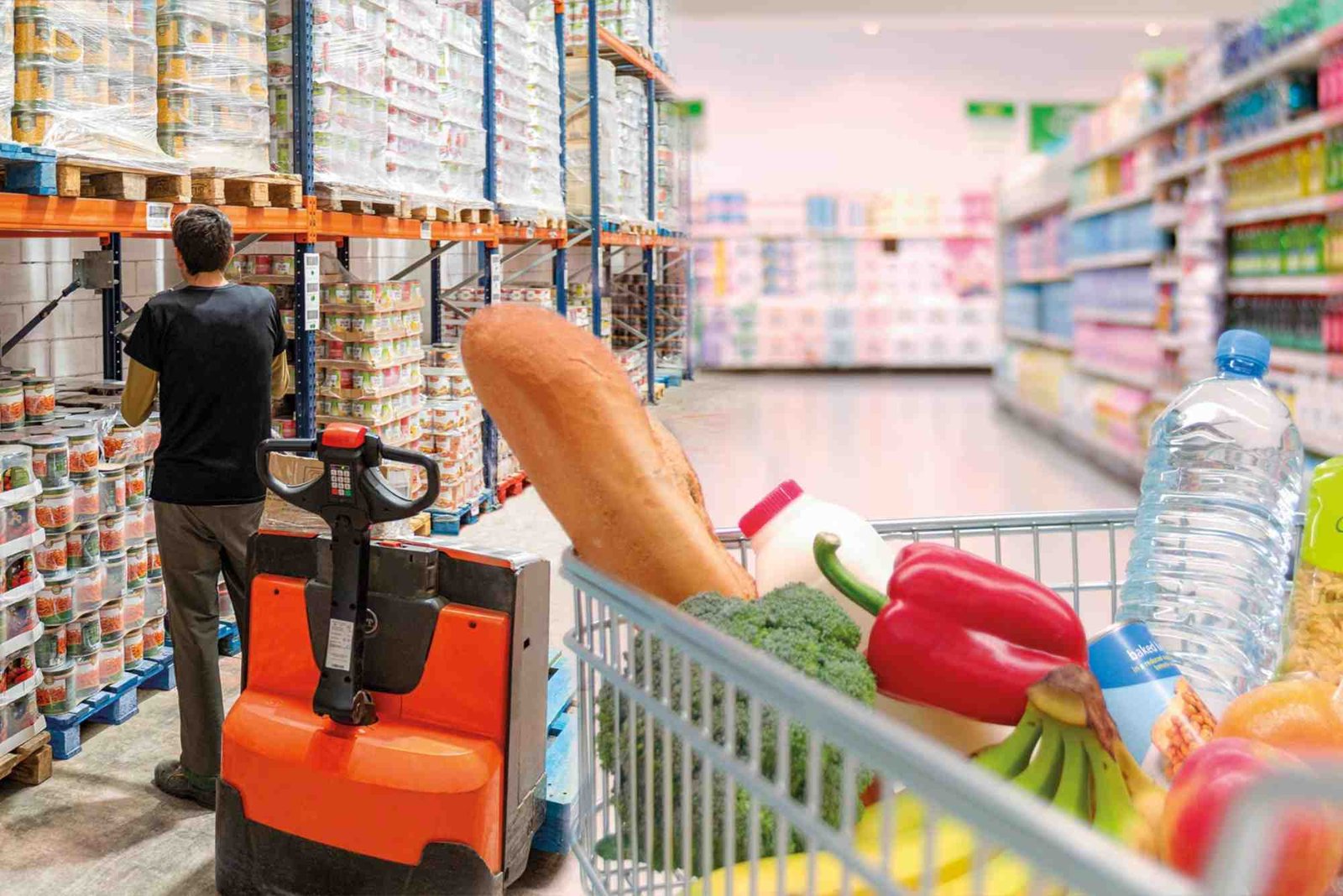
In today’s fast-paced consumer market, Fast-Moving Consumer Goods (FMCG) dominate daily life. From packaged foods and beverages to personal care items, FMCG products are everywhere. While consumers focus on convenience and availability, few realize the complex logistics processes that operate behind the scenes. Understanding how FMCG logistics work behind the scenes is crucial for businesses, retailers, and even customers who want to grasp the efficiency and scale of this supply chain.
FMCG logistics is not just about transporting goods from factories to stores. It involves a sophisticated system of planning, storage, transportation, and distribution. These operations ensure that products reach shelves quickly and safely, maintaining quality and minimizing costs. Companies invest heavily in technology, human resources, and infrastructure to make this process seamless. The goal is simple: keep up with consumer demand while optimizing efficiency.
The Role of FMCG Logistics in the Supply Chain
FMCG logistics plays a pivotal role in the overall supply chain. Unlike durable goods, FMCG products have a short shelf life and require rapid turnover. This makes timely delivery essential. Logistics ensures that products move efficiently from manufacturers to distributors and finally to retailers. A delay at any stage can result in stock shortages or financial losses.
Logistics in FMCG encompasses several key functions: inventory management, order processing, warehousing, transportation, and delivery. Each function must work in harmony. Companies rely on advanced software to track products in real time, predict demand, and optimize routes. These systems allow for faster response times and better customer satisfaction. Moreover, logistics in FMCG is directly linked to brand reputation. Consistent availability of products strengthens consumer trust and loyalty.
Warehouse Management: The First Step
Warehousing is the foundation of FMCG logistics. Efficient storage solutions allow companies to handle large volumes of products without delays. Modern FMCG warehouses are highly automated, equipped with conveyor systems, robotic arms, and advanced sorting technology. These systems reduce human error, increase speed, and improve accuracy in inventory management.
Proper warehouse management involves categorizing products, tracking expiration dates, and maintaining optimal storage conditions. For example, perishable items like dairy or fresh juices require cold storage, while packaged snacks need dry, temperature-controlled environments. Warehouse staff monitor stock levels constantly and prepare orders for dispatch to retailers or distributors. Real-time tracking systems help managers avoid overstocking or stockouts, which can be costly in FMCG industries.
Transportation: Moving Products Efficiently
Transportation is the backbone of FMCG logistics. It connects production facilities, warehouses, distribution centers, and retail outlets. Given the perishable nature of many FMCG products, speed and reliability are critical. Companies often use a combination of road, rail, and air transport depending on distance, cost, and urgency.
Advanced logistics systems optimize delivery routes to reduce fuel costs, avoid traffic congestion, and shorten transit times. Temperature-sensitive products are transported in refrigerated vehicles to maintain freshness. Real-time tracking allows logistics managers to monitor vehicles and ensure timely delivery. In large cities, rapid delivery networks are set up to supply multiple retail outlets efficiently. This ensures shelves remain stocked even during peak shopping periods.
Technology and Data in FMCG Logistics
Modern FMCG logistics relies heavily on technology and data analytics. Enterprise Resource Planning (ERP) systems, Transportation Management Systems (TMS), and Warehouse Management Systems (WMS) are integral tools. These platforms allow companies to plan, monitor, and optimize every stage of the supply chain.
Predictive analytics help anticipate demand fluctuations, allowing companies to adjust production schedules and delivery plans. Artificial Intelligence and Machine Learning algorithms optimize inventory levels and reduce waste. RFID and barcode scanning improve accuracy in tracking products from production to delivery. With these technologies, companies gain complete visibility over their logistics operations, improving efficiency and customer satisfaction.
Coordination with Retailers and Distributors
FMCG logistics is a collaborative process. Manufacturers, distributors, and retailers must work in sync to ensure products reach consumers quickly. Distributors often act as intermediaries, consolidating goods from multiple manufacturers and supplying them to retail outlets.
Effective communication between these stakeholders is essential. Logistics teams share forecasts, order volumes, and delivery schedules to maintain a smooth flow. Retailers provide real-time sales data, helping manufacturers plan production and replenishment. This collaboration reduces delays, prevents stock shortages, and ensures that products are available when consumers need them. Strong coordination also allows companies to respond to market trends faster, maintaining competitiveness.
Challenges in FMCG Logistics
Despite advanced systems and planning, FMCG logistics faces several challenges. High demand variability, short product lifecycles, and the perishable nature of goods require constant vigilance. Unexpected disruptions like traffic congestion, natural disasters, or supply shortages can impact deliveries.
Another challenge is cost control. Transportation, warehousing, and labor expenses can quickly escalate. Companies must balance speed and reliability with cost efficiency. Regulatory compliance is also critical, especially for products like pharmaceuticals, food, and beverages. Logistics teams must follow safety, health, and transportation regulations to avoid penalties and protect consumers.
Sustainability in FMCG Logistics
In recent years, sustainability has become a key focus in FMCG logistics. Companies are adopting greener practices to reduce environmental impact. Electric delivery vehicles, optimized routes, eco-friendly packaging, and energy-efficient warehouses are some examples.
Sustainable logistics not only benefits the environment but also reduces long-term costs. Efficient transportation and storage minimize waste and energy consumption. Consumers increasingly value brands that prioritize sustainability, making eco-conscious logistics a competitive advantage. The shift towards sustainability demonstrates that FMCG logistics is evolving to meet both economic and environmental goals.
The Human Factor in FMCG Logistics
While technology plays a significant role, human expertise remains essential. Skilled logistics managers, warehouse staff, and delivery personnel ensure smooth operations. They make quick decisions, handle unexpected situations, and maintain quality standards.
Training and experience are vital in FMCG logistics. Employees must understand inventory systems, safety protocols, and efficient handling techniques. Their knowledge complements automated systems, ensuring that the supply chain operates efficiently even during high-demand periods.
Future Trends in FMCG Logistics
The future of FMCG logistics is shaped by innovation and consumer expectations. Automation, AI-driven decision-making, and advanced analytics will continue to streamline operations. Robotics in warehouses, drone deliveries, and smart inventory management are emerging trends.
Consumer demand for faster delivery will push companies to adopt more agile and flexible logistics strategies. Real-time tracking and personalized delivery options will become standard. Additionally, sustainability efforts will expand, with companies exploring renewable energy sources, biodegradable packaging, and zero-emission transport. These trends highlight the dynamic nature of FMCG logistics and its continuous evolution.
Understanding how FMCG logistics work behind the scenes reveals a world of meticulous planning, technology, and human expertise. From warehousing and transportation to data-driven decision-making and collaboration with retailers, every step ensures that products reach consumers efficiently. Effective FMCG logistics not only boosts business performance but also enhances customer satisfaction.
For businesses looking to thrive in the fast-moving consumer goods industry, investing in efficient logistics is essential. It ensures product availability, reduces costs, and strengthens brand reputation. By leveraging technology, skilled personnel, and sustainable practices, FMCG companies can maintain a competitive edge in a highly dynamic market. Stay ahead by embracing the innovations and strategies that make FMCG logistics seamless and reliable.
Discover the resurgence of culinary heritage with TopTraditional Foods Making a Comeback. From classic recipes to timeless flavors, these dishes are winning hearts again, blending nostalgia with modern taste. Celebrate the revival of authentic meals that connect us to culture and tradition. Explore more about these beloved foods and their story here.
FAQ
What is FMCG logistics?
FMCG logistics involves the transportation, storage, and distribution of fast-moving consumer goods from manufacturers to retailers.
Why is FMCG logistics important?
It ensures products reach consumers quickly and efficiently, maintaining quality, reducing costs, and meeting high demand.
How do FMCG companies manage perishable products?
Through cold storage warehouses, refrigerated transport, and real-time tracking to maintain freshness and avoid spoilage.
What technologies are used in FMCG logistics?
ERP systems, warehouse management systems, RFID tracking, AI, and predictive analytics are commonly used to optimize operations.
How does sustainability affect FMCG logistics?
Sustainable practices reduce environmental impact, lower costs, and improve brand reputation with eco-conscious consumers.