

Introduction
When you plan to sell or refinance your home, understanding how to boost your home appraisal value becomes essential. A higher appraisal means better selling power, stronger negotiations, and increased equity. Many homeowners underestimate how small improvements and smart preparation can significantly influence the final valuation. The good news is that boosting your home appraisal value is not only possible but also practical with the right approach.
Understanding How to Boost Your Home Appraisal Value
To boost your home appraisal value, you must first understand what appraisers look for. Appraisers evaluate your property based on its condition, size, location, upgrades, and comparable homes in your area. They rely on objective data, but presentation and maintenance also play a role. Therefore, homeowners who actively prepare their property often see better results.
In addition, market conditions can impact your appraisal. A rising market may naturally increase your value, while a slower market requires more effort to stand out. However, even in a balanced market, strategic improvements can help boost your home appraisal value effectively.
Improve Curb Appeal to Boost Your Home Appraisal Value
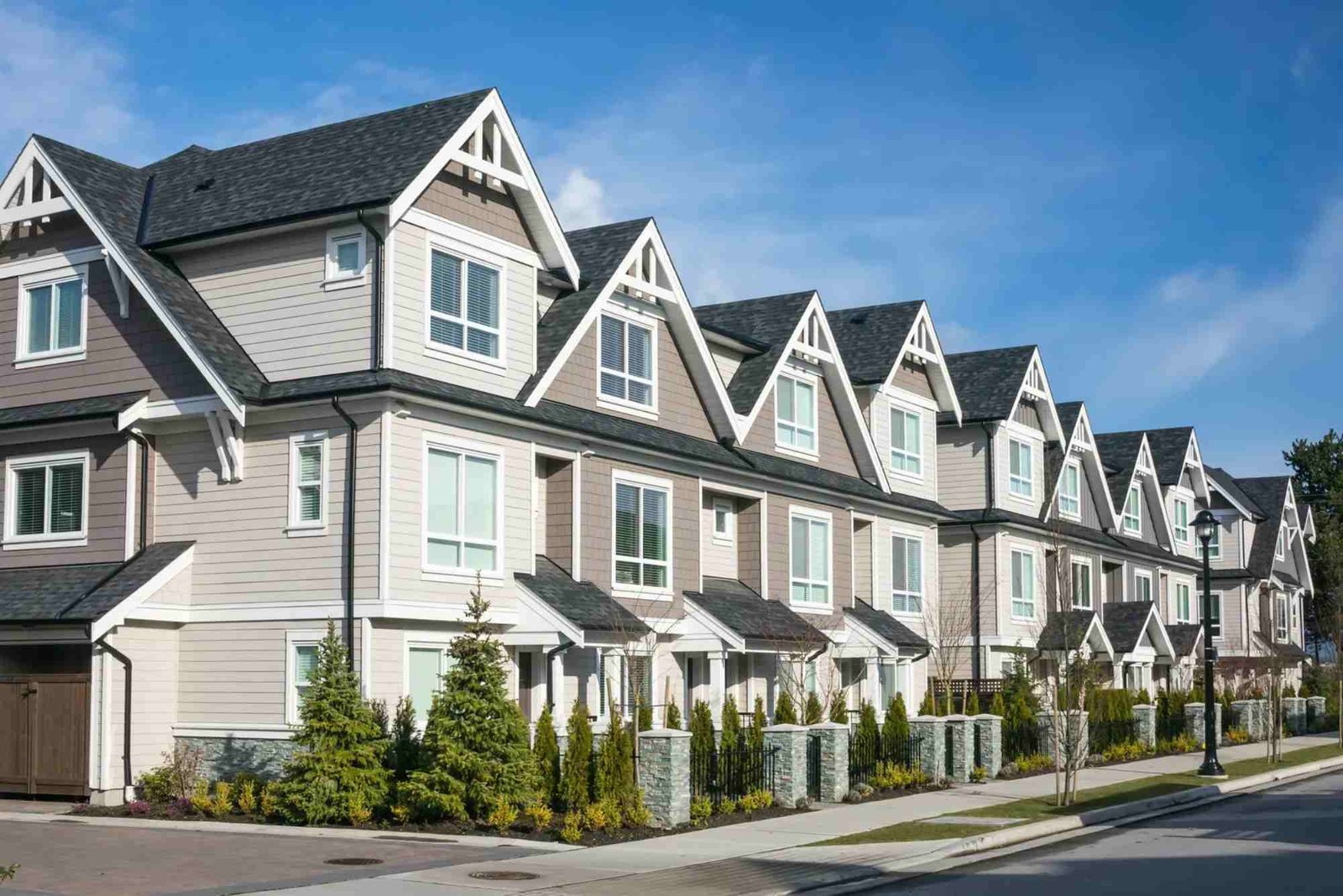
First impressions matter more than most people realize. When an appraiser arrives, the exterior sets the tone for the entire evaluation. Clean landscaping, trimmed bushes, and a freshly painted front door can instantly improve perception. These changes may seem simple, but they contribute to a higher overall impression of your home’s condition.
Moreover, maintaining your driveway, walkway, and exterior walls signals proper care. Appraisers often associate a well-kept exterior with a well-maintained interior. As a result, improving curb appeal is one of the easiest ways to boost your home appraisal value without major investment.
Focus on Cleanliness and Maintenance
A clean and organized home creates a positive impact during an appraisal. While appraisers focus on structural and functional aspects, cleanliness helps them assess your home more clearly. Dust-free surfaces, polished floors, and clutter-free rooms make your property appear more spacious and well cared for.

Additionally, fixing minor issues can make a noticeable difference. Leaky faucets, cracked tiles, or squeaky doors may seem insignificant, but they suggest neglect. Addressing these small repairs shows attention to detail, which helps boost your home appraisal value naturally.
Upgrade Key Areas That Add Value
Certain areas of your home carry more weight during an appraisal. Kitchens and bathrooms, for example, often influence the final value more than other spaces. Updating cabinets, replacing old fixtures, or installing modern lighting can improve these areas without requiring a full renovation.
At the same time, energy-efficient upgrades can also boost your home appraisal value. Installing better insulation, modern windows, or energy-saving appliances adds long-term appeal. Appraisers consider these improvements as value-adding features, especially in markets where buyers prioritize efficiency.
Highlight Square Footage and Usable Space
The size of your home plays a crucial role in its appraisal value. However, it is not just about total square footage but also how usable the space is. Finished basements, functional attics, or additional rooms can significantly increase value when properly presented.
If you want to boost your home appraisal value, ensure that all usable spaces are clean, well-lit, and clearly defined. A room that looks like storage may not count as living space, but the same room styled as an office or guest room can make a strong impression.
Provide Documentation of Improvements
One often overlooked strategy to boost your home appraisal value is proper documentation. If you have made upgrades or renovations, keep records of all work done. This includes receipts, permits, and before-and-after photos.
Appraisers rely on available information, and providing documentation helps them justify a higher valuation. Without proof, some improvements may not be fully considered. Therefore, presenting clear records ensures your efforts are accurately reflected in the appraisal.
Understand Comparable Sales in Your Area
Comparable properties, often called “comps,” are a major factor in determining your home’s value. These are recently sold homes in your area with similar features. If your home compares favorably, your appraisal is likely to be higher.
To boost your home appraisal value, research local sales and understand how your home stands out. If your property has better features or upgrades than nearby homes, make sure these differences are clearly visible and documented. This helps the appraiser justify a higher value based on market data.
Make Smart Repairs Before the Appraisal
Timing matters when preparing your home for an appraisal. Completing necessary repairs before the appraiser visits can prevent value deductions. Structural issues, outdated systems, or visible damage can negatively impact the final report.
However, not all repairs need to be expensive. Focus on fixes that improve functionality and appearance. For example, repairing a broken HVAC system or replacing worn-out flooring can have a meaningful impact. These improvements help boost your home appraisal value while ensuring your property meets expected standards.
Enhance Lighting and Space Perception
Lighting plays a subtle but powerful role in how your home is perceived. Bright, well-lit spaces feel larger and more inviting. Opening curtains, cleaning windows, and adding modern light fixtures can transform the look of your home.
In addition, arranging furniture to create open pathways can improve flow and usability. A home that feels spacious often receives a better evaluation. These adjustments may not change the actual size, but they help boost your home appraisal value through better presentation.
Prepare Your Home on Appraisal Day
The day of the appraisal is your opportunity to present your home at its best. Ensure your property is clean, well-ventilated, and free of distractions. Small details like pleasant scents and comfortable room temperatures can create a positive environment.
While appraisers remain objective, a well-prepared home supports a smooth evaluation process. It allows the appraiser to focus on your home’s strengths rather than distractions. This final step can reinforce all your efforts to boost your home appraisal value.
Common Mistakes That Lower Appraisal Value
Many homeowners unknowingly reduce their appraisal value by ignoring key details. Over-personalized décor, cluttered spaces, and unfinished projects can negatively affect perception. Similarly, failing to maintain essential systems may lead to deductions.
Another common mistake is overestimating the impact of luxury upgrades. While high-end features can add value, they must align with neighborhood standards. Otherwise, they may not significantly boost your home appraisal value. Understanding these pitfalls helps you make smarter decisions.
Long-Term Strategies to Boost Your Home Appraisal Value
If you are planning ahead, long-term improvements can deliver the best results. Regular maintenance, strategic upgrades, and market awareness all contribute to sustained value growth. Investing in durable materials and timeless designs ensures your home remains appealing over time.
Furthermore, staying informed about local real estate trends can guide your decisions. Homes that align with buyer preferences often receive stronger appraisals. By thinking long-term, you can consistently boost your home appraisal value and maximize your investment.
FAQs
How can I quickly boost my home appraisal value?
You can quickly boost your home appraisal value by cleaning, decluttering, and fixing visible issues. Improving curb appeal also creates a strong first impression.
Do renovations always increase appraisal value?
Not always. Only strategic upgrades, like kitchen and bathroom improvements, typically provide a strong return. Over-improving may not add full value.
What do appraisers look for the most?
Appraisers focus on location, condition, size, and comparable sales. They also consider upgrades and overall maintenance.
Does a messy home affect appraisal value?
Yes, clutter and poor presentation can make your home appear smaller and less maintained, which may lower its value.
Should I provide documents to the appraiser?
Yes, providing a list of upgrades and repairs helps ensure all improvements are considered in the final valuation.
Take the next step today by applying these tips and making your home appraisal-ready. A little effort now can lead to a significantly higher property value.