
Introduction
Every car owner dreams of a smooth, powerful, and responsive engine. A vehicle that accelerates effortlessly, runs efficiently, and lasts longer is not just a pleasure to drive but also a smart investment. Understanding how to improve your car’s engine performance can save money, reduce wear and tear, and enhance your overall driving experience. With the right approach, even older engines can regain power and responsiveness.
Improving engine performance goes beyond mere cosmetic upgrades. It requires a combination of proper maintenance, smart modifications, and fuel efficiency strategies. In this article, we will explore practical ways to boost your car’s engine output, improve fuel economy, and extend its life, all without compromising reliability.
Understanding Engine Performance
Before diving into performance enhancements, it’s essential to understand what makes an engine perform well. Engine performance is typically measured by power output, torque, fuel efficiency, and responsiveness. Several factors influence these elements, including air and fuel flow, combustion efficiency, ignition timing, and exhaust management.
The Role of Maintenance in Engine Performance
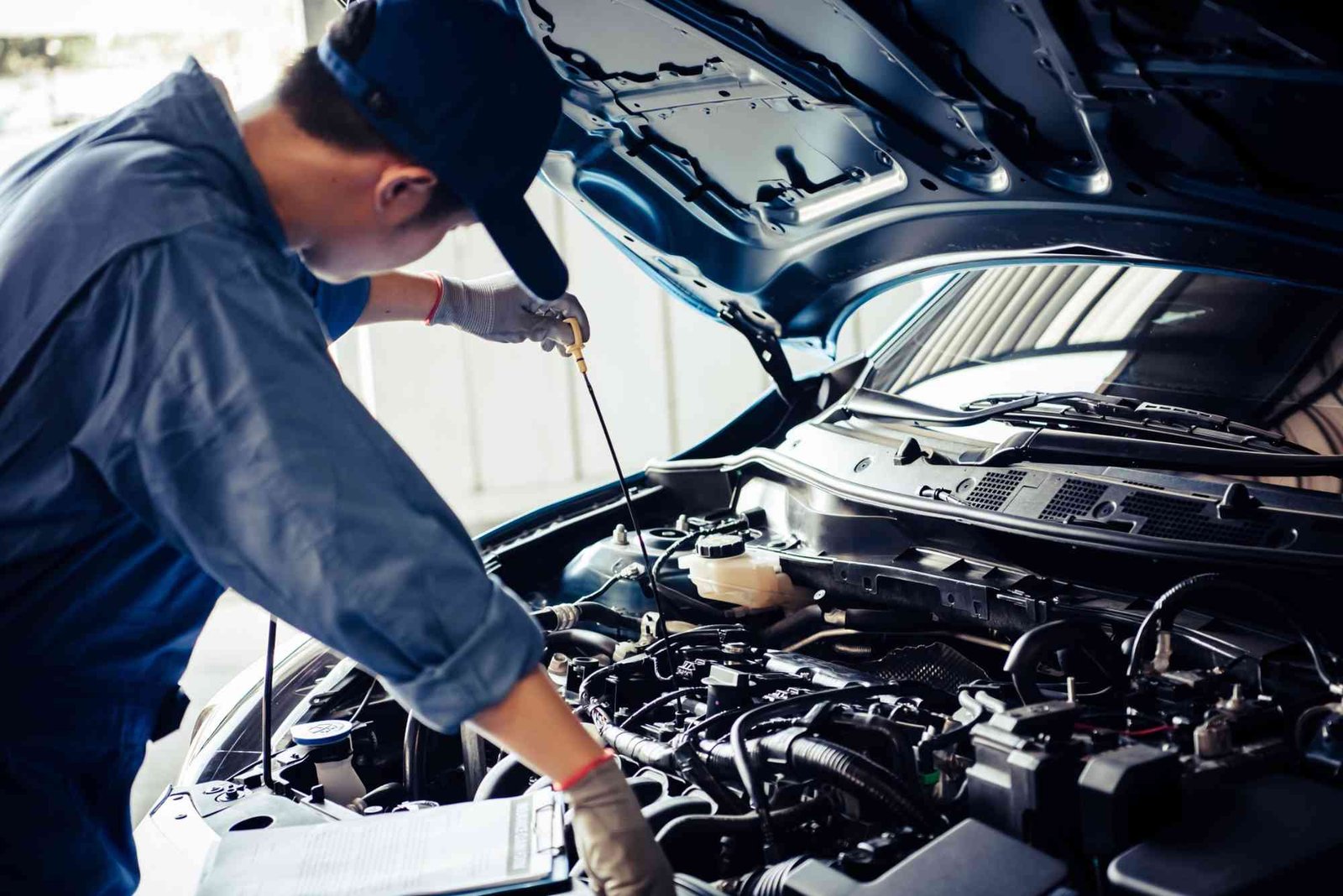
A poorly maintained engine cannot deliver optimal performance. Regular maintenance ensures that all components work harmoniously, minimizing power loss and preventing damage. Simple tasks like timely oil changes, replacing worn spark plugs, and keeping filters clean can significantly improve your car’s response. Clean, high-quality oil reduces friction, while fresh spark plugs ensure complete combustion.
Fuel Quality and Engine Efficiency
Fuel plays a crucial role in engine performance. Using the correct grade of gasoline for your engine prevents knocking, maintains smooth acceleration, and protects internal components. High-octane fuel can improve performance in certain high-compression engines, while cleaner fuels help reduce deposits in fuel injectors and combustion chambers.
Practical Ways to Improve Engine Performance
There are numerous strategies to enhance engine output. Some methods focus on maintenance, while others involve simple modifications or driving habits. By combining these approaches, you can achieve noticeable improvements in power, efficiency, and longevity.
Optimize Air Intake and Filtration
Engines require a precise air-to-fuel ratio to perform efficiently. A clogged or restrictive air filter reduces airflow, limiting combustion efficiency. Upgrading to a high-flow air filter can increase airflow, improve throttle response, and enhance overall engine power. Additionally, inspecting and cleaning the air intake system regularly ensures that the engine receives sufficient oxygen for combustion.
Upgrade the Exhaust System
The exhaust system affects how efficiently an engine expels gases after combustion. A restrictive exhaust can limit power output, while an optimized exhaust system enhances airflow, reduces backpressure, and improves performance. Performance mufflers, larger-diameter exhaust pipes, or even a cat-back system can contribute to better engine breathing and increased horsepower.
Improve Fuel Delivery
A clean fuel system ensures that the engine receives the right amount of fuel at the right time. Fuel injectors can become clogged over time, reducing efficiency and causing rough idling or hesitation. Periodic fuel system cleaning or using high-quality fuel additives can restore injector performance and improve fuel atomization, resulting in smoother acceleration and better combustion.
Tune the Engine
Engine tuning involves adjusting the electronic control unit (ECU) or ignition timing to optimize performance. Modern cars with computer-controlled engines can benefit from ECU remapping, which can enhance power output, torque, and fuel efficiency. Proper tuning ensures that the engine operates at its peak potential while maintaining reliability and avoiding excessive stress.
Regularly Check and Replace Spark Plugs
Spark plugs are vital for igniting the fuel-air mixture. Worn or dirty spark plugs reduce combustion efficiency, leading to misfires, decreased power, and lower fuel economy. Replacing spark plugs at recommended intervals improves ignition, boosts performance, and ensures smoother engine operation.
Use High-Quality Engine Oil
Engine oil lubricates moving parts, reduces friction, and helps dissipate heat. Using high-quality synthetic oils can enhance engine performance by providing better lubrication under extreme temperatures, reducing wear, and improving fuel efficiency. Regular oil changes prevent sludge buildup and maintain optimal engine function.
Consider Performance Enhancements
For those looking for noticeable improvements, aftermarket modifications can be effective. Cold air intakes, turbochargers, and superchargers increase the amount of air entering the engine, allowing more fuel to burn efficiently and producing greater power. Performance camshafts or upgraded intercoolers can also enhance engine responsiveness. However, these modifications should be performed by professionals to maintain safety and reliability.
Monitor Engine Temperature
Excessive heat can reduce engine efficiency and cause damage over time. Maintaining the cooling system, including the radiator, coolant levels, and thermostat, ensures that the engine operates within the optimal temperature range. A cooler engine tends to perform better, with improved combustion and longer component life.
Focus on Driving Habits
Your driving style significantly impacts engine performance. Aggressive acceleration, frequent hard braking, and high-speed driving put extra strain on the engine. Smooth, steady driving not only reduces wear but also improves fuel efficiency and keeps the engine performing at its best. Simple adjustments like gradual acceleration and consistent speed can make a noticeable difference.
Benefits of Improved Engine Performance
Enhancing your car’s engine performance is not just about speed. A well-tuned and maintained engine offers multiple benefits that affect safety, efficiency, and overall driving pleasure.
Increased Power and Responsiveness
A properly optimized engine delivers better acceleration and responsiveness. This makes merging, overtaking, and driving on inclines safer and more enjoyable.
Enhanced Fuel Efficiency
An efficiently running engine consumes fuel more effectively. Maintaining optimal air-fuel ratios, using high-quality fuel, and following good driving habits can improve miles per gallon without expensive modifications.
Reduced Wear and Longer Engine Life
Regular maintenance, proper lubrication, and timely replacement of worn components prevent premature engine wear. A healthy engine lasts longer, reducing repair costs and increasing the vehicle’s resale value.
Environmental Benefits
Engines that operate efficiently produce fewer emissions. Cleaner combustion reduces pollutants, contributing to a smaller environmental footprint while keeping the car compliant with emission standards.
Technology Is Changing Everyday Life in powerful ways, making communication faster, work more efficient, and access to information easier than ever. From smartphones and smart homes to online shopping and digital payments, modern innovations simplify daily tasks and improve convenience. Social media, cloud computing, and artificial intelligence are reshaping how people connect, learn, and do business. As technology continues to evolve, it plays a key role in enhancing productivity, entertainment, and overall quality of life worldwide.
(FAQ)
How can I increase my car engine’s horsepower?
Increasing horsepower involves improving air and fuel flow, optimizing ignition timing, and possibly using aftermarket performance parts.
Does regular oil change affect engine performance?
Yes, clean oil reduces friction, maintains proper lubrication, and ensures efficient engine operation, directly impacting performance.
Can fuel additives improve engine power?
Certain high-quality fuel additives clean injectors and prevent carbon buildup, helping restore lost power and improve throttle response.
Is ECU tuning safe for all cars?
Modern ECU tuning can enhance performance, but it should be done by professionals and within the manufacturer’s specifications to avoid engine damage.
Do driving habits influence engine longevity?
Absolutely. Smooth acceleration, moderate speeds, and avoiding frequent harsh braking reduce engine stress and extend life.
Improving your car’s engine performance is a combination of regular maintenance, smart modifications, and responsible driving. From optimizing air intake and fuel delivery to using high-quality oils and considering ECU tuning, there are numerous ways to boost power, efficiency, and longevity. Even small changes, like replacing spark plugs or using better fuel, can make a noticeable difference.
By investing time and care into your engine, you not only enhance performance but also increase your car’s reliability and resale value. Start by inspecting your vehicle, maintaining clean and efficient components, and adopting smoother driving habits. Over time, these practices will transform your driving experience, delivering a responsive, powerful, and fuel-efficient engine.
If you want your car to run like new and unleash its full potential, begin today. Prioritize maintenance, monitor performance, and explore safe upgrades to enjoy every drive to the fullest. Your engine deserves it.