
Introduction
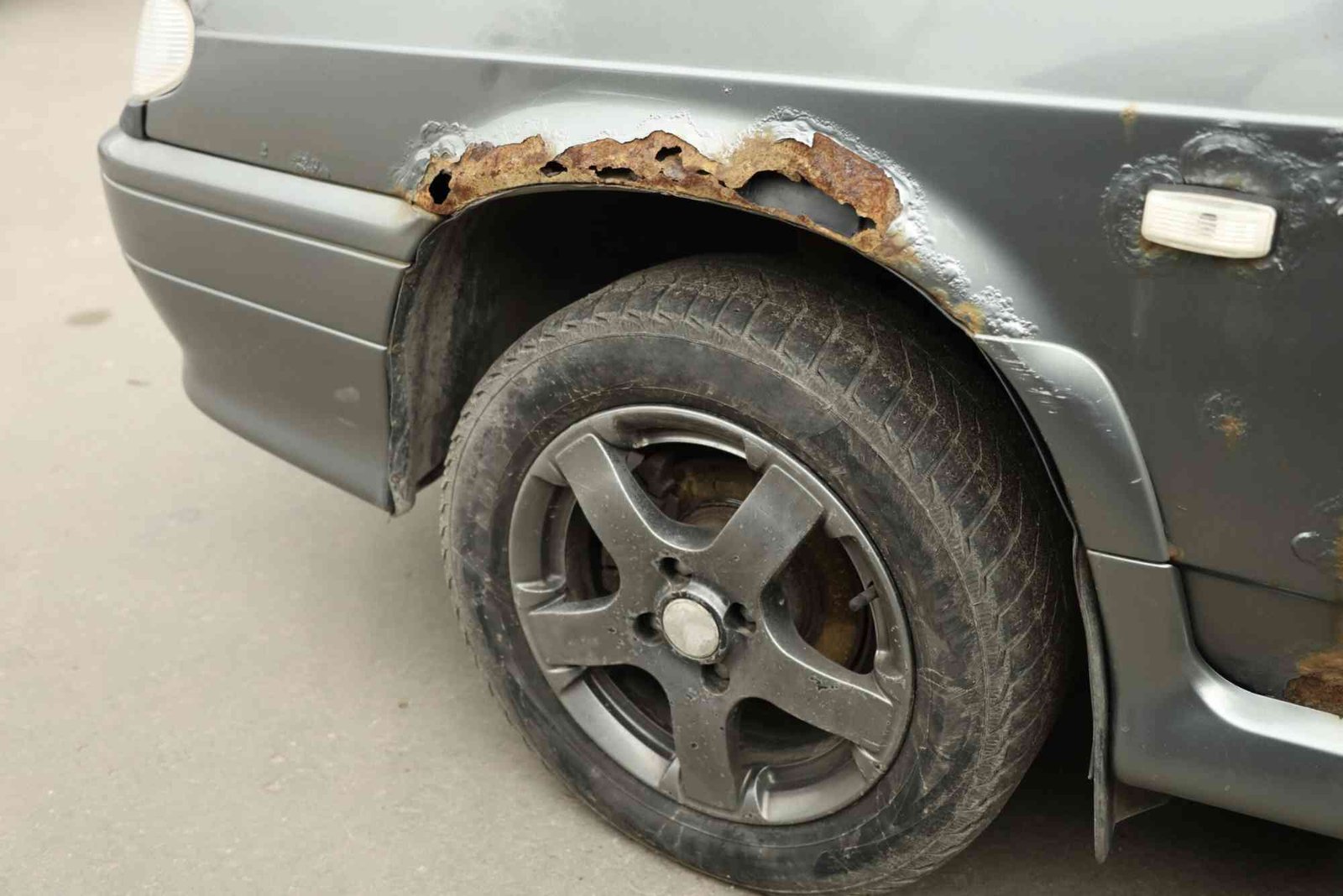
Rust is one of the biggest threats to vehicle durability and resale value. Understanding how to prevent rust on your car body can save you costly repairs and keep your car looking new for years. Moisture, salt, dirt, and scratches often trigger corrosion. However, with proper care and regular maintenance, you can protect your vehicle effectively. This guide explains proven strategies, practical tips, and expert insights to stop rust before it starts.
Why Rust Forms on Car Bodies
Rust develops when metal reacts with oxygen and moisture. Cars are constantly exposed to rain, humidity, road salt, and dirt. Over time, these elements damage the protective paint layer. Once the paint cracks or chips, metal becomes exposed. That exposure speeds up corrosion.
Road conditions also play a major role. In areas with snow, salt is used to melt ice. Salt accelerates rust formation. Coastal regions create similar risks because salty air affects metal surfaces.
Knowing the causes helps you understand how to prevent rust on your car body more effectively. Prevention always works better than repair.
Regular Washing and Cleaning
Cleaning your car regularly is one of the simplest and most powerful methods to reduce corrosion risk. Dirt and grime trap moisture against the metal surface. If left untreated, this moisture leads to rust spots.
Wash your car at least twice a month. In winter or coastal areas, clean it more often. Focus on the underbody, wheel arches, and lower panels. These areas collect mud and salt easily.
Use clean water and quality car shampoo. Avoid harsh chemicals that damage paint. After washing, dry the car completely. Moist surfaces increase rust formation.
Pay attention to hidden corners and seams. These spots often accumulate dirt. Proper cleaning plays a major role in how to prevent rust on your car body.
Protect the Paint Surface
Paint acts as the first defense against corrosion. When the paint layer remains strong and intact, metal stays protected.
Apply wax every three to four months. Wax creates a protective barrier against moisture and dirt. It also improves shine and strengthens paint protection.
Ceramic coatings provide even stronger protection. They last longer than wax and offer better resistance to water and contaminants. Professional application usually delivers the best results.
Always repair paint chips quickly. Small scratches expose bare metal. If ignored, they turn into visible rust spots. Touch-up paint helps seal those damaged areas before corrosion spreads.
Protecting the paint properly is essential for anyone serious about learning how to prevent rust on your car body.
Inspect for Damage Regularly
Frequent inspection allows you to detect rust at an early stage. Early detection makes repair easier and cheaper.
Check your car every month for scratches, bubbles under paint, or brown discoloration. These signs indicate rust development beneath the surface.
Look carefully around door edges, trunk areas, fenders, and hood corners. These parts often show early corrosion.
If you notice small rust spots, remove them immediately. Use sandpaper to clean the affected area. Then apply primer and touch-up paint. Quick action prevents rust from spreading further.
Routine inspection is a smart habit that supports long-term protection. It strengthens your overall strategy for how to prevent rust on your car body.
Protect the Undercarriage
The undercarriage faces constant exposure to water, mud, and road salt. Many vehicle owners ignore this area. However, it is one of the most vulnerable parts.
Apply an undercoating spray designed to protect metal surfaces. This coating blocks moisture and reduces corrosion risk. Professional undercoating services often provide long-lasting protection.
After driving in rain or snow, wash the underbody thoroughly. Removing salt and dirt reduces rust chances significantly.
Check suspension parts, exhaust systems, and metal joints regularly. These components often rust faster than exterior panels. Protecting the undercarriage is a key step in mastering how to prevent rust on your car body effectively.
Keep Drain Holes Clean
Cars have built-in drainage systems to remove water from doors and body panels. If these drain holes become blocked, water accumulates inside metal parts. That trapped moisture leads to rust.
Inspect door drain holes and clean them regularly. Use compressed air or a small tool to remove debris.
Make sure water flows freely after washing your vehicle. Proper drainage reduces internal corrosion risks.
Many drivers overlook this simple step. However, clean drainage systems play an important role in preventing hidden rust damage.
Use Rust Protection Products
Various products in the market help protect vehicles from corrosion. Rust inhibitors, protective sprays, and sealants create an extra barrier against moisture.
Apply rust protection sprays to exposed metal parts. Follow the manufacturer’s instructions carefully.
Anti-rust treatments work best when applied before rust appears. Preventive protection always delivers better results than treatment after damage occurs.
Choose high-quality products from trusted brands. Cheap alternatives often fail to provide long-term protection. Investing in reliable solutions supports your goal of learning how to prevent rust on your car body.
Avoid Long-Term Exposure to Moisture
Parking conditions affect rust formation significantly. Avoid parking your car under trees for long periods. Tree sap, bird droppings, and moisture damage paint surfaces.
Whenever possible, park in a garage or covered area. Shelter reduces exposure to rain and humidity.
If indoor parking is not available, consider using a waterproof car cover. Make sure the cover is breathable to prevent moisture buildup underneath.
Controlling environmental exposure strengthens protection against corrosion. Smart parking habits contribute greatly to preventing rust.
Repair Damage Immediately
Accidents, scratches, and minor collisions often damage protective paint layers. Ignoring such damage increases rust risk.
Repair dents and scratches as soon as possible. Even small paint cracks expose metal to air and water.
Professional body repair ensures proper surface treatment and sealing. If the damage is severe, consult a trusted mechanic or auto body specialist.
Quick repairs stop rust from spreading and protect your vehicle’s structural strength. Immediate action is essential in understanding how to prevent rust on your car body effectively.
Maintain Proper Ventilation Inside the Car
Moisture sometimes builds up inside vehicles. Wet carpets, leaking seals, or spilled liquids increase humidity levels.
Check door seals and window seals regularly. Replace damaged rubber parts immediately.
Dry the interior properly after cleaning. Use moisture absorbers if necessary.
Controlling interior humidity prevents internal metal parts from corroding. This step supports overall rust prevention efforts.
Schedule Professional Inspections
Professional mechanics can detect hidden rust areas that drivers might miss. Regular service checks improve long-term protection.
Schedule a full inspection at least once a year. Experts examine critical components and recommend protective treatments.
Professional advice ensures your car receives proper maintenance. Expert guidance strengthens your knowledge about how to prevent rust on your car body.
Long-Term Benefits of Rust Prevention
Preventing rust improves vehicle lifespan and resale value. Buyers prefer cars with clean bodies and no corrosion signs.
Rust-free cars also maintain structural strength. Corrosion weakens metal components over time.
Regular maintenance reduces repair expenses. Small preventive actions save money in the long run.
By following consistent care routines, you protect your investment and maintain appearance.
Learning how to prevent rust on your car body requires regular attention and preventive action. Simple habits like washing frequently, protecting paint, inspecting surfaces, and applying anti-corrosion treatments make a big difference. Moisture, salt, and dirt are constant threats, but proper maintenance reduces their impact.
Protect your undercarriage, clean drainage holes, and repair damage quickly. Use quality products and schedule professional inspections for added safety.
Start implementing these strategies today to extend your car’s life and maintain its value. Take action now and protect your vehicle from corrosion before it becomes a serious problem.
If you want expert assistance or professional rust protection services, contact a trusted auto care provider and ensure long-term protection for your car.
Top luxury car brands to watch in 2025 are leading the industry with advanced technology, premium design, and powerful performance. These brands focus on innovation, electric mobility, smart features, and unmatched comfort. From cutting-edge safety systems to elegant interiors, they redefine luxury driving. Car enthusiasts expect new models with improved efficiency and sustainability. Keep an eye on the brands that combine tradition with modern engineering to shape the future of luxury automobiles.
FAQ
How often should I wash my car to prevent rust?
Wash your car at least twice a month. In winter or coastal areas, wash it more frequently to remove salt and moisture.
Does waxing really help prevent rust?
Yes, waxing creates a protective layer over the paint. It blocks moisture and reduces the chance of corrosion forming.
What is the best protection for the undercarriage?
Undercarriage coating and regular cleaning are effective. Professional anti-rust sprays offer strong long-term protection.
Can small scratches cause rust?
Yes, scratches expose bare metal to air and water. Repair them quickly to prevent rust from spreading.
Is garage parking necessary to prevent rust?
Garage parking reduces moisture exposure. It is not mandatory, but it significantly lowers rust risk.