
Introduction
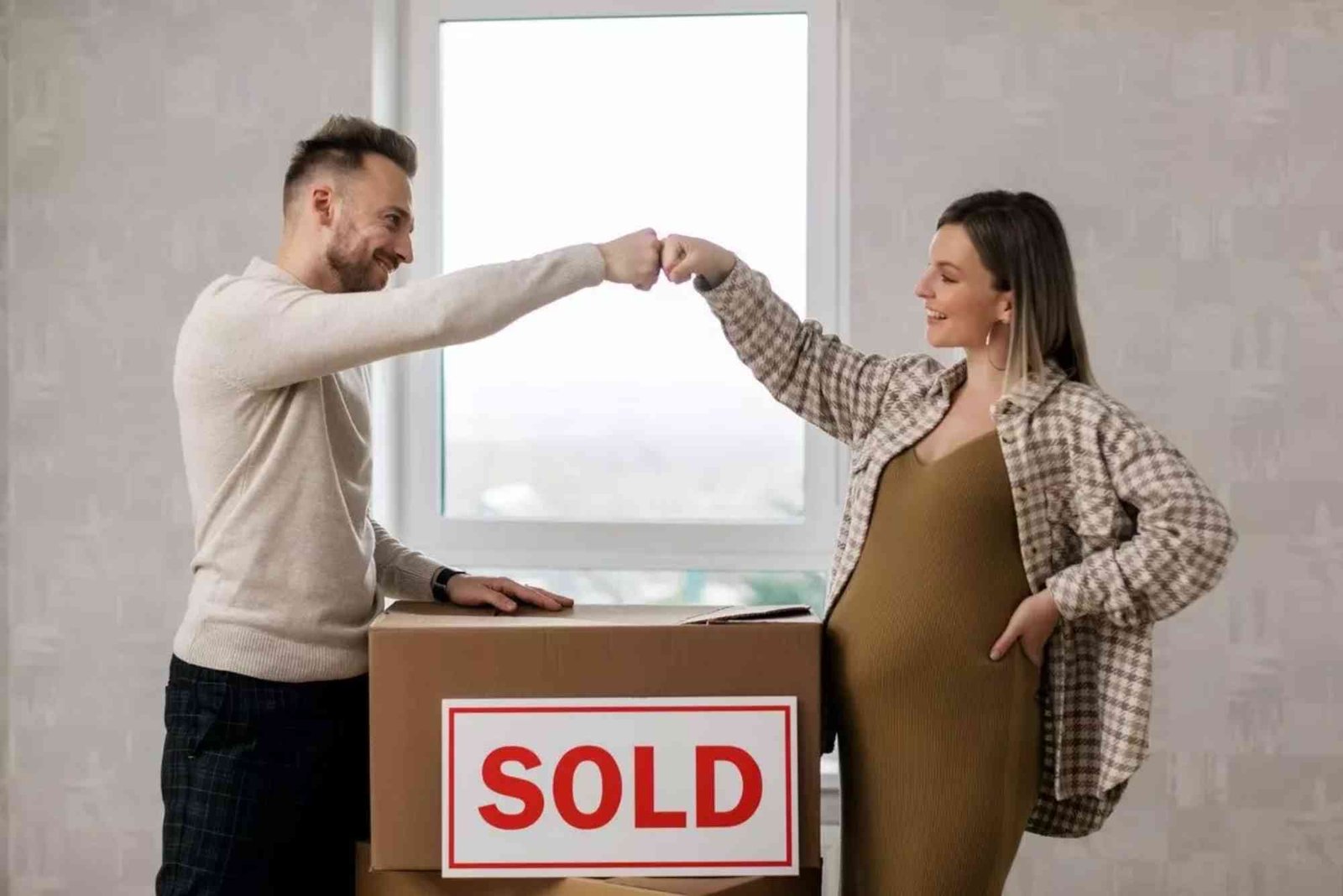
Selling property in a slow market can feel overwhelming, but with the right strategies, it’s possible to attract buyers and close a deal efficiently. A slow market usually means fewer buyers, longer selling times, and increased competition. However, understanding market trends, presenting your property effectively, and pricing it correctly can make all the difference. This guide will help you navigate the challenges and increase your chances of selling successfully.
Understanding a Slow Market
A slow real estate market occurs when there is more supply than demand. This imbalance can result from economic downturns, high interest rates, or local factors like new housing developments. Sellers often struggle because buyers are cautious, prices are stagnant, and homes linger on the market.
Being aware of the market conditions helps you make informed decisions. You’ll need patience, creativity, and flexibility to adjust your selling strategy. Recognizing that selling in a slow market requires a different approach than a hot market is the first step toward success.
Pricing Your Property Strategically
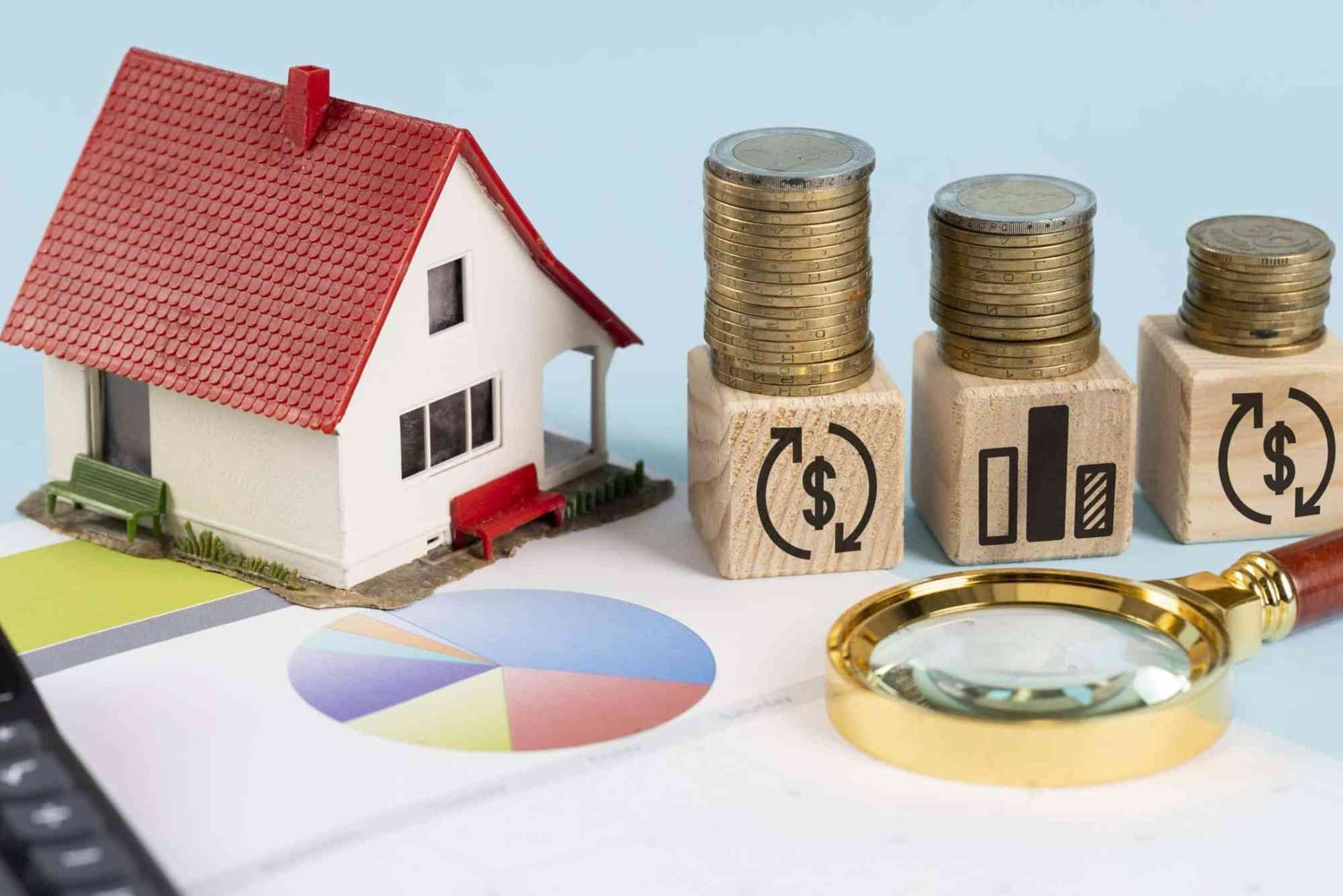
Pricing is one of the most critical factors when trying to sell in a slow market. Overpricing can scare off potential buyers, while underpricing might result in lost value. Conducting a comparative market analysis is essential. Look at similar properties in your area, their selling price, and how long they stayed on the market.
Pricing slightly below market value can attract more attention and generate competition among buyers. A strategic price can create urgency and lead to faster offers. Remember, buyers in slow markets are often looking for deals, so transparency and fairness in pricing build trust and increase the likelihood of a sale.
Enhancing Property Appeal
First impressions matter, especially when buyers have many options. Enhancing your property’s appeal can significantly impact its marketability. Start with curb appeal. A freshly painted exterior, clean landscaping, and a welcoming entrance create a strong initial impression.
Inside, decluttering and staging your home can make it feel more spacious and inviting. Neutral colors, clean surfaces, and organized spaces allow buyers to visualize themselves living there. Small upgrades, such as modern fixtures, updated appliances, and polished floors, can improve perceived value without breaking the budget.
Professional photography is another essential tool. High-quality images can attract online buyers and increase the likelihood of inquiries. Virtual tours and videos provide an immersive experience, helping your property stand out even in a slow market.
Marketing Strategies That Work
Marketing your property effectively is crucial in a slow market. Traditional methods like listing on real estate websites and newspapers remain relevant, but online strategies dominate today. Use social media platforms to reach potential buyers locally and internationally. Facebook, Instagram, and LinkedIn can promote your property to a wider audience.
Email campaigns to previous contacts, investors, and real estate agents can generate leads. Highlight unique selling points, including location benefits, nearby amenities, and property features that differentiate it from competitors. Consider hosting open houses or virtual tours to give buyers a firsthand look.
Working with a skilled real estate agent can amplify your marketing efforts. Experienced agents have access to networks, potential buyers, and marketing tools that can accelerate the sale. They can also guide you on pricing, negotiation, and timing for maximum impact.
Offering Incentives to Buyers
Incentives can motivate hesitant buyers in a slow market. Offering flexibility in closing dates, covering certain closing costs, or including appliances and furniture can make your property more attractive.
Buyers often respond to creative offers that reduce upfront costs or provide added value. Highlighting these incentives in your marketing and negotiations can set your property apart and create a sense of urgency.
Timing and Patience
Selling property in a slow market requires realistic expectations. Homes may take longer to sell, and offers might be lower than anticipated. Avoid rushing decisions or lowering prices drastically too early.
Monitor market trends regularly and adjust your strategy if necessary. Patience combined with proactive action increases the chances of attracting the right buyer at a fair price. Timing can also play a role. Certain seasons, such as spring and summer, tend to have higher buyer activity, so planning your listing around these periods may help.
Negotiation Tactics
Negotiation in a slow market often involves more give-and-take. Buyers may request price reductions, repairs, or additional incentives. Prepare for these discussions by knowing your property’s minimum acceptable price and understanding your priorities.
Maintain a professional and flexible approach. Counteroffers can be strategic, such as offering minor concessions in exchange for a higher price or faster closing. A skilled negotiator can turn a hesitant buyer into a committed one while protecting your interests.
Leveraging Technology
Technology can be a game-changer when selling in a slow market. Online listings, virtual tours, and 3D walkthroughs help your property reach buyers who might not be able to visit physically.
Digital marketing tools, such as search engine optimization and targeted advertising, can place your property in front of motivated buyers actively searching online. Use analytics to track engagement, inquiries, and website traffic. This information can guide adjustments in marketing efforts to maximize visibility and interest.
Working With Real Estate Professionals
Partnering with experienced professionals improves your chances of selling efficiently. Real estate agents understand the local market, buyer behavior, and marketing strategies. They can advise on pricing, staging, and promotion to ensure your property stands out.
Legal experts and mortgage advisors can also support the process. Handling paperwork correctly and ensuring smooth transactions reduces stress for both you and the buyer. Professional guidance creates confidence and trust, essential in a slow market.
Maintaining Flexibility
Flexibility is key when navigating a slow market. Be open to feedback from buyers and agents. Adjusting your listing price, updating marketing materials, or making minor improvements can lead to better results.
Consider alternative strategies, such as renting the property temporarily, offering lease-to-own options, or marketing to investors. Adaptability demonstrates your willingness to find solutions and increases the likelihood of a successful sale.
Selling property in a slow market is challenging, but with strategic planning, effective marketing, and patience, it’s achievable. Understand the market, price your property correctly, enhance its appeal, and leverage technology to reach the right buyers. Partnering with professionals and staying flexible throughout the process can lead to a successful sale.
If you are looking to sell your property efficiently, start implementing these strategies today. Take control of your sale and turn a slow market into a successful opportunity.
Discover the latest insights on Top Luxury Real Estate Trends in 2025. From smart home innovations to eco-friendly designs, luxury properties are evolving with modern lifestyles. Stay ahead of the market with key trends shaping upscale living, including sustainable architecture, high-tech amenities, and prime investment locations. Explore how luxury real estate is redefining comfort, style, and value in the coming year.
FAQ
How long does it usually take to sell property in a slow market?
It can take several months longer than in a hot market. Patience and proactive marketing are essential.
Should I lower my price to sell faster?
Lowering price slightly can attract buyers, but research the market carefully. Strategic pricing works better than drastic reductions.
What improvements increase property value in a slow market?
Curb appeal, fresh paint, modern fixtures, and professional staging can make a property more attractive.
Are incentives effective in slow markets?
Yes, offering flexibility in closing, covering costs, or including appliances can motivate hesitant buyers.
Is hiring a real estate agent necessary?
Professional agents can expand your reach, provide pricing guidance, and manage negotiations effectively.