

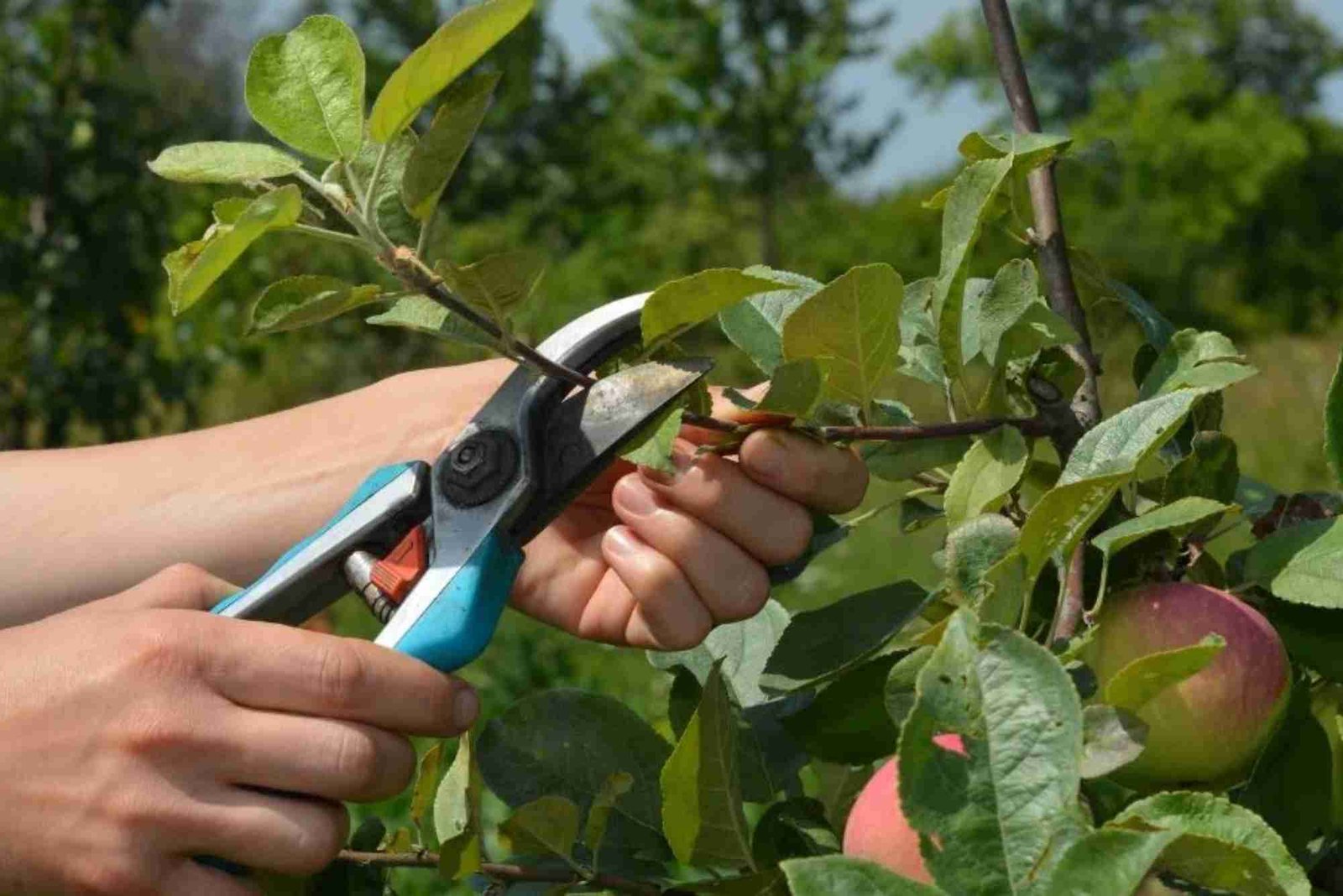
Ornamental Pruning in Cook County, IL
Ornamental Pruning in Cook County, IL is an essential part of maintaining healthy and visually appealing landscapes. Homeowners and property managers in this region face unique climate conditions. Harsh winters and humid summers make proper pruning even more important.
When done correctly, ornamental pruning enhances plant structure, encourages growth, and prevents disease. It also improves curb appeal, which increases property value over time.
In this guide, you will learn how ornamental pruning works, when to do it, and why it matters for long-term landscape health in Cook County, Illinois.
Understanding Ornamental Pruning in Cook County, IL
Ornamental pruning in Cook County, IL refers to the careful trimming of decorative trees, shrubs, and plants. The goal is not just cutting branches but shaping plant health and beauty.
In regions like Cook County, plants experience strong seasonal changes. This makes timing and technique critical. Incorrect pruning can stress plants or reduce flowering potential.
Proper ornamental pruning focuses on removing dead, damaged, or crossing branches. It also helps control size and maintain natural plant shape.

Why Ornamental Pruning Matters Locally
Cook County’s climate creates specific challenges. Freezing winters can damage branches. Meanwhile, spring growth can become overgrown if not managed.
Regular pruning helps plants recover faster after winter stress. It also encourages stronger blooms in spring and summer.
Healthy pruning practices reduce pest infestations and fungal diseases. This is especially important in humid conditions common in the Midwest.
Best Time for Ornamental Pruning in Cook County, IL
Timing plays a major role in successful pruning. In Cook County, most ornamental pruning is done during late winter or early spring.
During dormancy, plants experience less stress from trimming. This allows them to heal quickly once the growing season begins.
However, some flowering plants require post-bloom pruning. This ensures that next season’s flowers are not accidentally removed.
Summer pruning is also useful for shaping and light maintenance. It helps control fast-growing shrubs and keeps landscapes tidy.
Avoid heavy pruning in late fall. Fresh cuts may not heal before freezing temperatures arrive.
Techniques Used in Ornamental Pruning in Cook County, IL
Professional pruning is more than just cutting branches. It involves strategic decisions that impact plant structure and long-term growth.
Crown Shaping for Visual Balance
Crown shaping helps maintain a natural and balanced appearance. It is often used for ornamental trees in residential landscapes.
This technique improves airflow and sunlight exposure. As a result, plants grow more evenly and stay healthier.
Deadwood Removal for Plant Health
Removing dead or dying branches is essential. It prevents decay from spreading to healthy parts of the plant.
In Cook County, winter damage often creates deadwood. Regular removal keeps plants strong and safe.
Thinning for Air Circulation
Thinning reduces overcrowded branches. It allows better air movement through the plant canopy.
This reduces the risk of fungal diseases, especially during humid summer months.
Reduction Pruning for Size Control
Some ornamental plants grow too large for residential spaces. Reduction pruning helps control size without harming plant structure.
This method is especially useful for shrubs near walkways, driveways, and patios.
Benefits of Ornamental Pruning in Cook County, IL
Proper pruning offers both aesthetic and functional benefits. It improves the overall health of your landscape.
Well-pruned plants grow stronger and live longer. They also require less maintenance over time.
Another major benefit is improved safety. Removing weak branches reduces the risk of storm damage.
Ornamental pruning also boosts curb appeal. A well-maintained landscape makes a strong first impression on visitors and buyers.
In a competitive housing market like Cook County, visual appeal matters significantly.
Common Mistakes to Avoid
Many homeowners attempt DIY pruning without proper knowledge. This often leads to long-term plant damage.
One common mistake is over-pruning. Removing too many branches can stress plants and reduce growth.
Another issue is improper cutting technique. Poor cuts can leave wounds that invite disease.
Timing errors are also frequent. Pruning at the wrong season may eliminate future flowers or fruit production.
Hiring a professional or learning proper methods can prevent these issues.
Choosing Professional Ornamental Pruning Services in Cook County, IL
While small trimming tasks can be done at home, larger jobs require expertise.
Professional arborists understand plant biology and local climate conditions. They use proper tools and techniques for safe pruning.
In Cook County, experienced professionals also know how to handle native and ornamental species effectively.
When choosing a service, look for experience, local knowledge, and proper certification. This ensures your landscape receives the best care possible.
Conclusion
Ornamental Pruning in Cook County, IL is more than just maintenance. It is an investment in the health and beauty of your landscape.
With the right timing, techniques, and care, your trees and shrubs can thrive year-round. Proper pruning improves safety, boosts curb appeal, and supports long-term plant growth.
If you want a healthier and more attractive outdoor space, now is the right time to take action.
Contact a local pruning specialist in Cook County today and give your landscape the professional care it deserves.
FAQ – Ornamental Pruning in Cook County, IL
What is the best time for ornamental pruning in Cook County, IL?
The best time is late winter to early spring. Plants are dormant, which reduces stress and promotes healthy regrowth.
How often should ornamental pruning be done?
Most ornamental plants need pruning once a year. Fast-growing shrubs may require light trimming twice a year.
Can I do ornamental pruning myself?
Yes, small pruning tasks can be done at home. However, large trees or complex shapes should be handled by professionals.
Does pruning improve plant health?
Yes, pruning removes dead or diseased branches. It improves airflow and reduces the risk of pests and disease.
What plants need ornamental pruning the most?
Flowering shrubs, ornamental trees, and hedges benefit most from regular pruning in Cook County landscapes.