
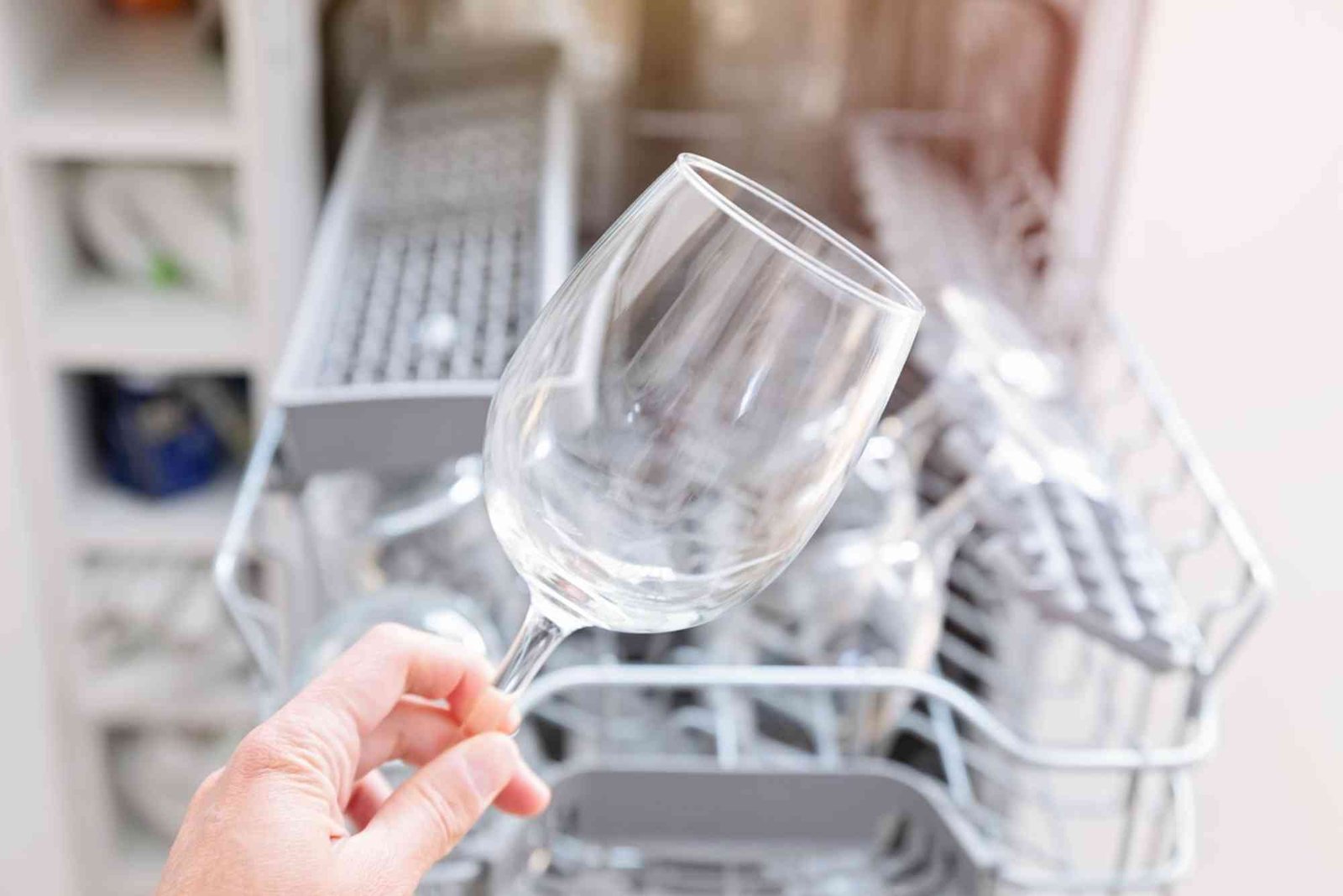
Practical Tips: Why Dishwashers Leave Streaks On Glassware
Glassware that comes out of the dishwasher with streaks or spots can be frustrating. Many homeowners wonder why their glasses, which seemed clean, appear cloudy or spotted after washing. Understanding the reasons behind these streaks can help you prevent them and ensure your glassware shines after every cycle. In this article, we provide practical tips on why dishwashers leave streaks on glassware and how to fix them effectively.
Common Causes of Streaks on Glassware
Hard Water Deposits
Hard water is one of the most common culprits behind streaks. It contains high levels of minerals like calcium and magnesium, which can leave white or cloudy marks on your glasses. These minerals may not dissolve completely during the dishwasher cycle, especially if the water is very hard or the detergent is ineffective.
Detergent Issues
Using the wrong type or amount of detergent can result in streaking. Powder detergents may not dissolve fully, leaving residues on glassware. Similarly, using too little detergent may not break down grease and minerals effectively. On the other hand, overusing detergent can leave a soap film that creates streaks.
Rinse Aid Deficiency
Rinse aid is crucial for a spotless finish. It helps water sheet off glass surfaces rather than forming droplets that leave streaks. Without it, glasses may come out with watermarks or cloudy patches.
Incorrect Dishwasher Loading
Overcrowding your dishwasher can block water jets and prevent proper rinsing. When glasses touch each other or are placed in an improper position, water cannot flow freely, leaving streaks and spots.
Low Water Temperature
Dishwashers require hot water to dissolve detergent and remove grease. If the water is too cold, soap residue can remain on glasses. Ideally, water entering the dishwasher should be at least 120°F (49°C) for optimal cleaning.
Practical Tips to Prevent Streaks
Use the Right Detergent
Choose a high-quality detergent suitable for your water type. If you have hard water, look for a detergent with built-in water softening agents. Consider trying gel detergents for delicate glassware, as they often dissolve more completely.
Add Rinse Aid Regularly
Ensure your dishwasher’s rinse aid dispenser is full and refill it as needed. Rinse aid prevents water droplets from sticking and reduces cloudiness. Some modern dishwashers also have automatic rinse aid settings that adjust based on load size and water hardness.
Optimize Dishwasher Loading
Avoid overcrowding. Place glasses securely on the top rack, away from heavy pots and pans. Why Dishwashers Leave Streaks On Glassware Ensure that each glass is spaced properly to allow water to reach all surfaces. Tilt glasses slightly to let water drain completely.
Check Water Temperature
Run your hot water tap before starting the dishwasher to ensure hot water fills the machine. Using a dishwasher with a built-in heating element can also improve detergent efficiency and reduce streaking.
Clean Your Dishwasher Regularly
Residue buildup inside the dishwasher can transfer to glassware. More details Clean filters, spray arms, and door seals regularly to prevent mineral deposits and soap films from affecting your dishes.
Use a Water Softener
If hard water persists, consider installing a water softener. Softened water reduces mineral deposits and can improve detergent performance, leaving your glassware crystal clear.
Advanced Tips for Sparkling Glassware
Vinegar Rinse
A vinegar rinse can help remove stubborn mineral deposits. Simply place a cup of white vinegar on the top rack and run a short cycle. This method naturally dissolves mineral buildup without harsh chemicals.
Avoid Pre-Rinsing
Modern detergents are designed to work best with some food residue. Pre-rinsing can dilute detergent, reducing its cleaning power and increasing streaks.
Select the Right Cycle
Glassware requires gentle cycles to prevent etching and water spots. Many dishwashers offer a “glass” or “light wash” setting designed specifically for delicate items.
Hand Polishing
For the occasional stubborn streak, hand polishing with a microfiber cloth after washing can restore sparkle. Always handle glasses gently to avoid scratches.
gentlelakes.com offers a serene online experience, connecting visitors with tranquil lakeside destinations and nature escapes. Explore peaceful retreats, scenic views, and relaxing activities that rejuvenate the mind and body. Perfect for those seeking calm, beauty, and a gentle touch of nature in everyday life.
FAQ: Practical Tips: Why Dishwashers Leave Streaks On Glassware
Why do my glasses come out cloudy even with detergent?
Cloudiness is often caused by hard water or low water temperature. Using the right detergent and rinse aid, combined with hot water, usually fixes this issue.
Can vinegar prevent streaks in the dishwasher?
Yes, vinegar can remove mineral deposits and improve shine. Place a small cup on the top rack and run a cycle occasionally for best results.
Should I hand wash delicate glasses instead of using a dishwasher?
Delicate or thin glassware may etch or streak in dishwashers. Using the “glass” cycle or hand washing can preserve clarity and prevent damage.
How does water hardness affect dishwasher results?
High mineral content in hard water leaves white streaks and spots on glassware. Using a water softener or specialized detergent helps reduce these issues.
Is it necessary to use rinse aid every time?
Rinse aid is highly recommended to prevent water spots and streaks, especially in areas with hard water. Regular refills ensure consistent results.
Can overloading the dishwasher cause streaks?
Yes. Overcrowding blocks water flow, preventing detergent from reaching all surfaces. Proper loading ensures glasses get thoroughly cleaned.
How often should I clean my dishwasher?
Cleaning filters, spray arms, and interior surfaces every few weeks prevents residue buildup that can transfer streaks onto glassware.
Dishwasher streaks on glassware are a common but solvable problem. From hard water and detergent issues to improper loading and rinse aid use, small adjustments can make a big difference. By following these practical tips, your glasses can come out sparkling and streak-free every time.
If you want to dive deeper into keeping your glassware pristine, check out our Related Blog article for expert advice. Implement these tips today and enjoy spotless glassware in every wash. For more details on maintaining a streak-free dishwasher experience, explore our comprehensive guide.