Cooking with a gas stove is a cornerstone of many kitchens, offering precise heat control and immediate flame response. However, many homeowners notice that their gas stoves often produce excessive heat, making cooking challenging and sometimes unsafe. Understanding the reasons behind this issue is crucial for both kitchen efficiency and safety. This article explores practical tips and insights into why gas stoves generate more heat than expected and how you can manage it effectively.
Understanding Gas Stove Heat Production
A gas stove relies on the combustion of natural gas or propane to generate heat. The intensity of the flame depends on the gas pressure, burner design, and oxygen flow. When a stove produces excessive heat, it’s not just about cooking speed—it can indicate underlying issues. Excessive heat can cause uneven cooking, burn your food, and increase your kitchen temperature uncomfortably. Recognizing the factors behind this phenomenon is the first step in controlling it.
The Role of Gas Pressure
Gas stoves are connected to a supply line regulated by gas pressure. If the pressure is higher than recommended, the flame burns hotter and faster. This can happen due to faulty regulators or improper installation. High gas pressure not only increases heat output but also wastes energy and can be a safety hazard. Regular maintenance checks on your gas line can prevent these issues and keep your cooking experience safe and efficient.
Burner Design and Efficiency
The design of your stove’s burners significantly impacts heat distribution. Some burners focus energy on a small area, creating intense heat, while others spread the flame more evenly. Over time, burners can accumulate debris or suffer wear and tear, leading to hotter, uneven flames. Cleaning your burners regularly and ensuring proper alignment helps regulate heat output and improves cooking consistency.
Environmental Factors in Your Kitchen
Your kitchen environment can influence how a gas stove feels. Poor ventilation, small spaces, or reflective surfaces can trap heat, making it seem excessive. Adequate airflow and proper exhaust systems help disperse heat, maintain comfortable cooking conditions, and prevent your stove from overheating your entire kitchen. Incorporating vents or range hoods can significantly improve comfort during cooking.
Practical Tips to Control Excessive Heat
Managing a gas stove’s heat doesn’t always require technical interventions. Simple, practical measures can make a big difference.
Adjusting Flame Size
One of the easiest ways to control heat is by adjusting the flame manually. Flames that are too large or extend beyond the bottom of your cookware waste energy and create excessive heat. Keep the flame just under the pot or pan for optimal cooking. This not only saves fuel but also reduces unnecessary kitchen heat, ensuring your meals cook evenly.
Proper Cookware Selection
The type of cookware you use influences heat absorption. Thin, lightweight pans heat quickly, often creating higher-than-needed temperatures. Using thicker, heavy-bottomed pans distributes heat more evenly and reduces hotspots. Materials like stainless steel or cast iron can absorb and retain heat, preventing sudden temperature spikes and giving you better control over cooking.
Regular Stove Maintenance
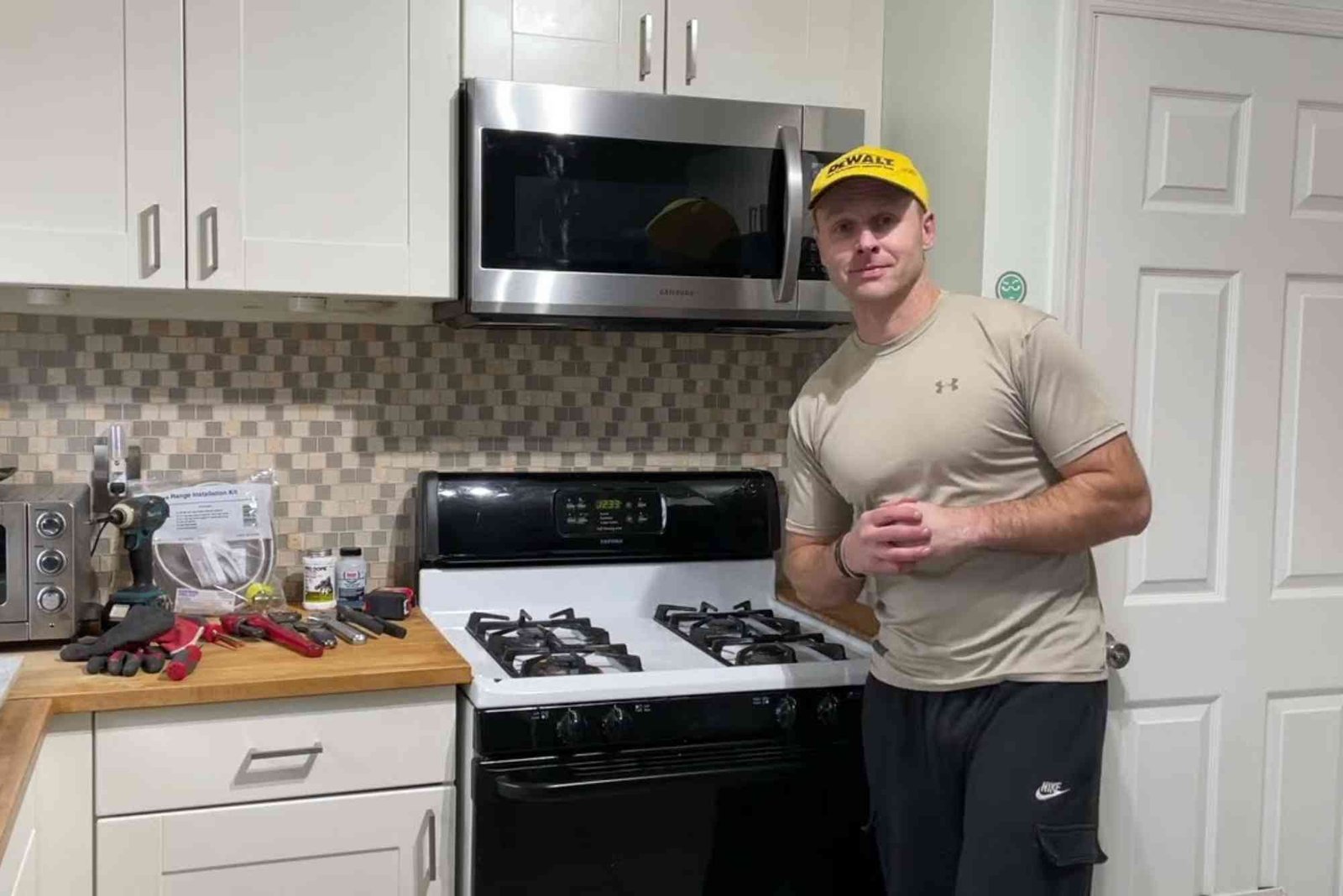
Maintenance is essential to prevent heat issues. Gas stoves can accumulate grease, debris, and mineral deposits, which obstruct the burners and cause higher flame intensity. Cleaning burner ports and inspecting the gas line regularly ensures flames remain balanced and heat output stays within safe limits. Professionals can also perform periodic checks to ensure optimal performance.
Ventilation and Kitchen Layout
Heat management extends beyond the stove itself. Proper ventilation reduces the perceived heat in your kitchen. Range hoods, ceiling fans, and open windows help remove excess warmth and improve air circulation. In small kitchens, keeping surfaces clear and avoiding clustering appliances around the stove can minimize heat retention.
Safety Considerations with Excessive Stove Heat
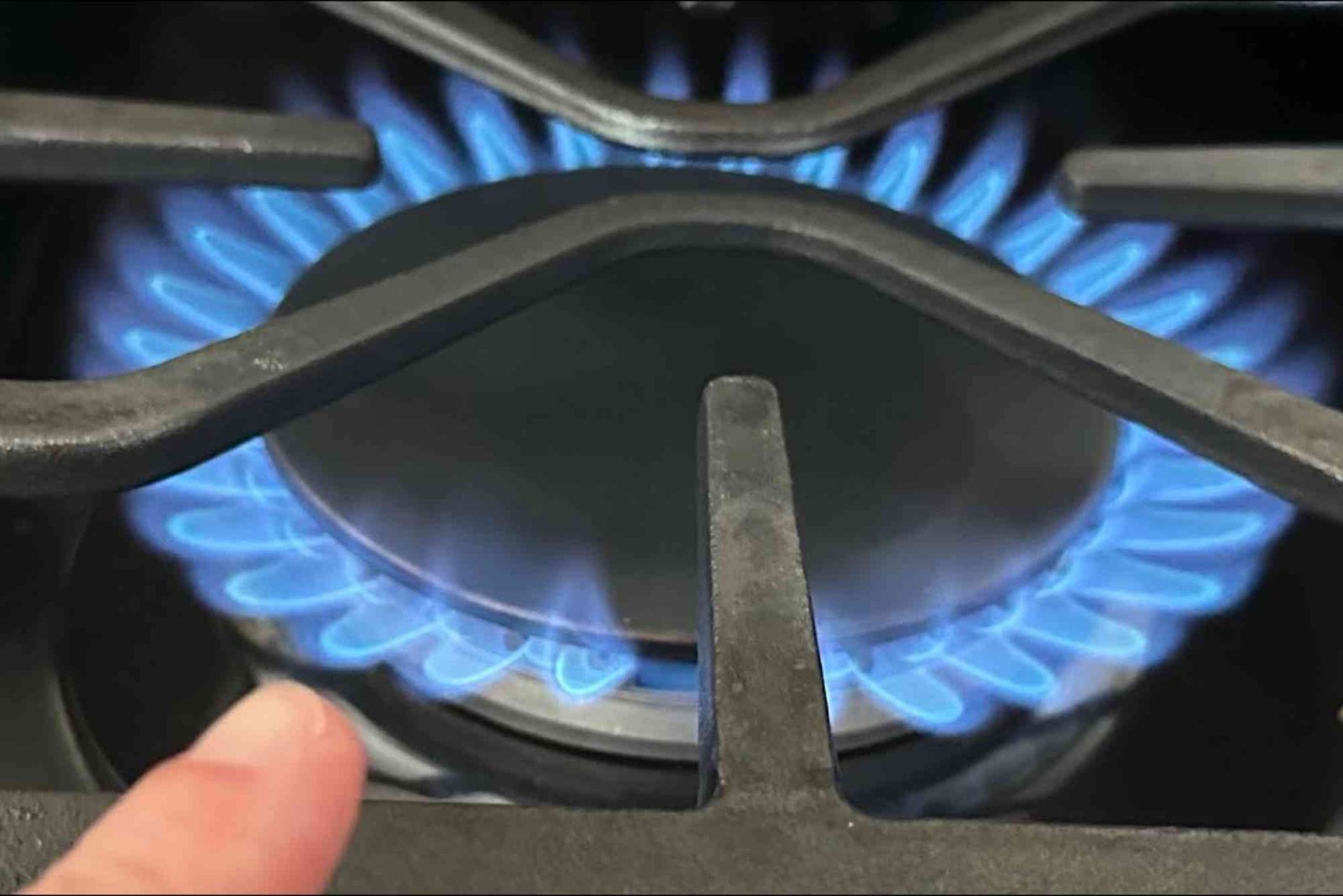
Excessive heat isn’t just uncomfortable—it can be hazardous. High flame temperatures increase the risk of burns, accidental fires, and even gas leaks. Always monitor the flame color; a bright blue flame indicates proper combustion, while yellow or orange flames suggest incomplete combustion, which can be dangerous. Safety precautions such as keeping flammable materials away and using flame guards or heat shields can reduce risks.
Energy Efficiency and Cooking Comfort
Managing excessive stove heat also saves energy. Overheating not only affects your kitchen comfort but also wastes gas. Adjusting flame size, using suitable cookware, and maintaining your stove can lower energy consumption. Over time, these small adjustments improve efficiency, lower bills, and make cooking more enjoyable.
Common Myths About Gas Stove Heat
Many homeowners assume a hotter flame always cooks food faster. In reality, excessive heat can burn food on the outside while leaving the inside undercooked. Another misconception is that professional stoves are immune to heat issues. Even high-end models can overheat if gas pressure, burner alignment, or ventilation isn’t properly managed. Understanding the science behind your stove helps debunk these myths and encourages safer cooking practices.
When to Call a Professional
If you’ve tried adjusting the flame, cleaning burners, and improving ventilation but still notice excessive heat, it may be time to call a certified technician. Professionals can check gas pressure, inspect the line, and replace faulty components to restore optimal heat control. Ignoring persistent heat issues may lead to costly repairs or safety hazards, so prompt attention is essential.
Excessive heat from a gas stove can be frustrating, but understanding the causes and implementing practical tips can make cooking safer, more efficient, and enjoyable. Adjust flame size, choose proper cookware, maintain your stove, and ensure adequate ventilation to manage heat effectively. By taking these steps, you enhance both kitchen safety and cooking quality.
If you want to learn more about efficient cooking methods or energy management, check out our Related Blog article or explore Why Gas Stove Produces Excessive Heat for deeper insights. For general safety guidance, see More details.
FAQ
Why does my gas stove flame sometimes turn yellow?
A yellow flame indicates incomplete combustion, often due to blocked burners or incorrect gas mixture. Cleaning burners and adjusting air intake can fix this.
Is it safe to cook on a gas stove that feels too hot?
While short-term cooking is usually safe, persistent excessive heat may signal gas pressure issues or faulty burners. Professional inspection is recommended.
Can ventilation really reduce stove heat?
Yes, proper ventilation disperses heat, improves air circulation, and makes your kitchen more comfortable while cooking.
Does using heavy cookware help control stove heat?
Absolutely. Thick, heavy-bottomed pans distribute heat evenly, preventing hotspots and reducing excessive stove temperature.
How often should I maintain my gas stove?
Regular cleaning every few weeks and professional checks once or twice a year keeps burners efficient and prevents excessive heat issues.