Practical Guide: To Fix Refrigerator Evaporator Problems
A refrigerator is an essential appliance in every home, keeping food fresh and beverages chilled. However, one of the most common issues homeowners face is problems with the evaporator. The evaporator plays a crucial role in the cooling system, and when it malfunctions, your refrigerator may stop cooling efficiently or develop ice buildup. This Practical Guide: To Fix Refrigerator Evaporator Problems will help you understand common issues, troubleshooting steps, and safe repair techniques.
Understanding how your refrigerator works and addressing evaporator issues promptly can save both time and money. Whether you are a DIY enthusiast or just want to understand the repair process, this guide provides clear instructions to resolve evaporator problems.
What Is a Refrigerator Evaporator?
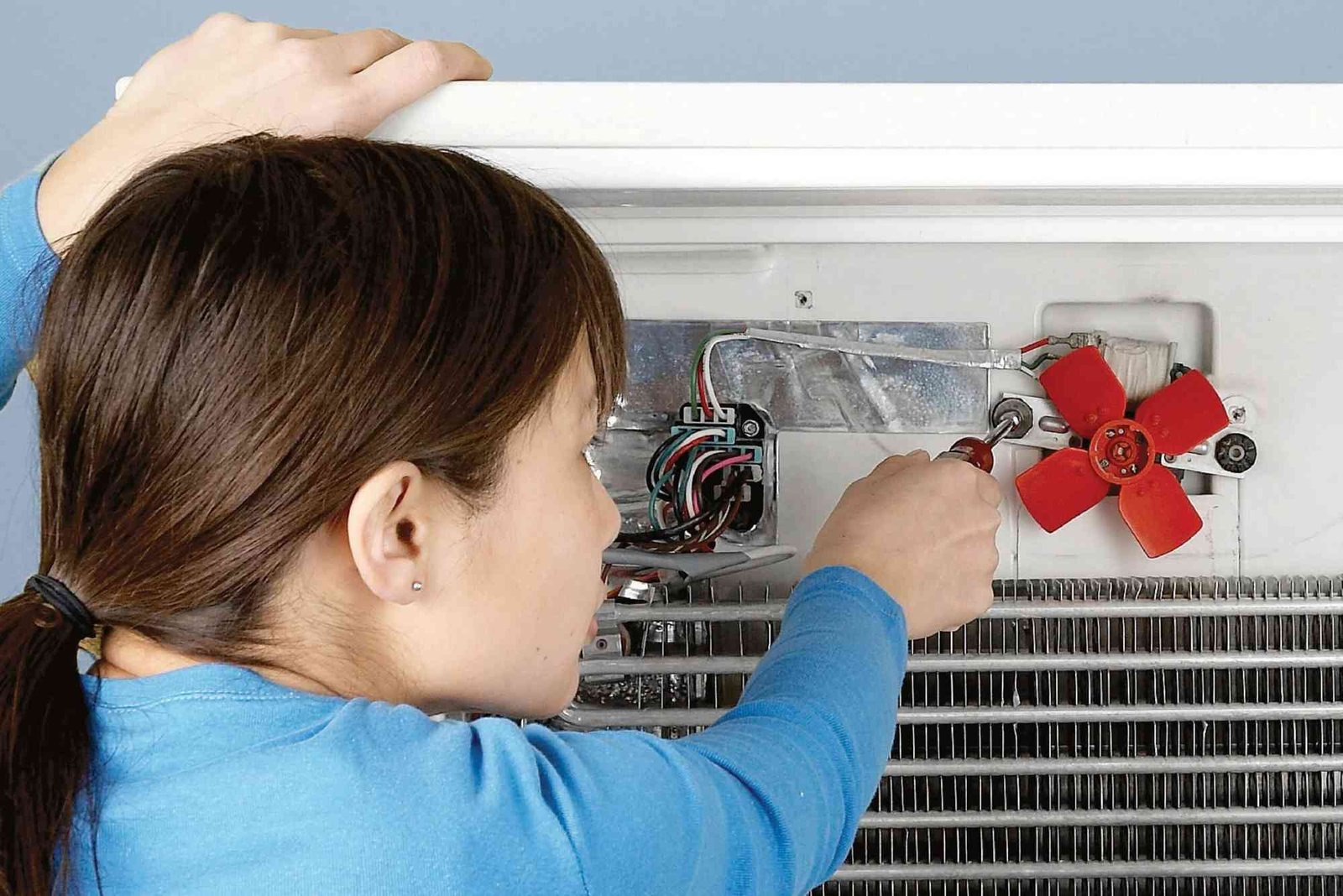
The evaporator is an integral component of a refrigerator’s cooling system. It absorbs heat from inside the fridge and freezer, helping maintain a consistent temperature. Located behind the rear panel of the freezer compartment, it works with the compressor, condenser, and refrigerant to remove heat efficiently.
A properly functioning evaporator ensures even cooling throughout the refrigerator. If the evaporator coil is blocked, iced over, or has a faulty fan, the appliance may fail to maintain desired temperatures, leading to spoiled food.
Key Functions of an Evaporator
-
Absorbing heat from the refrigerator compartment.
-
Circulating cooled air evenly through the appliance.
-
Supporting defrost cycles to prevent ice buildup.
When any of these functions fail, identifying the issue early can prevent more serious problems.
Common Signs of Evaporator Problems
Recognizing evaporator problems early can save your refrigerator from further damage. Some common signs include:
Uneven Cooling
If some areas of your fridge are cold while others are warm, the evaporator might not be circulating air properly.
Ice Buildup
Excessive ice on the evaporator coil indicates a potential defrost system failure. A blocked or frozen coil can stop air circulation, reducing efficiency.
Strange Noises
A faulty evaporator fan may produce buzzing, rattling, or whining sounds, especially when the fridge is running.
Water Leakage
Melting ice from a malfunctioning evaporator can cause water to pool inside the fridge or underneath it.
By monitoring these warning signs, you can take early action to fix the issue before it affects food safety or damages the appliance further.
Practical Steps to Fix Refrigerator Evaporator Problems
Repairing evaporator issues requires caution and proper knowledge of refrigerator components. Here’s a step-by-step guide you can follow safely.
Unplug the Refrigerator
Before beginning any repair, unplug the refrigerator to prevent electric shock. Safety should always be the top priority.
Empty the Compartment
Remove all food, shelves, and drawers to access the evaporator coil. This makes the repair process easier and prevents contamination.
Inspect the Evaporator Coil
Check for frost, ice buildup, or visible damage. A frost-covered coil indicates a defrost failure, while bent fins or leaks may require replacement.
Defrost the Coil
Manual defrosting is a simple and effective solution for minor ice buildup. Leave the fridge unplugged with the door open or use a hairdryer at a safe distance to melt ice. Avoid using sharp tools that could puncture the coil.
Test the Evaporator Fan
The fan circulates cold air. Listen for abnormal noises or check if it spins freely. A faulty fan often requires replacement to restore proper airflow.
Check the Defrost Heater and Thermostat
If ice keeps forming, the defrost heater or thermostat might be faulty. Use a multimeter to test continuity. Replacing the defective component usually resolves persistent ice problems.
Reassemble and Restart
Once all issues are addressed, carefully reassemble the fridge components, plug it in, and monitor its performance over 24 hours. Ensure cooling is consistent and no ice or water leakage occurs.
For detailed troubleshooting of specific models, you can explore How To Fix Refrigerator Evaporator Problems.
Preventive Measures to Avoid Evaporator Problems
Preventing evaporator issues is easier than repairing them. Regular maintenance keeps your refrigerator running efficiently and extends its lifespan.
Clean the Coils Regularly
Dust and debris on the evaporator or condenser coils reduce cooling efficiency. Clean the coils every six months using a soft brush or vacuum.
Maintain Proper Temperature
Set the refrigerator temperature to the manufacturer’s recommended range. Extreme cold can lead to ice buildup, while high temperatures reduce efficiency.
Avoid Overloading
Overloading the fridge restricts airflow, causing the evaporator to work harder and increasing the risk of frost accumulation.
Inspect Door Seals
Damaged door gaskets allow warm air in, forcing the evaporator to overcompensate and increasing the chance of ice formation. Replace seals if they are worn or cracked.
By following these preventive tips, you can reduce the risk of evaporator problems and maintain consistent cooling.
DIY vs. Professional Repair
While minor issues like frost buildup can be handled at home, complex problems such as refrigerant leaks or damaged coils should be addressed by professionals. Attempting advanced repairs without proper knowledge may lead to further damage or safety hazards.
When to Call a Technician
-
Persistent ice buildup after defrosting.
-
Strange noises or broken fan blades.
-
Refrigerant leaks or damaged coils.
Professional technicians have the right tools and expertise to handle complicated repairs safely and efficiently.
For additional insights and technical knowledge, refer to More details.
Benefits of Timely Evaporator Repair
Fixing evaporator problems promptly has several benefits:
-
Restores consistent cooling and food safety.
-
Reduces energy consumption and electricity bills.
-
Prevents water leakage and ice-related damage.
-
Extends the lifespan of the refrigerator.
Ignoring minor issues can result in complete system failure, which is often costlier to repair.
Common Myths About Evaporator Issues
Many homeowners misunderstand evaporator problems. Here are a few common myths:
Myth 1: Frost Always Means a Broken Evaporator
Frost can also result from poor door seals, high humidity, or frequent door opening. Always diagnose the cause before replacing components.
Myth 2: DIY Refrigerant Recharge Is Safe
Handling refrigerant requires certification. Incorrect handling can harm the environment or damage the appliance. Always hire a certified technician.
Myth 3: Evaporator Repairs Are Expensive
Minor issues like fan replacement or coil defrosting are often inexpensive. Early troubleshooting saves money compared to major repairs.
By understanding the facts, you can make informed decisions and avoid unnecessary expenses.
FAQ
Why is my refrigerator evaporator coil freezing?
A: Frost usually forms due to a faulty defrost heater, thermostat issues, or restricted airflow. Regular maintenance prevents freezing.
Can I defrost the evaporator myself?
A: Yes, manual defrosting using a hairdryer or leaving the door open is safe. Avoid sharp tools to prevent damage.
How do I know if the evaporator fan is broken?
A: Listen for unusual noises or check airflow. A non-spinning or noisy fan indicates a problem.
How long does it take to fix evaporator issues?
A: Minor issues like ice buildup may take a few hours. Complex repairs by a technician may take one to two days.
Are evaporator problems covered under warranty?
A: Many manufacturers cover defects, but damage from misuse or neglect may not be included. Always check your warranty terms.
Refrigerator evaporator problems can be frustrating, but they are often manageable with proper knowledge and timely action. By understanding the components, recognizing early warning signs, and following the steps in this Practical Guide: To Fix Refrigerator Evaporator Problems, you can restore your appliance to optimal performance.
Regular maintenance, careful monitoring, and preventive measures not only save money but also extend the life of your refrigerator. If issues persist, seek professional help to avoid costly repairs.
For more guidance on appliance maintenance and related tips, check out our Related Blog article. Taking action today ensures your refrigerator keeps your food safe and your home comfortable.