Introduction
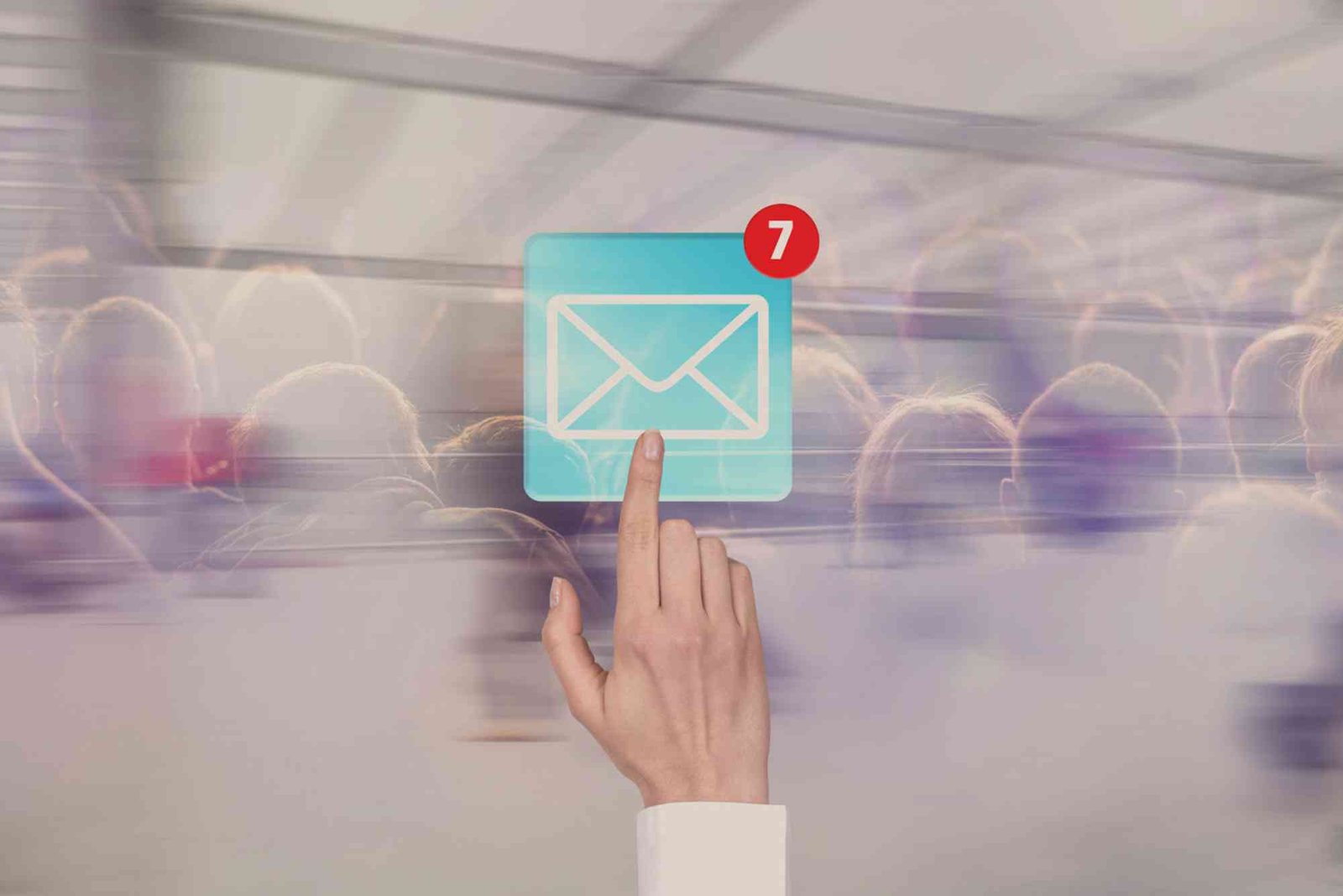
Email marketing remains one of the most effective ways for businesses to engage with their audience. Yet, even the most compelling content will go unread if the subject line fails to capture attention. Understanding how to craft top email subject lines that increase open rates is essential for marketers, entrepreneurs, and anyone seeking to improve their email campaigns. The subject line is your first impression and determines whether a subscriber opens your email or scrolls past it. With inboxes overflowing daily, your subject line must stand out while communicating value clearly and concisely.
Why Email Subject Lines Matter
Email subject lines are more than just a header. They are a critical factor in your email marketing success. On average, 47% of email recipients decide to open an email based solely on its subject line. This makes subject lines one of the most important components of any campaign. A strong subject line not only increases open rates but also boosts engagement, click-through rates, and ultimately conversions. Poorly written subject lines can lead to low engagement, unsubscribes, or your emails landing in spam folders. The right approach involves combining creativity, clarity, and psychology to appeal to your audience’s curiosity and emotions.
The Psychology Behind Effective Subject Lines
The most effective email subject lines tap into human psychology. Curiosity, urgency, personalization, and exclusivity are key motivators. People are naturally drawn to emails that promise to solve a problem, offer something unique, or create a sense of urgency. Personalized subject lines, such as including a subscriber’s name or location, often outperform generic ones. Emotional triggers like excitement, fear of missing out, or joy can also dramatically improve open rates. Understanding your audience’s preferences and pain points allows you to craft subject lines that resonate and drive action.
Characteristics of Top Email Subject Lines
Successful email subject lines share common traits. They are concise, clear, and compelling. Clarity ensures the recipient understands the email’s purpose at a glance, while brevity is critical because mobile users often read emails on small screens. Compelling subject lines pique curiosity or promise value that is too good to ignore. A balance between intrigue and transparency is crucial; misleading subject lines may generate opens but damage trust. Using numbers, emojis, or actionable words can also make your subject lines stand out in crowded inboxes.
Clarity and Brevity
Clarity means your message is understandable in just a few words. Avoid jargon or complex phrasing. Brevity ensures the subject line is visible on mobile devices, where 61% of emails are opened. Short, direct subject lines around 40-50 characters typically perform best. For example, “Boost Your Sales in 7 Days” communicates value and is easy to read on any device.
Personalization
Including the recipient’s name or relevant data increases open rates by making emails feel tailored. Personalization can also involve referencing a subscriber’s previous behavior or preferences. Subject lines like “Maria, Your Exclusive Offer Awaits” feel direct and engaging, creating a connection with the reader.
Urgency and Scarcity
Time-sensitive subject lines encourage immediate action. Using phrases like “Limited Time Offer” or “Ends Tonight” triggers the fear of missing out (FOMO), prompting recipients to open emails promptly. Scarcity also works well for product launches, webinars, or limited-access events, making readers feel they must act now.
Curiosity and Intrigue
Humans are naturally curious, so subject lines that tease a benefit or hint at valuable content without revealing everything are effective. Subject lines like “You Won’t Believe These Marketing Tricks” encourage recipients to click to satisfy their curiosity. However, it’s important not to mislead, as disappointing content can harm your brand’s credibility.
Examples of High-Performing Email Subject Lines
Certain types of subject lines consistently achieve high open rates across industries. Using these examples as inspiration can help craft your own. Informative and actionable subject lines, such as “5 Tips to Improve Your Productivity Today,” clearly show the benefit of opening the email. Subject lines highlighting exclusivity, like “Early Access Just for You,” make the reader feel privileged. List-based subject lines and numbers, such as “7 Strategies to Boost Your Leads,” are easy to scan and promise digestible content. Seasonal and holiday-themed emails also perform well when timely and relevant.
Action-Oriented Words
Verbs drive action. Subject lines that use action-oriented words like “Discover,” “Unlock,” “Boost,” or “Join” encourage readers to engage. Instead of saying “New Product Available,” say “Unlock Your Early Access to Our New Product” to create excitement and urgency.
Emotional Appeal
Emotionally resonant subject lines build a stronger connection with your audience. Emotions like happiness, surprise, or anticipation motivate readers to open emails. A subject line such as “Feel Confident in Just 10 Minutes” appeals to personal aspirations, making it more likely for recipients to engage.
Strategies to Test and Optimize Subject Lines
Even the best subject lines require testing. A/B testing, where two versions of a subject line are sent to a small portion of your audience, helps determine which one performs better before sending to the entire list. Testing variables like length, personalization, emoji use, and wording can uncover what resonates most with your audience. Analyzing metrics such as open rates, click-through rates, and conversions provides insights for continuous improvement. Email marketing platforms like Mailchimp, HubSpot, and ActiveCampaign offer tools for subject line testing and performance tracking.
Avoiding Common Mistakes
Certain pitfalls can lower open rates. Avoid spammy words like “Free” or “Buy Now” excessively, as these can trigger spam filters. Overuse of emojis or all caps can appear unprofessional. Misleading subject lines, while tempting, may generate opens but reduce trust and engagement. Always deliver what the subject line promises to maintain credibility and foster long-term subscriber loyalty.
Crafting a Subject Line Framework
Developing a repeatable framework helps streamline the subject line creation process. Start by identifying the email’s main benefit or purpose. Then choose a style, whether informative, actionable, personalized, or curiosity-driven. Add urgency or exclusivity if relevant. Keep it concise and test variations. Documenting top-performing subject lines from past campaigns can serve as a reference for future emails, ensuring consistent success.
Monitoring and Adapting
Consumer behavior evolves, so subject lines that worked in the past may not perform as well today. Monitoring open rates, engagement patterns, and trends allows marketers to adapt their strategies. Seasonal adjustments, audience segmentation, and personalization refinements help maintain high engagement rates over time. Regular review and optimization are key to staying ahead in competitive inbox environments.
Mastering Top Email Subject Lines
Creating top email subject lines that increase open rates is both an art and a science. It requires understanding your audience, crafting clear and compelling messages, and continuously testing for optimization. By leveraging psychology, personalization, urgency, and actionable language, marketers can maximize the effectiveness of their email campaigns. Start experimenting with subject line frameworks, monitor performance metrics, and adjust your strategies to achieve consistent results. The right subject line can transform your email marketing performance, driving engagement, conversions, and long-term customer loyalty.
Take action today by reviewing your latest campaigns and applying these strategies. With the right subject lines, your emails won’t just be seen—they will be opened, read, and acted upon.
Creating a strong slogan for your brand is key to leaving a lasting impression. Focus on clarity, simplicity, and memorability. Highlight your brand’s unique value, use catchy and positive words, and keep it short so it’s easy to recall. A great slogan connects emotionally with your audience, reflects your brand identity, and sets you apart from competitors, making your brand instantly recognizable and trustworthy.
(FAQ)
What is the ideal length for an email subject line?
The ideal length is typically 40-50 characters. Shorter subject lines are easier to read on mobile devices and attract more attention.
Do personalized subject lines really improve open rates?
Yes. Including the recipient’s name or relevant information can significantly increase open rates by making the email feel tailored and relevant.
How can I create urgency without being pushy?
Use time-sensitive language like “Ends Today” or highlight limited availability. Keep it informative rather than alarmist to maintain trust.
Are emojis effective in subject lines?
Emojis can increase open rates by making your email stand out in crowded inboxes. Use them sparingly and ensure they match your brand tone.
What should I avoid in email subject lines?
Avoid spammy words, excessive capitalization, misleading claims, and irrelevant emojis. Focus on clarity, value, and honesty to maintain credibility.