Introduction
Display technology has transformed rapidly over the past decade, redefining how we interact with digital content. From smartphones and televisions to laptops and virtual reality devices, displays are at the core of modern visual experiences. The evolution of display technology has not only improved image quality but also reshaped design, portability, and user interaction. In this article, we explore the top innovations in display technology, highlighting breakthroughs that are shaping the future of screens across industries.
The Rise of OLED and MicroLED
Organic Light Emitting Diodes, or OLED, have become a mainstream innovation in modern displays. Unlike traditional LCD panels that require backlighting, OLED displays generate light individually at the pixel level. This capability allows for perfect blacks, high contrast ratios, and vibrant colors that bring images to life. OLED technology has found applications in high-end smartphones, televisions, and wearable devices due to its thin, flexible nature and energy efficiency.
Building on the principles of OLED, MicroLED technology introduces even smaller light-emitting diodes to achieve superior brightness, color accuracy, and energy efficiency. MicroLED screens offer remarkable scalability, making them suitable for both large-format displays and compact gadgets. They also promise longer lifespans and higher durability compared to OLED, making them a strong contender for next-generation display devices.
Foldable and Flexible Displays
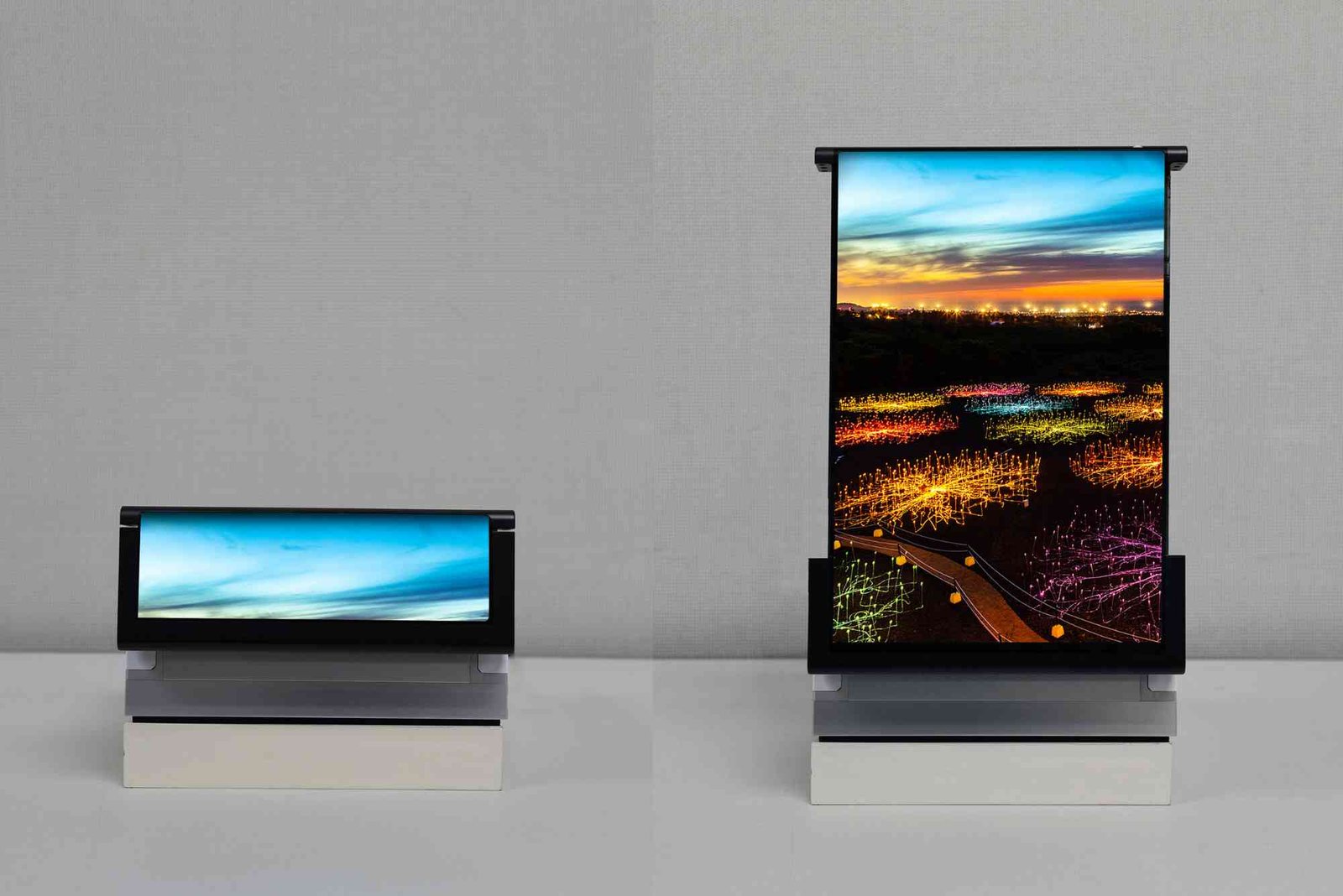
One of the most exciting trends in display technology is the development of foldable and flexible screens. Flexible displays use organic materials and advanced engineering to bend or fold without damaging the pixels. This innovation has enabled smartphones to transform into tablets, providing users with versatile devices that maximize screen real estate without increasing size.
Foldable displays are also influencing laptops, wearables, and even TVs. Manufacturers are experimenting with rollable and stretchable displays that can adapt to different environments, offering unprecedented portability and convenience. These displays demonstrate how technology can break free from rigid constraints, creating products that are both functional and futuristic.
High Dynamic Range and Quantum Dot Enhancement
High Dynamic Range, or HDR, is another transformative innovation that has elevated display performance. HDR technology enhances contrast and color accuracy, allowing screens to display both bright highlights and dark shadows with remarkable detail. This results in more realistic visuals that are closer to what the human eye perceives in the real world.
Quantum Dot technology complements HDR by adding nanometer-sized semiconductor particles to LCD and LED panels. These particles improve color reproduction by emitting precise wavelengths of light. The combination of HDR and Quantum Dots produces displays with more accurate colors, richer details, and greater visual depth, enhancing entertainment, gaming, and professional applications.
8K Resolution and Beyond
Resolution has always been a benchmark for display quality, and 8K technology is pushing boundaries further. With four times the pixels of 4K displays, 8K screens offer stunning clarity, sharpness, and immersive viewing experiences. While content availability is still growing, 8K displays have significant potential in medical imaging, professional design, and cinematic production, where every detail matters.
Higher resolutions also drive improvements in upscaling algorithms. Modern displays use AI-powered techniques to enhance lower-resolution content, ensuring that users enjoy crisp visuals even when native 8K content is unavailable. This convergence of resolution and AI innovation highlights the ongoing pursuit of realism in display technology.
Mini-LED Backlighting
Mini-LED technology has emerged as a game-changer for LCD displays. Unlike conventional LED backlighting, Mini-LED uses thousands of smaller LEDs to illuminate the screen with greater precision. This approach enhances contrast, reduces blooming, and improves overall brightness. Mini-LED displays deliver near-OLED levels of performance while maintaining the durability and lower cost advantages of LCD technology.
Mini-LEDs are particularly effective for large-format televisions and professional monitors. They ensure consistent brightness across the screen, making them ideal for applications where visual fidelity is critical, such as photo and video editing. By combining Mini-LED backlighting with HDR and wide color gamut technologies, manufacturers achieve an unprecedented level of visual realism.
Advanced Refresh Rates and Adaptive Displays
Refresh rate innovations have significantly impacted gaming, virtual reality, and high-performance computing. High refresh rates, such as 120Hz, 144Hz, and beyond, reduce motion blur and provide smoother visuals, enhancing the overall user experience. Adaptive refresh rate technology dynamically adjusts the refresh rate based on content, balancing performance and power efficiency.
For gamers and professionals, these advancements mean fluid motion, faster response times, and reduced eye strain. Adaptive displays are also beneficial for mobile devices, where battery life and visual performance must coexist. By intelligently syncing refresh rates with user activity, these displays maximize efficiency without compromising visual quality.
Transparent and Augmented Reality Displays
Transparent displays represent an entirely new approach to how screens can integrate with the environment. By allowing viewers to see content overlaid on real-world objects, transparent displays enable innovative applications in retail, automotive, and smart home solutions. For instance, smart windows, interactive advertising panels, and car dashboards can present information without obstructing the user’s view.
Augmented reality (AR) displays take this concept further by blending digital information with the physical world. AR displays in headsets, glasses, and mobile devices provide interactive, context-aware experiences. These technologies rely on precise display calibration, high brightness, and responsive touch or gesture inputs to ensure seamless integration with reality.
Energy-Efficient and Sustainable Displays
Sustainability is becoming a priority in display innovation. New technologies focus on reducing power consumption while maintaining high image quality. OLED and MicroLED displays are more energy-efficient than traditional LCDs, and advancements in backlighting, panel materials, and adaptive brightness further minimize energy use.
In addition to efficiency, manufacturers are exploring recyclable materials, low-impact production processes, and longer-lasting displays. Energy-efficient screens not only reduce operational costs but also contribute to environmental conservation, aligning with global efforts toward sustainable technology development.
The Future of Display Technology
The future of display technology promises a blend of realism, interactivity, and versatility. With ongoing research in holographic displays, light-field technology, and ultra-high-resolution panels, screens will continue to redefine human interaction with digital content. Devices are expected to become thinner, more flexible, and capable of delivering immersive experiences across entertainment, education, and professional fields.
Display innovation is no longer just about better pixels; it’s about creating adaptable, intelligent, and sustainable visual solutions. As manufacturers push the limits of what is possible, consumers can look forward to a new era of screens that are brighter, smarter, and more responsive than ever before.
Sports technology is evolving rapidly, transforming the way athletes train, compete, and recover. From wearable devices tracking performance to AI-driven analytics and smart equipment, these innovations enhance precision, safety, and strategy in every sport. Fans also benefit through immersive experiences like VR and AR. Discover the latest breakthroughs shaping modern sports Top Technology Innovations in Sports.