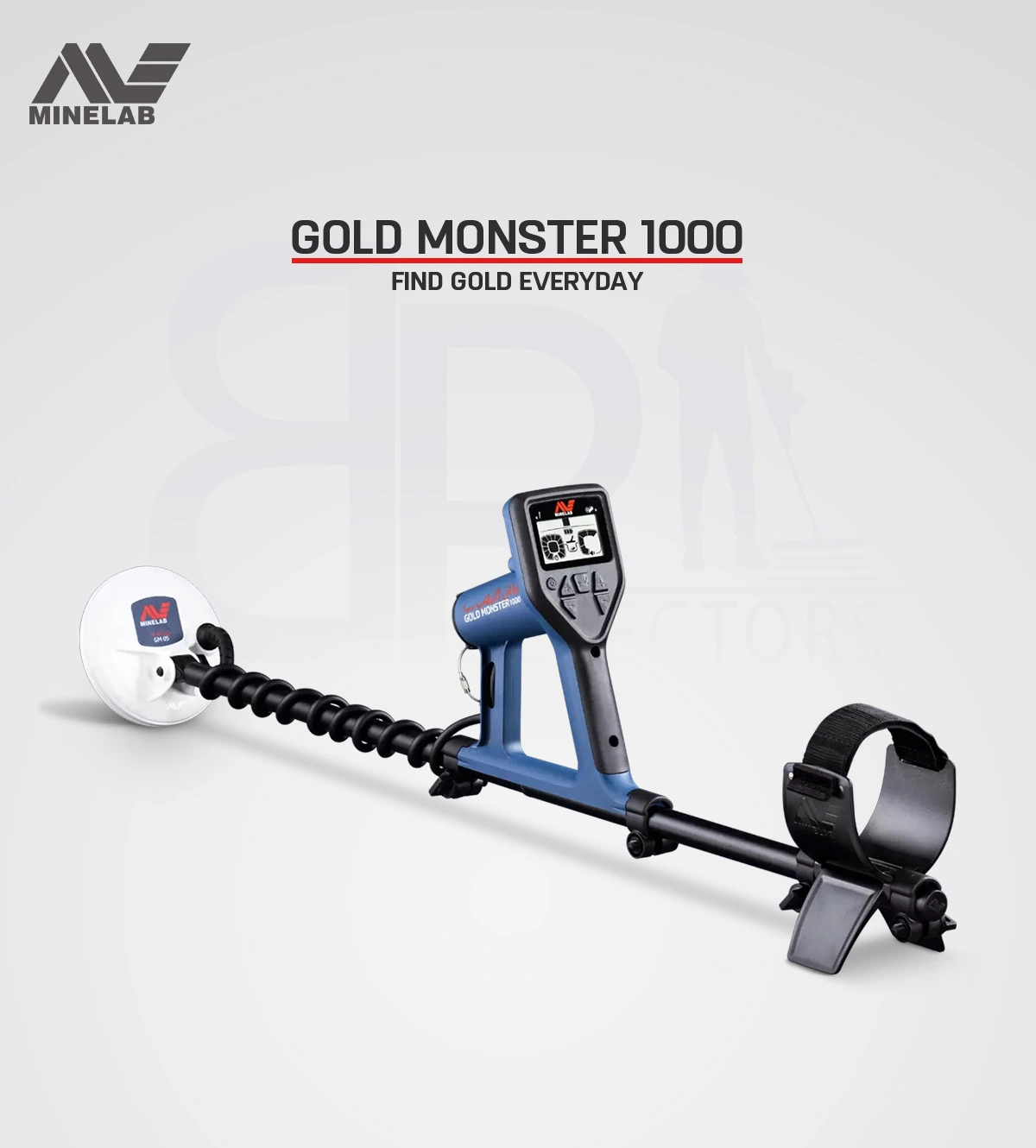


Saltwater beaches and coastal regions have always been attractive spots for treasure hunters and detectorists. The lure of lost jewelry, coins, and even historical relics keeps enthusiasts returning to the shoreline with their machines. However, detecting in saltwater areas is one of the most challenging environments due to high mineralization, changing tides, and the conductivity of salt itself. This raises a common question: are pulse induction detectors the right choice for saltwater areas, or should hobbyists stick with other technologies?
In this article, we’ll take a closer look at how pulse induction (PI) detectors function, why they’re often recommended for saltwater use, and when they might not be the perfect fit. I’ll also share insights into specific models such as the Hurricane Z5 that stand out in these conditions.
How Pulse Induction Technology Handles Saltwater
Traditional metal detectors, particularly those using very low frequency (VLF) technology, struggle in saltwater conditions. The mineralized sand and salt content create constant interference, leading to false signals and frustration. This is where pulse induction detectors show their strength.
PI detectors work by sending short, powerful bursts of current through the search coil and then measuring the time it takes for signals to decay. Unlike VLF detectors, they are far less affected by ground mineralization and salt conductivity. This makes them much more stable and reliable in coastal environments, especially where saltwater waves continuously saturate the sand.
Detectorists who hunt beaches regularly often find that PI machines reduce noise, allowing them to focus on deeper and more accurate signals. While they may pick up more targets overall—including junk—they offer the consistency that saltwater hunters demand.
The Role of Depth and Sensitivity
One of the main reasons saltwater hunters favor pulse induction technology is depth penetration. PI machines are designed to search deeper than most VLF detectors, meaning valuable items that have sunk under wet sand or shifted with tides are still within reach.

The Hurricane Z5 is an excellent example of a detector built for this type of performance. It combines deep ground penetration with strong resistance to mineral interference, making it suitable for wet sands and shallow saltwater areas. This balance of depth and stability is what sets PI detectors apart from standard models when hunting in coastal environments.
However, one trade-off with pulse induction technology is sensitivity to very small targets. While they excel at finding larger objects deeper underground, smaller jewelry items or thin gold chains can sometimes be missed compared to high-frequency VLF detectors. Serious hobbyists often weigh this factor carefully, depending on whether they prioritize depth or fine-detail detection.
Advantages of Using PI Detectors in Saltwater
Using a PI detector at the beach comes with several distinct advantages. The first is the stability it provides in highly mineralized sand. Unlike VLF machines, you don’t have to constantly adjust ground balance to compensate for salt interference. This makes the detecting process smoother and less time-consuming.
Another major advantage is versatility. PI detectors are not just limited to saltwater beaches. They can also be used in other mineral-rich areas such as volcanic soil, deserts, and even certain gold-bearing regions. This means one machine can serve multiple purposes across environments.
For treasure hunters who value depth and stability over fine precision, PI technology often feels like a reliable partner, ensuring fewer wasted swings and more productive hunts.
When PI Detectors Might Not Be Ideal
Despite their strengths, pulse induction detectors are not perfect for every scenario. One of their main drawbacks is limited discrimination ability. Unlike VLF detectors that can distinguish between different types of metals with some accuracy, PI machines tend to pick up nearly everything.
This can be frustrating in beaches cluttered with bottle caps, nails, or aluminum debris. Hunters using PI detectors often spend more time digging unwanted targets, which can be tiring during long sessions.
Another limitation is price. PI machines generally cost more than entry-level VLF detectors, so they may not be the best option for casual hobbyists who only detect occasionally. Instead, they are best suited for serious enthusiasts or professionals who plan to detect regularly in tough environments.
Balancing Expectations with Equipment Choice
The decision to use a PI detector for saltwater comes down to personal goals and detecting style. If you are primarily targeting deep relics, coins, or larger jewelry lost under shifting sands, PI technology is a perfect fit. On the other hand, if your focus is on surface-level jewelry hunting where precision and discrimination matter most, a high-frequency VLF machine might still have an edge.
Professional beach hunters often carry both types of detectors—using a PI model for deeper searches and a VLF machine for more precise hunts near shorelines. This balanced approach ensures maximum coverage and efficiency.
Conclusion
So, are pulse induction detectors suitable for saltwater areas? The answer is yes, especially for those who want reliable performance in highly mineralized conditions and deeper detection. Machines like the Hurricane Z5 show how PI technology can thrive in environments where other detectors falter.
Still, users must be prepared for trade-offs, including less discrimination and higher costs. For many serious detectorists, the benefits outweigh the limitations, making PI detectors a trusted tool for saltwater treasure hunting.