

Introduction
When sourcing plastic mold parts, one of the most critical steps is verifying the manufacturer’s credibility. Choosing the wrong supplier can result in poor-quality molds, production delays, and financial losses. For businesses in the manufacturing and product design sectors, understanding how to verify a plastic mold parts manufacturers’ credibility is essential. This guide will walk you through practical, expert-approved methods to ensure you partner with reliable and professional suppliers.
Understanding Manufacturer Credibility
Manufacturer credibility is more than just a professional website or impressive catalog. It reflects a company’s ability to deliver consistent quality, meet deadlines, and comply with industry standards. For plastic mold parts, this credibility ensures your products maintain structural integrity, precise dimensions, and durability.
Why Credibility Matters
A credible manufacturer minimizes risks, such as production errors, defective molds, and supply chain disruptions. They also provide technical support and transparency in their processes, which is invaluable for businesses relying on tight tolerances and high-quality components.
Steps to Verify a Plastic Mold Parts Manufacturer
Verifying a manufacturer involves research, communication, and validation. Below are practical steps that can help you make informed decisions.
Check Certifications and Industry Standards
Most credible manufacturers hold certifications like ISO 9001 or industry-specific approvals. These certifications demonstrate adherence to quality management standards and manufacturing best practices. Always request proof of certifications and verify their authenticity with the issuing bodies.
Assess Manufacturing Capabilities
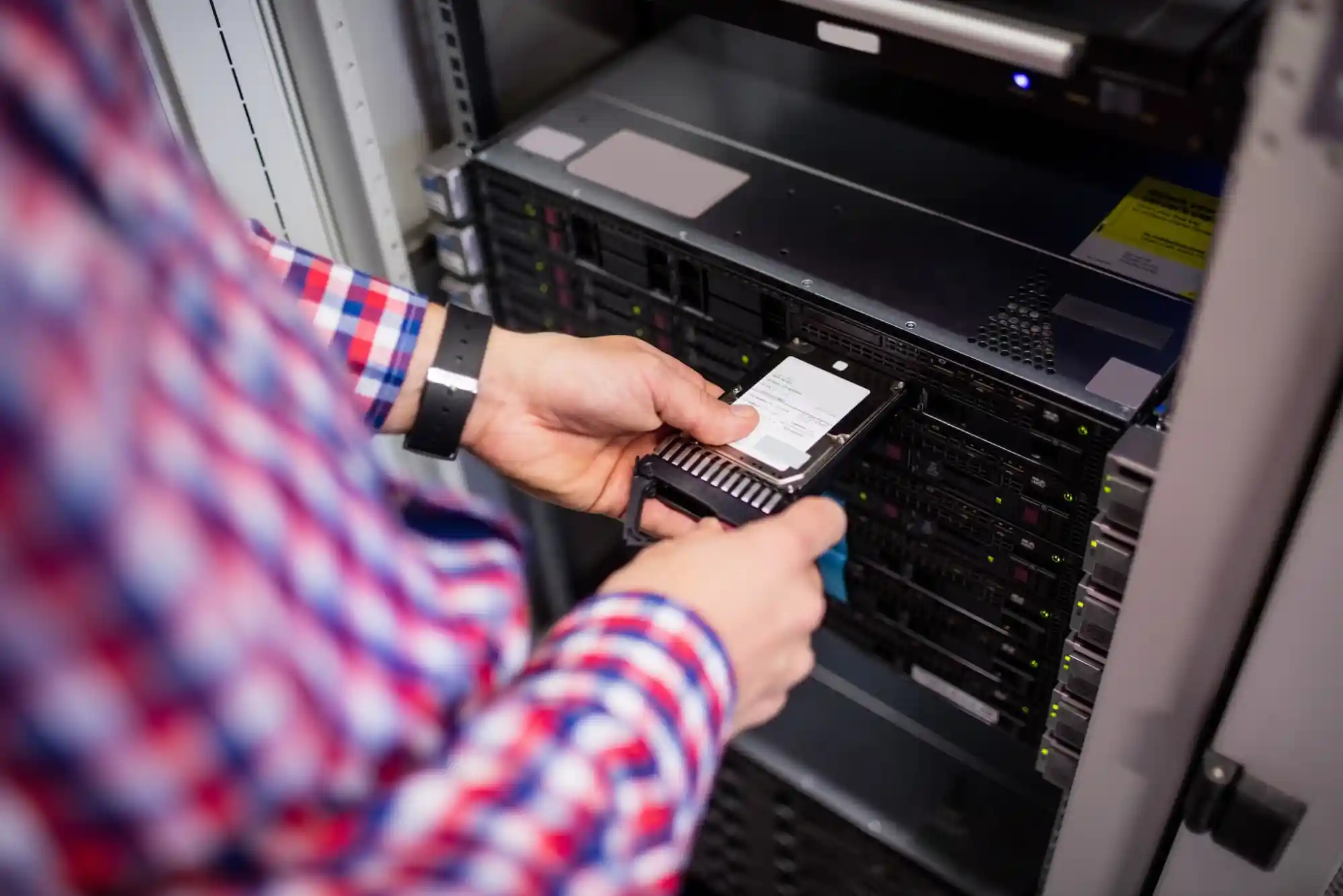
Visit the manufacturer’s facility, if possible, or request a virtual tour. Examine their machinery, production lines, and quality control processes. A manufacturer with modern, well-maintained equipment and skilled technicians is more likely to produce high-precision molds.

Review Past Projects and Client References
Ask for case studies, project portfolios, or client testimonials. This provides insight into the manufacturer’s experience and reliability. Contacting previous clients directly can reveal details about delivery timelines, product quality, and after-sales support.
Analyze Financial Stability
A financially stable manufacturer is less likely to experience disruptions that could affect your orders. Request financial statements or look for indicators of stability, such as long-term partnerships and consistent market presence.
Evaluate Communication and Transparency
Credible manufacturers communicate clearly, provide detailed quotes, and are transparent about lead times and production limitations. Poor communication is often a warning sign of unreliable service.
Conduct Sample Testing
Before committing to bulk production, request sample parts. Evaluate them for material quality, precision, and durability. This step provides a practical assessment of the manufacturer’s capabilities.
Using Online Resources for Verification
The internet provides valuable tools to check credibility. Websites, industry forums, and business directories can reveal insights about suppliers.
Manufacturer Websites and Social Media
Examine the company website for professionalism, clear contact information, and technical documentation. Social media presence can indicate active engagement with clients and industry developments.
Third-Party Reviews and Ratings
Check third-party platforms for reviews and ratings. Look for recurring positive feedback about quality and timely delivery. Be cautious of overly perfect reviews, as they may be fabricated.
Industry Associations and Trade Shows
Membership in industry associations or participation in trade shows signals commitment to standards and networking within the industry. It’s a reliable indicator of credibility.
Legal and Compliance Checks
Ensure the manufacturer complies with local and international regulations. Verify business licenses, tax registration, and environmental compliance. Manufacturers ignoring legal obligations may risk your project’s continuity.
Intellectual Property Protection
If your product design is proprietary, confirm the manufacturer has measures to protect your intellectual property. Signed agreements and strict internal protocols demonstrate responsibility and trustworthiness.
Warranty and Support Policies
Review warranty and after-sales support policies. A credible manufacturer offers clear guarantees and is willing to address issues promptly.
Red Flags to Watch Out For
Even experienced buyers can be misled. Common warning signs include inconsistent pricing, reluctance to provide references, lack of certifications, and poor quality samples. Avoid rushing into agreements without thorough verification.
Tools to Streamline Verification
Several tools simplify the verification process: online business registries, certification verification platforms, and supply chain auditing services. Using these tools ensures that the information you receive is accurate and up-to-date.
Verifying plastic mold parts manufacturers’ credibility is a vital step for ensuring quality, reliability, and long-term business success. By carefully assessing certifications, capabilities, references, financial stability, and communication practices, you reduce the risk of costly mistakes. Take proactive measures, conduct sample tests, and use online verification tools for added assurance.
When done correctly, this process leads to strong partnerships and high-quality plastic mold parts that meet your exact specifications. For more guidance on working with suppliers and improving production quality, read our Related Blog article or explore More details. Start today by learning How To Verify A Plastic Mold Parts Manufacturers Credibility.
FAQs
How can I check if a plastic mold manufacturer is reliable?
Check their certifications, client references, production capabilities, and past project portfolios. Sample testing is also crucial.
What certifications should a credible manufacturer have?
ISO 9001, industry-specific quality approvals, and environmental compliance certifications are common indicators of credibility.
Why is financial stability important?
Financially stable manufacturers are less likely to delay production or face operational disruptions, ensuring consistent supply.
Can online reviews be trusted?
Reviews are useful but should be cross-checked with references and verified clients to avoid misleading information.
Is visiting the manufacturer necessary?
While not always required, visiting or conducting a virtual tour provides firsthand insight into their processes and capabilities.