Introduction
When it comes to real estate, homeowners and investors know that the value of a property is influenced by more than just its size, layout, or finishes. One of the most critical factors is the neighborhood in which the home is located. Even the most beautifully renovated house may struggle to achieve its full market potential if the surrounding area lacks desirable features. Understanding the top neighborhood features that increase home value can help homeowners make informed decisions, whether buying, selling, or investing. From community amenities to safety and accessibility, these characteristics significantly impact property prices and long-term appeal.
Safety and Low Crime Rates
Safety is often the first aspect buyers consider when evaluating a neighborhood. A community with low crime rates not only provides peace of mind but also contributes to the property’s market value. Buyers are willing to pay a premium for homes in areas where they feel secure. Neighborhoods with active community policing, well-lit streets, and low incidences of theft or vandalism consistently maintain higher property values. Moreover, a safe environment attracts families, which often leads to more stable and long-term residents. This stability, in turn, positively affects home values, as turnover rates decrease and community cohesion strengthens.
Quality Schools and Educational Facilities
Access to high-performing schools is a major factor that influences home prices. Neighborhoods with top-rated public or private schools attract families who prioritize education, making homes in these areas highly sought after. Schools with excellent reputations often lead to higher demand, which drives up property values. Beyond primary and secondary education, neighborhoods with nearby colleges or universities can also benefit from increased property demand. In addition, educational programs, extracurricular activities, and community engagement initiatives enhance the overall perception of the neighborhood. Even for buyers without children, proximity to quality schools can indicate a well-maintained and family-friendly community, boosting desirability.
Accessibility and Transportation Options
A neighborhood’s connectivity plays a crucial role in determining home value. Areas with easy access to major highways, public transportation, and commuter routes tend to attract buyers looking for convenience. Efficient transportation reduces commute times and enhances quality of life, which can increase a home’s marketability. Walkability is also an increasingly important factor. Neighborhoods with pedestrian-friendly streets, bike lanes, and nearby amenities such as grocery stores, cafes, and parks are highly valued. Buyers are drawn to communities where daily errands can be accomplished without a car, contributing to higher property demand and sustained home value growth.
Community Amenities and Recreational Facilities
Neighborhoods that offer a variety of amenities and recreational facilities often see higher home values. Parks, playgrounds, sports fields, walking trails, and community centers provide residents with opportunities for social interaction, exercise, and relaxation. Access to well-maintained green spaces is particularly appealing to families and retirees. Fitness centers, swimming pools, and tennis courts further enhance a community’s attractiveness. Local amenities like shopping centers, restaurants, and cultural venues contribute to a vibrant lifestyle, making the neighborhood more desirable. These features create a sense of community, encourage outdoor activity, and provide convenience, all of which can positively impact home prices.
Strong Local Economy and Employment Opportunities
The economic health of a neighborhood affects property values more than many realize. Areas with strong local economies, low unemployment rates, and diverse job opportunities tend to maintain higher home values. Residents value proximity to employment centers, as it reduces commute times and enhances financial stability. Additionally, thriving local businesses and services increase the attractiveness of the area. Neighborhoods with consistent job growth and economic development initiatives are more likely to see property appreciation over time. Investors and homebuyers alike consider the potential for economic growth when evaluating a neighborhood, making it a critical factor in increasing home value.

Aesthetics and Overall Neighborhood Appeal
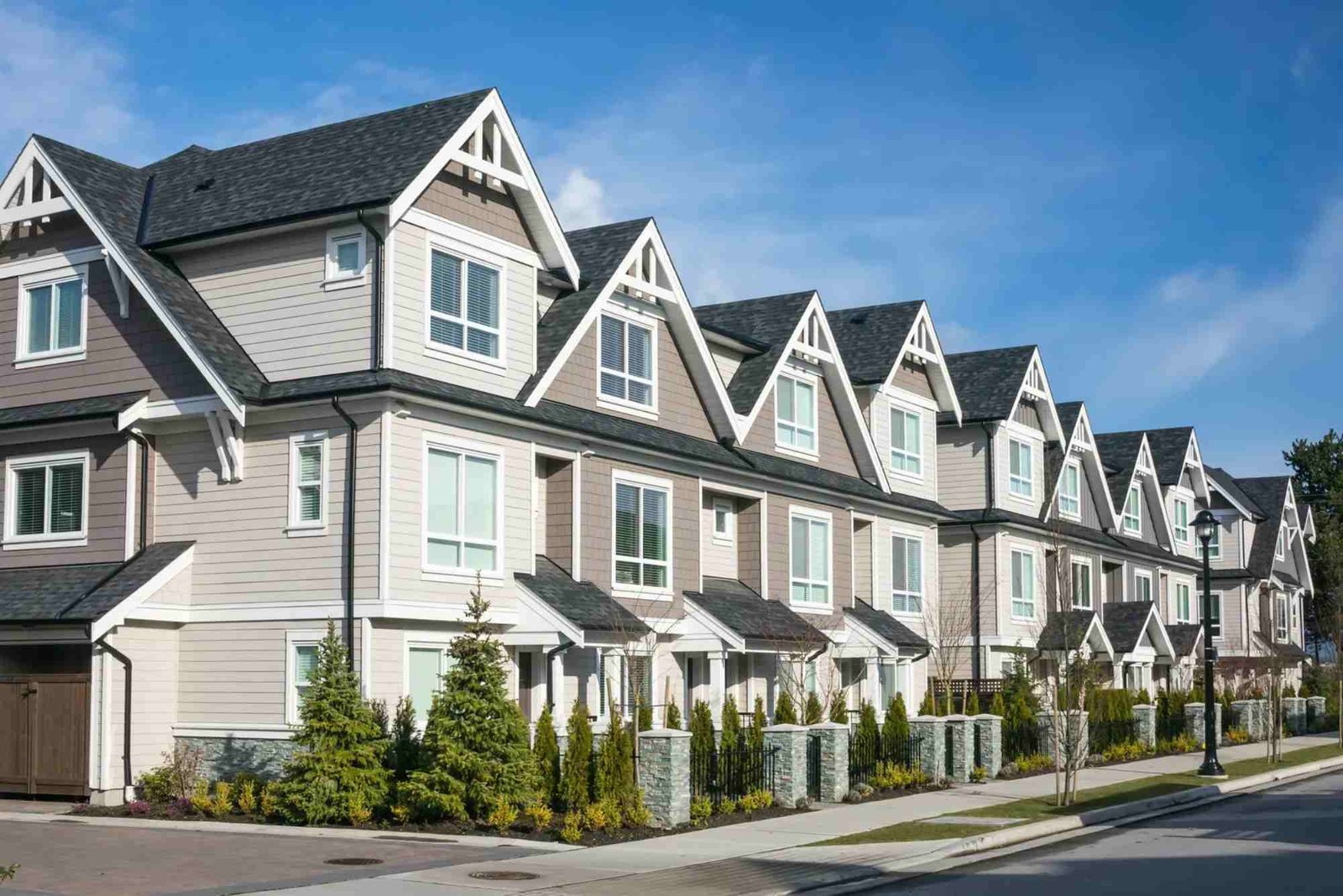
The visual appeal of a neighborhood significantly impacts its perceived value. Streets lined with mature trees, well-maintained sidewalks, and attractive landscaping create a welcoming atmosphere. Architectural consistency and clean surroundings reflect community pride and encourage homeowners to maintain their properties. The presence of art installations, fountains, or other aesthetic features can further enhance the neighborhood’s charm. Neighborhoods that prioritize cleanliness, curb appeal, and beautification projects often command higher property prices. Buyers are naturally drawn to areas that feel inviting and cared for, as these elements signal quality of life and long-term investment stability.
Strong Sense of Community
A neighborhood’s social environment is often overlooked but is crucial for long-term value. Communities that foster engagement through events, neighborhood associations, or volunteer opportunities create a sense of belonging. Residents are more likely to maintain their homes and participate in local improvement projects, which benefits the entire area. A strong sense of community also reduces turnover rates, as people tend to stay in neighborhoods where they feel connected and supported. Buyers recognize the value of living in a community where relationships are encouraged, social networks are strong, and neighbors are proactive about safety and aesthetics. These factors collectively support property value appreciation.
Low Traffic and Noise Levels
Peaceful neighborhoods with minimal traffic and low noise levels are highly desirable. Heavy traffic can decrease safety, increase pollution, and reduce the overall comfort of living in a community. Similarly, excessive noise from highways, industrial areas, or commercial zones can negatively affect home value. Residential areas designed with quiet streets, traffic-calming measures, and noise buffers provide a more pleasant living environment. These neighborhoods appeal to families, retirees, and professionals seeking a calm and secure place to live. Reduced traffic and noise not only improve daily living but also enhance the long-term marketability of homes.
Proximity to Healthcare and Essential Services
Access to healthcare facilities, emergency services, and essential amenities is a significant driver of neighborhood desirability. Families, seniors, and individuals with medical needs prioritize neighborhoods with nearby hospitals, clinics, pharmacies, and urgent care centers. Convenience plays a major role in homebuying decisions, as properties close to essential services reduce stress and improve lifestyle quality. Local grocery stores, banks, and service centers also contribute to the neighborhood’s appeal. Well-serviced areas attract more buyers, which increases competition for homes and drives property values upward.
Environmental Factors and Sustainability
Modern homebuyers are increasingly aware of environmental quality and sustainability. Neighborhoods with clean air, green spaces, and environmentally conscious planning are more attractive. Communities with sustainable initiatives, such as recycling programs, energy-efficient street lighting, and water management systems, appeal to environmentally minded buyers. Additionally, neighborhoods that avoid flooding, have effective drainage, and maintain natural habitats are perceived as safer long-term investments. Environmental considerations affect both quality of life and property insurance costs, making them an important factor in determining home value.
Diversity and Cultural Appeal
Neighborhoods that celebrate diversity and cultural richness often attract a broad range of buyers. Access to cultural centers, ethnic restaurants, festivals, and art galleries enhances lifestyle appeal. Inclusive communities that embrace different cultures and backgrounds create vibrant, dynamic neighborhoods that remain attractive over time. Buyers appreciate areas where cultural activities, arts, and community events are accessible, as these contribute to social engagement and enjoyment of daily life. A culturally rich neighborhood often maintains higher demand and supports steady appreciation in home values.
Future Development and Growth Potential
The potential for future growth and development in a neighborhood plays a major role in home values. Areas with planned infrastructure improvements, new commercial projects, or public transport expansions often see property values rise in anticipation of these upgrades. Buyers consider the long-term benefits of investing in neighborhoods poised for growth. Similarly, areas with zoning regulations that preserve residential character and limit undesirable development are more likely to retain and increase property values. Strategic planning, combined with community involvement in development decisions, helps maintain neighborhood quality and enhances investment security.
Understanding the top neighborhood features that increase home value is essential for homeowners, investors, and potential buyers. Safety, quality schools, accessibility, amenities, economic stability, aesthetics, community engagement, and environmental considerations all contribute to property desirability and long-term appreciation. Buyers naturally gravitate toward neighborhoods offering a combination of convenience, security, and lifestyle opportunities. For sellers, highlighting these features can make a home more attractive and support higher listing prices. By carefully evaluating and investing in neighborhoods with these qualities, homeowners can maximize their property’s potential and enjoy the benefits of a thriving community. Whether purchasing your next home or enhancing your investment portfolio, prioritizing neighborhoods with these features is a strategy that consistently pays off.
If you’re looking to buy or sell a home, focus on neighborhoods with these key features. Contact a local real estate expert today to find properties that offer long-term value and community benefits.
Understanding key phrases can make buying a home much easier and less stressful. Knowing what terms like “escrow,” “contingency,” and “closing costs” mean helps you communicate better with agents and lenders. For a helpful guide that explains these clearly and simply, check out Top Real Estate Terms Every Buyer Should Know to build your confidence and make smarter decisions throughout the home‑buying process.
FAQ
What neighborhood features increase home value the most?
Safety, quality schools, accessibility, parks, and community amenities are among the top features that boost property value.
Do amenities like gyms and parks really affect property prices?
Yes, neighborhoods with recreational and social amenities attract buyers, increasing demand and property values.
How does school quality influence home value?
Homes near top-rated schools are highly sought after, especially by families, which drives higher prices and long-term appreciation.
Is future neighborhood development important for property investment?
Absolutely. Areas with planned infrastructure or commercial growth often see property values rise over time, benefiting investors.
Can environmental quality affect home prices?
Yes, clean air, green spaces, and sustainable planning make neighborhoods more attractive, positively impacting home values.