
Introduction
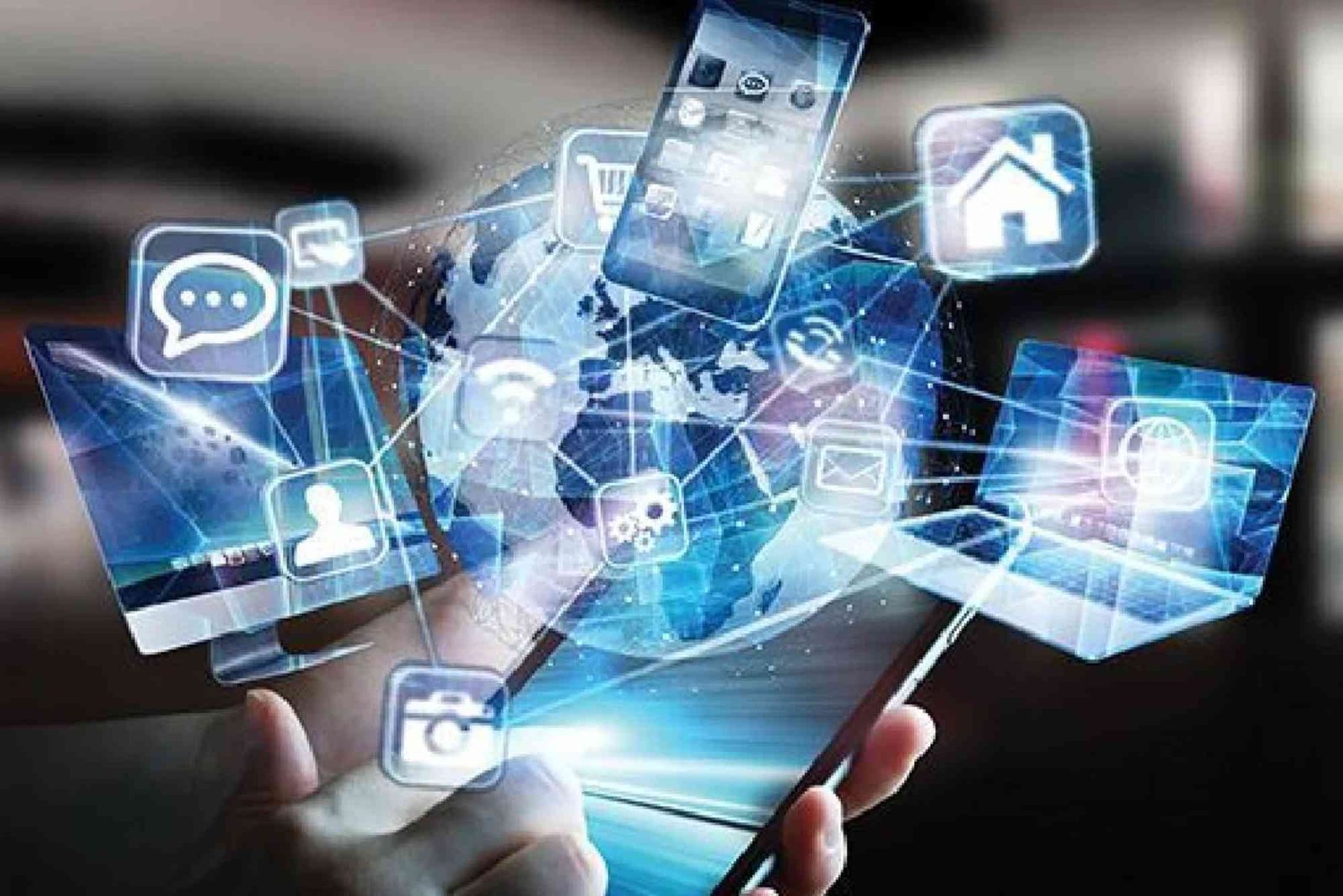
Technology has always shaped human progress, but the pace of change today is unprecedented. From artificial intelligence to biotechnology, innovations are no longer distant ideas. They are becoming part of everyday life. Understanding how future technologies will change human life helps individuals, businesses, and societies prepare for what lies ahead. These advancements will influence how we work, communicate, heal, learn, and even think. The future will not just be faster or smarter. It will be fundamentally different.
The Role of Artificial Intelligence in Daily Life
Artificial intelligence is already present in smartphones, search engines, and online recommendations. In the future, its role will become deeper and more personal. AI systems will assist with decision-making, automate complex tasks, and enhance human creativity. Rather than replacing humans entirely, AI will increasingly work alongside people.
AI in Personal and Professional Decisions
Future AI tools will analyze large amounts of data in seconds. This will help individuals make better financial, health, and career decisions. For professionals, AI will handle repetitive tasks, allowing more time for strategic thinking. As a result, productivity and efficiency will rise across industries.
Ethical and Social Impact of AI
As AI becomes more powerful, ethical concerns will grow. Issues like data privacy, bias, and transparency will demand attention. Governments and organizations will need strong frameworks to ensure responsible use. How future technologies will change human life depends heavily on how ethically they are implemented.
Healthcare Transformation Through Future Technologies
Healthcare is one of the fields that will experience the most dramatic change. Future technologies will focus on prevention, personalization, and accessibility. Medical care will shift from reactive treatment to proactive health management.
Personalized and Predictive Medicine
Advances in genomics and AI will enable doctors to tailor treatments to individual patients. Diseases may be detected before symptoms appear. Wearable devices will continuously monitor vital signs, sending real-time data to healthcare providers. This approach will improve outcomes and reduce healthcare costs.

Robotics and Remote Care
Robotic surgery will become more precise and less invasive. At the same time, telemedicine will expand access to care in remote areas. These developments show clearly how future technologies will change human life by making healthcare more inclusive and efficient.
The Future of Work and Employment
Work will look very different in the coming decades. Automation, remote collaboration, and digital platforms will reshape job roles and workplaces. While some jobs will disappear, many new ones will emerge.
Automation and Skill Shifts
Routine and manual tasks will increasingly be automated. This will require workers to develop new skills, especially in technology and problem-solving. Lifelong learning will become essential. Education systems will need to adapt to prepare future generations.
Remote and Flexible Work Models
Future technologies will support seamless remote work. Virtual reality and advanced communication tools will make distance irrelevant. This flexibility will improve work-life balance and open global job opportunities.
Education in a Technology-Driven Future
Education will move beyond traditional classrooms. Future technologies will make learning more interactive, personalized, and accessible. Knowledge will be available anytime and anywhere.
Personalized Learning Experiences
AI-powered platforms will adapt lessons to individual learning styles. Students will progress at their own pace. This will reduce learning gaps and improve engagement. Education will become more student-centered than ever before.
Virtual and Augmented Reality in Learning
Virtual reality will allow immersive learning experiences. Students may explore historical events or complex scientific concepts firsthand. These tools will enhance understanding and retention, demonstrating another way how future technologies will change human life.
Smart Cities and Urban Living
Cities will become smarter and more sustainable. Future technologies will optimize energy use, transportation, and public services. Urban living will be safer, cleaner, and more efficient.
Intelligent Transportation Systems
Self-driving vehicles and smart traffic systems will reduce accidents and congestion. Public transport will become more reliable. These changes will save time and lower environmental impact.
Sustainable Infrastructure
Smart grids and renewable energy systems will power future cities. Sensors will monitor air quality and waste management. This will improve quality of life while protecting the environment.
Communication and Human Relationships
Technology has already transformed communication. In the future, interactions will become more immersive and instant. However, this shift will bring both opportunities and challenges.
Advanced Communication Tools
Holographic calls and real-time language translation will break communication barriers. People from different cultures will connect more easily. This will strengthen global collaboration and understanding.
Balancing Technology and Human Connection
While technology enhances communication, it may also reduce face-to-face interactions. Maintaining emotional connections will require conscious effort. How future technologies will change human life depends on finding balance between digital convenience and human empathy.
Biotechnology and Human Enhancement
Biotechnology will push the boundaries of what it means to be human. From gene editing to regenerative medicine, the possibilities are vast.
Genetic Engineering and Disease Prevention
Gene-editing technologies may eliminate inherited diseases. This will improve quality of life for millions. Ethical considerations will be crucial to prevent misuse.
Human Longevity and Enhancement
Future technologies may extend human lifespan and enhance physical abilities. This will raise questions about equality, access, and societal impact. These debates will shape how such technologies are adopted.
Security, Privacy, and Digital Trust
As technology advances, security risks will also grow. Protecting data and digital identities will become a top priority. Trust will be a key factor in technology adoption.
Cybersecurity in a Connected World
With more devices connected, cyber threats will increase. Advanced security systems will use AI to detect and prevent attacks. Individuals and organizations will need better digital awareness.
Data Privacy and Ownership
People will demand greater control over their data. Regulations will evolve to protect user rights. Transparency will be essential to build trust in future technologies.
How Future Technologies Will Change Human Life Economically
Economic structures will evolve alongside technological progress. Digital currencies, automation, and global connectivity will redefine markets and value creation.
Digital Economies and Innovation
Blockchain and decentralized systems will create new economic models. Entrepreneurs will access global markets more easily. Innovation will drive economic growth in unexpected ways.
Reducing or Widening Inequality
Technology has the potential to reduce inequality by providing access to education and opportunities. However, it may also widen gaps if access is unequal. Policymakers must address this challenge proactively.
The Psychological Impact of Future Technologies
Technology influences not only actions but also thoughts and emotions. Understanding its psychological effects will be vital.
Mental Health and Technology Use
Digital tools can support mental health through therapy apps and monitoring tools. At the same time, overuse may cause stress and isolation. Balance will be key.
Identity and Self-Perception
Virtual environments may blur the line between physical and digital identities. This will affect how people see themselves and others. Societies will need to adapt to these changes thoughtfully.
Top Tech Solutions for Smart Homes are transforming modern living by making homes more connected, secure, and energy-efficient. From smart lighting and voice-controlled assistants to advanced security systems and automated climate control, these technologies offer convenience and peace of mind. By integrating intelligent devices, homeowners can manage daily tasks remotely, reduce energy consumption, and create a more comfortable, personalized living environment powered by innovation.
FAQs
How will future technologies affect everyday life?
Future technologies will simplify daily tasks, improve healthcare, and enhance communication. Many activities will become faster and more personalized.
Will technology replace human jobs completely?
Technology will automate some jobs but also create new roles. Human creativity and critical thinking will remain essential.
How will future technologies impact education?
Education will become more personalized and accessible. Students will learn through interactive and immersive tools.
Are future technologies safe for society?
Safety depends on ethical use and strong regulations. Responsible development is crucial for positive impact.
How can individuals prepare for technological change?
Continuous learning and adaptability are key. Staying informed and developing new skills will help people thrive.
Preparing for a Technology-Driven Future
The question of how future technologies will change human life is not about distant possibilities. It is about changes already unfolding. These innovations will redefine health, work, education, cities, and relationships. While challenges exist, the potential benefits are immense. By embracing ethical practices, continuous learning, and thoughtful policies, society can shape a future where technology enhances human well-being.
The future is being built today. Stay informed, develop adaptable skills, and engage with technology responsibly. By doing so, you can be an active participant in shaping how future technologies will change human life for the better.