
Introduction
Maintaining your car’s windshield wipers is more than just a routine task—it’s a key part of safe driving. Poor visibility due to worn-out wipers can lead to dangerous situations, especially during rain or snow. Understanding how to replace windshield wipers correctly ensures your car remains safe, functional, and ready for any weather. In this guide, we will cover everything from selecting the right wipers to proper installation techniques, common mistakes to avoid, and essential maintenance tips.
Why Replacing Windshield Wipers Matters
Windshield wipers are often overlooked, yet they play a critical role in your driving safety. Over time, rubber blades degrade due to exposure to sun, heat, and dirt. Signs of wear include streaking, chattering, or squeaking. Driving with damaged wipers reduces visibility and can make sudden braking or maneuvering hazardous. Knowing how to replace windshield wipers correctly helps prevent accidents and ensures a clear view during adverse weather conditions.
Choosing the Right Windshield Wipers
The first step in proper replacement is selecting the correct wipers for your vehicle. Wipers come in various sizes, types, and materials. Most cars use standard frame-style blades, while newer models may require beam or hybrid wipers. Always check your owner’s manual or measure your current wipers to match the correct length. Choosing high-quality rubber or silicone blades can improve performance and longevity. Also, consider your climate. Silicone blades perform better in extreme heat and resist cracking, while standard rubber blades work well in moderate weather.
Preparing for Replacement
Before starting, park your car on a flat surface and turn off the ignition. Lift the wiper arms away from the windshield carefully to avoid snapping them back onto the glass. Gather necessary tools, usually just a pair of new wiper blades and possibly a screwdriver if your vehicle uses a locking mechanism. Clean the windshield and wiper arm with a soft cloth to remove dirt and debris. This prevents premature wear on the new blades and ensures smooth operation.
Step-by-Step Guide to Replace Windshield Wipers Correctly
Replacing windshield wipers may seem simple, but doing it improperly can damage the blades or windshield. Follow these steps to ensure success.
Remove the Old Wiper Blades
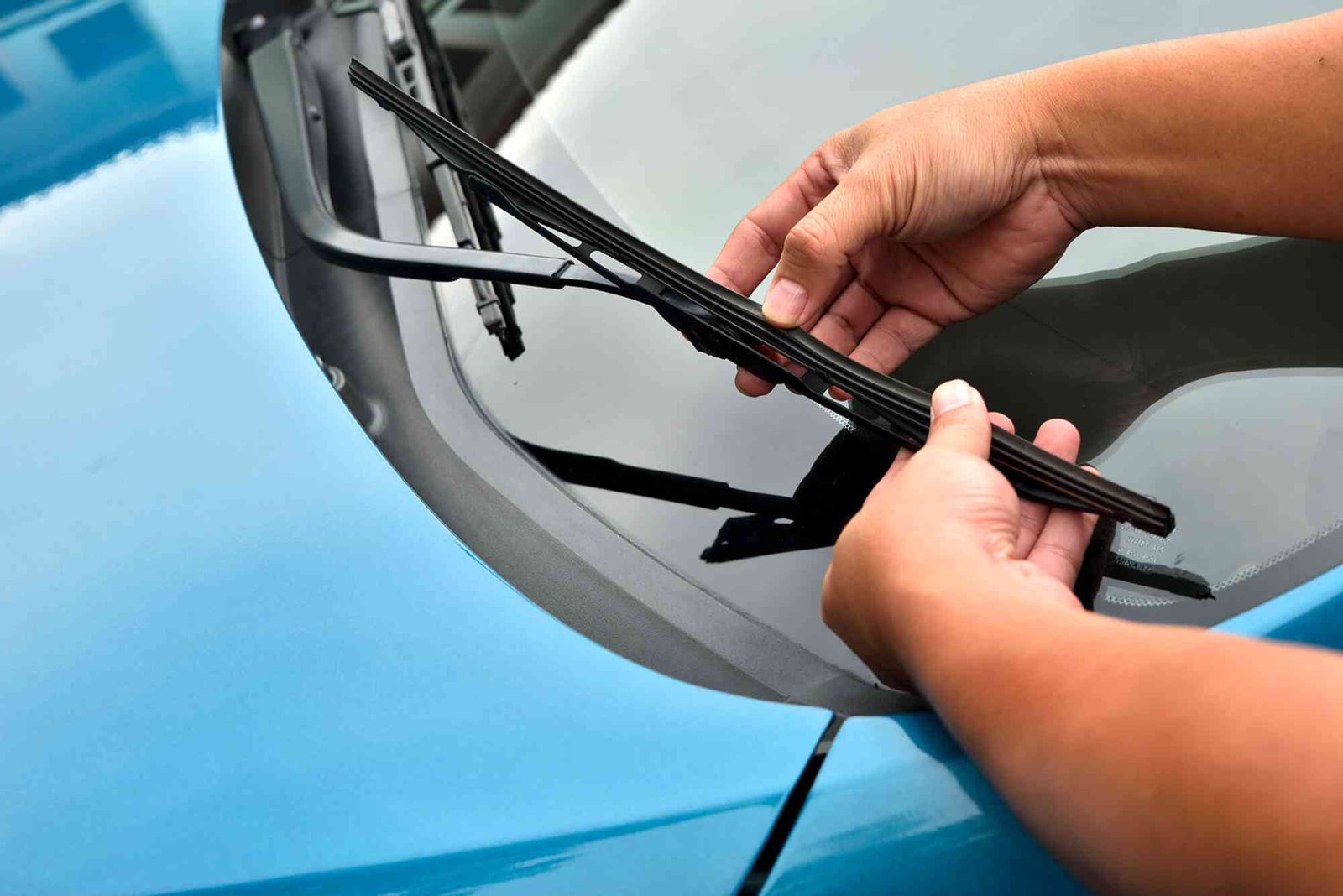
Most wipers use a hook or pin-style attachment. Press the small tab where the blade meets the wiper arm, then slide the blade downward to release it. If your vehicle uses a different mechanism, carefully follow the manufacturer’s instructions. Avoid forcing the blade off, as this can bend the wiper arm or scratch the windshield.

Inspect the Wiper Arm
Before installing new blades, examine the wiper arm for rust, bends, or damage. A bent arm can prevent full contact with the windshield, reducing cleaning effectiveness. Gently straighten minor bends or replace the arm if necessary. Also, check the spring tension. Weak springs can cause streaking and uneven wiping.
Attach the New Wiper Blades
Align the new blade with the arm connector. Push it into place until you hear a click, indicating it’s securely locked. For hook-style arms, slide the blade into the hook until it snaps. Ensure both sides are firmly attached by giving them a gentle tug. Incorrect attachment can cause the blade to detach while driving, which is extremely dangerous.
Test the Wipers
After installation, lower the wiper arms carefully back onto the windshield. Turn on the wipers at low speed and spray washer fluid to check performance. The blades should glide smoothly without streaking, squeaking, or chattering. If problems persist, readjust the blade or arm as needed. Proper testing ensures your new wipers function perfectly before real-world use.
Common Mistakes to Avoid
Even simple tasks like replacing wipers can go wrong. One common mistake is lifting the wiper arm too far or letting it snap back onto the windshield. This can crack the glass. Another error is installing the wrong size blade, leading to incomplete wiping coverage. Skipping the inspection of the wiper arm or using low-quality blades also shortens their lifespan. Being mindful of these errors saves time, money, and potential damage.
Tips for Maintaining Wiper Blades
Proper maintenance extends the life of your windshield wipers and ensures consistent performance. Clean the blades regularly with a damp cloth to remove dirt, road grime, and oil residue. Avoid using harsh chemicals, which can degrade the rubber. Park in shaded areas to prevent sun damage, and replace wipers at least once a year or whenever they show visible signs of wear. Keeping your windshield clean also reduces stress on the blades, allowing them to work efficiently.
Advanced Considerations
Modern cars often feature integrated wiper sensors, rain-sensing technology, or concealed blade designs. Replacing these wipers correctly requires extra attention. Consult the vehicle’s manual or professional guides to prevent damage to sensitive mechanisms. Some hybrid or beam blades have unique attachments that differ from standard hook or pin designs. Always match the new blades to the specific type to ensure a proper fit.
Environmental Factors Affecting Wiper Lifespan
Environmental conditions can dramatically influence how often you need to replace wipers. Extreme heat causes rubber to dry out and crack, while cold climates may lead to ice accumulation, damaging the blades. Dusty or sandy areas wear down the edges faster. By understanding your driving environment, you can choose the right material and schedule regular inspections to avoid sudden failure.
When to Seek Professional Help
While most drivers can replace wipers themselves, certain situations require professional assistance. If the wiper arm is severely bent, the vehicle has rain-sensing blades, or replacement mechanisms are unclear, a professional can ensure safe installation. Some newer vehicles require specialized tools or techniques, and attempting it without experience can lead to costly damage. Professional maintenance also guarantees proper alignment, reducing streaking and uneven wear.
Benefits of Replacing Wipers Correctly
Knowing how to replace windshield wipers correctly brings multiple benefits. First, it ensures maximum visibility in all weather conditions, enhancing safety. Properly installed wipers reduce streaking, chatter, and squeaking, providing a smooth driving experience. They also last longer, saving money on frequent replacements. Additionally, well-maintained wipers protect the windshield from scratches and potential damage caused by old, rigid blades.
Replacing windshield wipers is a simple yet crucial part of vehicle maintenance. Understanding the proper steps, choosing the right blades, and avoiding common mistakes ensures safety, visibility, and longevity of both wipers and windshield. Whether you handle the task yourself or seek professional help, following these guidelines guarantees optimal performance. Don’t wait for streaks or squeaks—take action today and ensure your car’s wipers are in top condition. Keep your journey safe and clear.
Ensure your car’s visibility and safety by checking and replacing your windshield wipers today. Take a few minutes to follow these steps and drive with confidence in any weather.
Looking to enhance your driving experience? Discover the Top Car Gadgets That Improve Driving Experience that combine safety, convenience, and entertainment. From advanced dash cams and smart GPS systems to wireless chargers and heads-up displays, these gadgets make every journey smoother and more enjoyable. Upgrade your car with the latest tech innovations and enjoy smarter, safer, and more connected drives every time.
FAQs
How often should I replace my windshield wipers?
Most manufacturers recommend replacing them every 6 to 12 months, or whenever you notice streaking, chattering, or squeaking.
Can I replace windshield wipers myself?
Yes, with basic tools and the right blades, most drivers can safely replace wipers by following step-by-step instructions.
What type of wiper blade is best?
Silicone blades are durable and perform well in extreme heat, while rubber blades are effective in moderate climates. Beam or hybrid blades are ideal for modern cars.
Why are my new wipers streaking?
Streaking can result from improper installation, a bent wiper arm, or a dirty windshield. Clean the surface and ensure the blade is correctly aligned.
Do wipers wear out faster in certain conditions?
Yes, extreme sun, ice, and dusty roads can cause the rubber to deteriorate more quickly, requiring more frequent replacements.