

Introduction
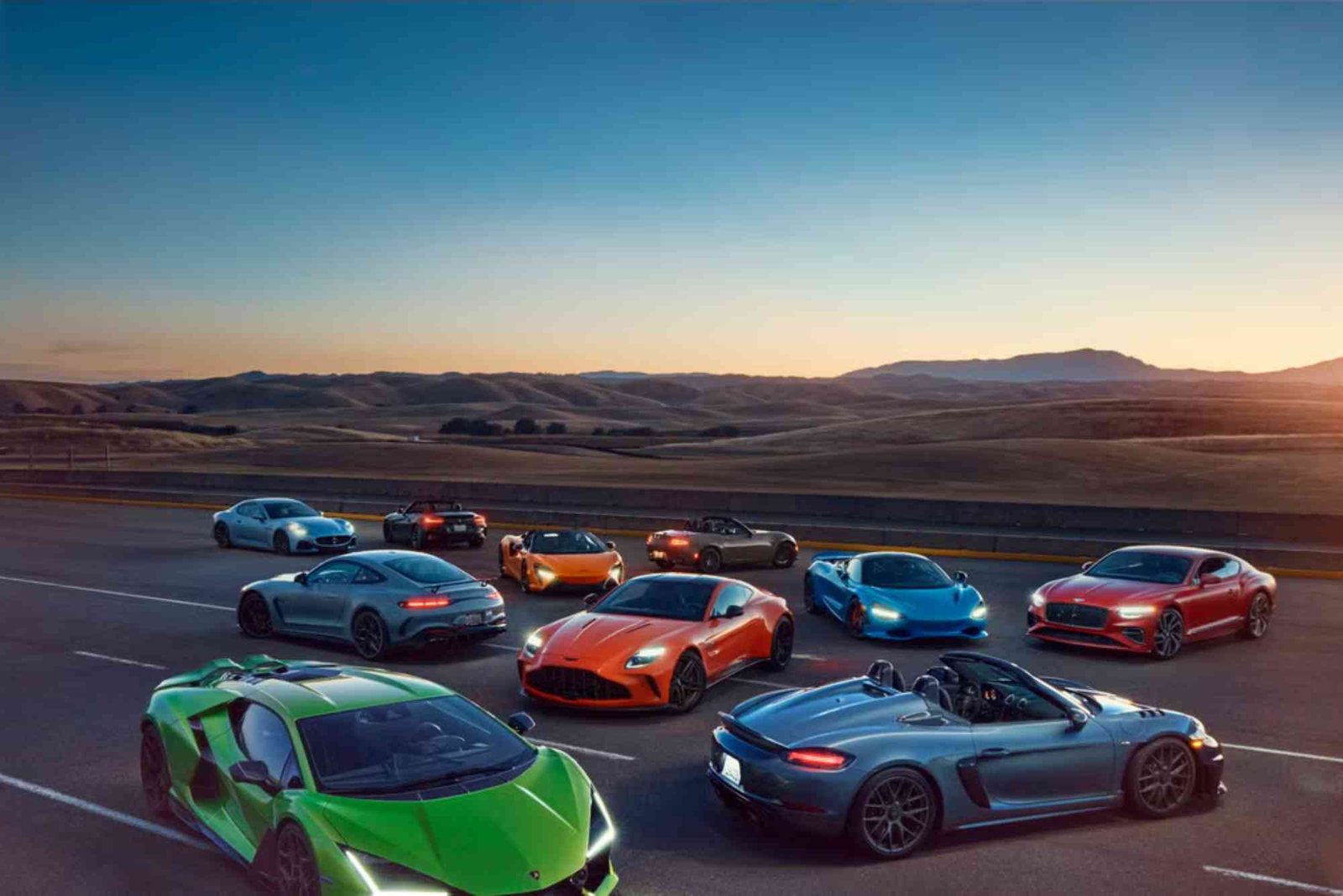
The world of sports cars is ever-evolving, blending cutting-edge technology with breathtaking performance and luxury design. As 2025 approaches, automotive enthusiasts are eager to see which vehicles will set new benchmarks for speed, efficiency, and style. The year promises a mix of electric powertrains, hybrid systems, and traditional internal combustion engines pushing the boundaries of engineering. From track-ready beasts to luxurious supercars, the market is brimming with innovation. This article explores the top sports cars expected to dominate 2025, highlighting the models that combine performance, design, and technological advancements in ways that will captivate drivers worldwide.
The Rising Influence of Electric and Hybrid Sports Cars
The automotive industry is shifting rapidly toward electrification, and sports cars are no exception. Manufacturers are now focusing on performance-oriented electric vehicles (EVs) that offer instant torque, aerodynamic efficiency, and advanced software integration. These vehicles provide exhilarating acceleration while meeting stricter environmental standards. Hybrid sports cars, combining internal combustion engines with electric motors, are also gaining popularity, delivering a balance between raw power and eco-conscious driving. In 2025, these electrified sports cars are expected to dominate the market, as buyers increasingly value both sustainability and performance.
Cutting-Edge Performance Features
Modern sports cars are packed with advanced performance technologies. Active aerodynamics, adaptive suspension systems, and torque vectoring help drivers handle curves at high speeds with precision. Many 2025 models are expected to feature lightweight carbon-fiber chassis and enhanced braking systems, making them faster and safer on the road and track. Manufacturers are also integrating AI-assisted driving technologies that enhance acceleration response, stability, and overall driving dynamics without compromising the thrill of control.
Electric Acceleration and Range
One key reason EVs are becoming a dominant force is their unmatched acceleration. Electric motors deliver instant torque from a standstill, enabling 0-60 mph times that often surpass traditional supercars. Coupled with improved battery efficiency and lighter designs, electric sports cars in 2025 promise longer range without sacrificing speed. Enthusiasts can expect a new generation of models that challenge the stereotypes of electric vehicles being slow or uninspiring.
Iconic Legacy Brands Reinventing Themselves
Luxury automakers with decades of experience are taking bold steps to redefine their lineup. Brands such as Ferrari, Lamborghini, Porsche, and Aston Martin are introducing new models that combine traditional craftsmanship with futuristic technology. The focus is on improving performance, aerodynamics, and sustainability while maintaining the signature aesthetic and sound that fans have loved for decades.
Ferrari’s Vision for 2025
Ferrari has announced plans for multiple hybrid and fully electric models, targeting enhanced track performance and daily usability. These models are expected to feature advanced battery systems and lightweight engineering, resulting in superior handling and acceleration. Ferrari’s design philosophy ensures that while these cars are technologically advanced, they still embody the iconic look and feel that distinguishes the brand.

Porsche’s Electric Revolution
Porsche continues to expand its Taycan lineup, adding new performance variants that promise longer ranges and faster charging times. The automaker’s commitment to blending sportiness with electric efficiency is evident in models that rival traditional combustion-engine vehicles in every aspect of speed and handling. Drivers looking for precision, comfort, and acceleration will find Porsche’s offerings compelling in 2025.
Emerging Contenders Shaping the Market
While legacy brands continue to dominate, newer players are making waves. Startups and tech-focused automakers are introducing innovative sports cars that challenge traditional designs and push boundaries with cutting-edge technology. Companies such as Rimac and Lotus are expected to release models that feature ultra-fast charging, advanced aerodynamics, and revolutionary drivetrain configurations. These vehicles cater to drivers seeking exclusivity and extreme performance.
Rimac’s Electrifying Approach
Rimac, a pioneer in electric hypercars, is pushing the envelope with models that combine blistering acceleration with luxurious interiors. Advanced AI-based systems are expected to manage torque distribution and aerodynamics dynamically, offering unmatched handling. Rimac’s 2025 sports cars are likely to be highly sought after by collectors and performance enthusiasts.
Lotus’ Lightweight Philosophy
Lotus continues to focus on lightweight construction and driver engagement. The company’s upcoming 2025 models are expected to feature hybrid powertrains paired with ultra-light chassis materials, maximizing performance and cornering agility. Lotus emphasizes the joy of driving, making its sports cars a favorite for enthusiasts who prioritize handling and precision over sheer horsepower.
Design Trends Influencing 2025 Sports Cars
In addition to performance, design plays a critical role in sports car appeal. In 2025, expect bold, aerodynamic styling, aggressive front fasciaes, and sleek, flowing lines. Interiors will focus on driver-centric layouts, incorporating digital dashboards, augmented reality displays, and advanced infotainment systems. Ergonomics, comfort, and usability are being prioritized alongside aesthetics, ensuring that the car is not only a visual masterpiece but also a practical, enjoyable driving experience.
Aerodynamics and Functionality
Modern sports car design emphasizes aerodynamic efficiency, which improves speed, handling, and energy consumption. Active spoilers, adjustable diffusers, and retractable air vents are becoming standard, allowing vehicles to adapt dynamically to driving conditions. Designers are also incorporating lightweight composite materials to reduce overall weight without compromising safety.
Interior Innovation
Inside, sports cars are moving beyond traditional analog dials to immersive digital experiences. Touch-sensitive controls, customizable displays, and AI-driven feedback systems enhance both safety and engagement. Drivers can expect interiors that feel futuristic yet intuitive, blending high-tech features with the luxury expected from high-end brands.
Technology Integration and Safety
Sports cars are no longer solely about speed; technology integration is critical for both performance and safety. Advanced driver-assistance systems (ADAS) are becoming more sophisticated, including adaptive cruise control, lane-keeping assistance, and predictive collision detection. Even hypercars, traditionally focused on raw performance, now incorporate features that protect drivers and improve overall driving experience.
Smart Connectivity
Connected cars are redefining sports car ownership. Many 2025 models are expected to integrate cloud-based systems for software updates, performance tuning, and route optimization. Drivers will have access to real-time telemetry, performance analytics, and even remote diagnostics, allowing them to maintain peak performance with minimal effort.
Safety Innovations
High-performance vehicles now feature crash avoidance technologies, carbon-ceramic brakes, and reinforced chassis designs to enhance safety at high speeds. Electric sports cars also benefit from the stability offered by low-mounted batteries and optimized weight distribution, improving handling and reducing the risk of rollovers or loss of control.
Pricing and Accessibility
While many of the top sports cars expected to dominate 2025 remain luxury items, manufacturers are gradually offering entry-level performance models to reach broader audiences. This includes more affordable hybrid and electric sports cars that still provide exhilarating acceleration, precise handling, and modern amenities. Buyers now have options ranging from exclusive hypercars to accessible performance-oriented vehicles without compromising the thrill of driving.
Consumer Trends and Market Expectations
The sports car market in 2025 is expected to reflect broader consumer trends toward sustainability, personalization, and technology. Buyers are looking for vehicles that offer a unique blend of speed, luxury, and green credentials. Customization options, including bespoke paintwork, interior trims, and performance packages, allow drivers to express individuality while enjoying the latest automotive innovations.
Sustainability in Performance
Eco-conscious buyers are influencing the development of sports cars that balance speed with environmental responsibility. Hybrid powertrains, regenerative braking systems, and energy-efficient materials are becoming standard features. This shift indicates that performance and sustainability are no longer mutually exclusive.
Personalization and Ownership Experience
Manufacturers are enhancing ownership experiences with tailored service packages, software customization, and performance tuning options. Sports cars in 2025 are not just vehicles—they are personalized extensions of the driver’s lifestyle and preferences, reflecting both status and personality.
The year 2025 promises an exciting landscape for sports car enthusiasts, blending electrification, hybrid innovation, and classic performance with futuristic technology. The top sports cars expected to dominate 2025 will offer a combination of speed, handling, design, and sustainability that appeals to both collectors and everyday drivers. As the market evolves, drivers can anticipate electrifying acceleration, aerodynamic excellence, and advanced digital integration in models from both legacy brands and emerging players. Whether you are a fan of traditional V12s, hybrid marvels, or fully electric hypercars, 2025 is set to redefine the driving experience.
If you are eager to explore these vehicles further and stay updated on the latest releases, start researching your favorite brands now and experience firsthand the innovation that defines the next generation of sports cars.
Replacing windshield wipers properly ensures clear visibility and safer driving. Start by lifting the wiper arm, removing the old blade, and aligning the new one correctly. Secure it firmly, test both wipers, and check for smooth movement. Regularly replacing worn wipers prevents streaks and improves performance in rain or snow. Learn step-by-step guidance on How to Replace Windshield Wipers Correctly here:
FAQs
Which sports cars are expected to dominate 2025?
The top sports cars in 2025 include hybrids and electric models from Ferrari, Porsche, Lamborghini, Rimac, and Lotus, along with select high-performance combustion engines.
Will electric sports cars outperform traditional supercars?
Yes, many electric sports cars in 2025 are expected to surpass traditional supercars in acceleration, torque delivery, and efficiency while maintaining high-end performance standards.
Are hybrid sports cars becoming more common?
Absolutely. Hybrids are increasingly popular as they offer a balance of performance and eco-friendliness, appealing to both enthusiasts and environmentally conscious buyers.
What design trends will influence 2025 sports cars?
Aerodynamic efficiency, sleek exteriors, lightweight materials, and digital driver-focused interiors will dominate the design landscape.
Are these sports cars affordable for average buyers?
While hypercars remain expensive, many brands are introducing entry-level hybrid and electric sports cars that offer impressive performance at more accessible price points.
How is technology improving sports car performance?
Advanced driver-assistance systems, AI-based torque distribution, connected telemetry, and adaptive suspension systems are enhancing both safety and driving dynamics.