
Introduction
The world of technology is evolving at an unprecedented pace. Innovations that once seemed like science fiction are now rapidly approaching reality. From artificial intelligence breakthroughs to advances in biotechnology, the next decade promises to bring a wave of futuristic technologies that will redefine the way we live, work, and interact with the world. In this article, we explore the top futuristic technologies coming soon, highlighting how they could transform industries and everyday life.
Artificial Intelligence and Machine Learning Advancements
Artificial intelligence (AI) continues to be one of the most transformative technologies of our time. The next generation of AI systems will be capable of learning and reasoning in ways that mirror human cognition. AI-powered assistants will become more intuitive, able to understand context, emotions, and even predict needs before users articulate them. Industries such as healthcare, finance, and logistics will benefit immensely from these intelligent systems. In healthcare, AI algorithms will enhance early disease detection and personalized treatment plans. Machine learning models will enable businesses to anticipate consumer behavior and optimize operations efficiently.
Autonomous Machines and Robotics
The integration of AI with robotics is set to revolutionize how we approach automation. Autonomous machines, from self-driving cars to delivery drones, will become more sophisticated and capable of performing complex tasks with minimal human supervision. Factories will see a rise in smart robots that adapt to dynamic environments, increasing production efficiency while reducing human error. These advancements will not only improve safety in hazardous industries but also expand the potential for automation in daily life.
Brain-Computer Interfaces
One of the most exciting futuristic technologies coming soon is the development of brain-computer interfaces (BCIs). BCIs aim to create a direct communication pathway between the human brain and computers, allowing people to control devices using thought alone. This could transform accessibility for individuals with disabilities, enabling them to operate computers, prosthetics, or even vehicles without physical interaction. The technology also holds potential for enhancing cognitive abilities, memory, and learning speed, fundamentally changing human-machine interaction.
Biotechnology and Genetic Engineering
Biotechnology is entering a new era, driven by advances in genetic engineering and molecular biology. Technologies like CRISPR are enabling precise gene editing, which could eliminate hereditary diseases and improve human health. Researchers are exploring ways to extend human lifespan and enhance physical and cognitive traits. Personalized medicine will become more widespread, offering treatments tailored to an individual’s genetic makeup. These advancements will redefine healthcare, focusing on prevention and optimization rather than reactive treatment.
Synthetic Biology
Synthetic biology combines engineering principles with biology to design and construct new biological systems. This emerging field has the potential to create biofuels, biodegradable materials, and novel pharmaceuticals. Future applications may include creating artificial organs or designing organisms that can address environmental challenges, such as cleaning up pollution or reducing carbon emissions. Synthetic biology represents a frontier where engineering meets life itself, promising revolutionary solutions to global problems.

Advanced Prosthetics
The development of advanced prosthetics is poised to enhance human capabilities beyond natural limits. Modern prosthetic limbs are already integrated with sensors and neural controls, allowing for precise movement. Future innovations may incorporate AI to anticipate the user’s intentions, providing a seamless and intuitive experience. These technologies will not only restore mobility but also enable augmented abilities, bridging the gap between biology and technology.
Energy Innovations
The energy sector is undergoing a significant transformation, driven by the need for sustainable and efficient solutions. Emerging technologies promise to reshape how we produce, store, and consume energy. Advanced solar panels and wind turbines are becoming more efficient and cost-effective, making renewable energy more accessible worldwide. Energy storage solutions, such as next-generation batteries, will enable the widespread adoption of electric vehicles and decentralized power grids.
Fusion Energy
Fusion energy represents a long-awaited breakthrough in clean power generation. Unlike traditional nuclear fission, fusion produces minimal radioactive waste and offers an almost limitless energy source. Scientists are making strides in achieving sustainable and controlled fusion reactions, which could revolutionize the global energy landscape. Once commercialized, fusion could provide a reliable and environmentally friendly alternative to fossil fuels, addressing climate change and energy scarcity simultaneously.
Wireless Energy Transfer
Wireless energy transfer technology is also advancing rapidly. This innovation allows electricity to be transmitted over distances without the need for physical cables. Applications range from charging electric vehicles on the go to powering devices in smart cities without extensive infrastructure. The convenience and efficiency offered by wireless energy could transform transportation, urban planning, and consumer electronics.
Quantum Computing
Quantum computing is another technology with transformative potential. Unlike classical computers, quantum machines use qubits that can exist in multiple states simultaneously, enabling them to solve complex problems exponentially faster. Industries such as pharmaceuticals, logistics, and cryptography will benefit from quantum computing’s ability to model molecules, optimize supply chains, and enhance cybersecurity. As quantum hardware continues to improve, practical applications are expected to emerge within the next decade, solving problems previously deemed unsolvable.
Quantum Communication
Alongside quantum computing, quantum communication is advancing rapidly. This technology uses quantum states to transmit information securely, making data interception virtually impossible. Governments and corporations are investing heavily in quantum networks to safeguard sensitive information. Quantum communication could redefine secure communication and lay the foundation for next-generation internet infrastructure.
Space Technology
Human exploration of space is entering a new era, fueled by technological innovation and private investment. Advanced propulsion systems, reusable rockets, and space habitats are making space travel more feasible and sustainable. Companies and governments are planning missions to the Moon, Mars, and beyond, opening opportunities for research, resource extraction, and even space tourism.
Satellite Mega-Constellations
Satellite mega-constellations are set to revolutionize global connectivity. Thousands of small satellites will work together to provide high-speed internet across the globe, bridging the digital divide. This technology will enable real-time communication, improved navigation systems, and enhanced earth observation capabilities. The integration of satellite networks with AI-driven data analysis will have far-reaching effects on climate monitoring, disaster management, and global commerce.
Space Mining
Space mining is an emerging field that could redefine resource acquisition. Asteroids and other celestial bodies contain vast amounts of precious metals and rare minerals. Companies are developing technologies to extract and transport these resources, potentially reducing dependence on terrestrial mining. Space mining represents a futuristic vision where Earth’s resource constraints are alleviated by exploiting extraterrestrial sources.
Extended Reality and Immersive Technologies
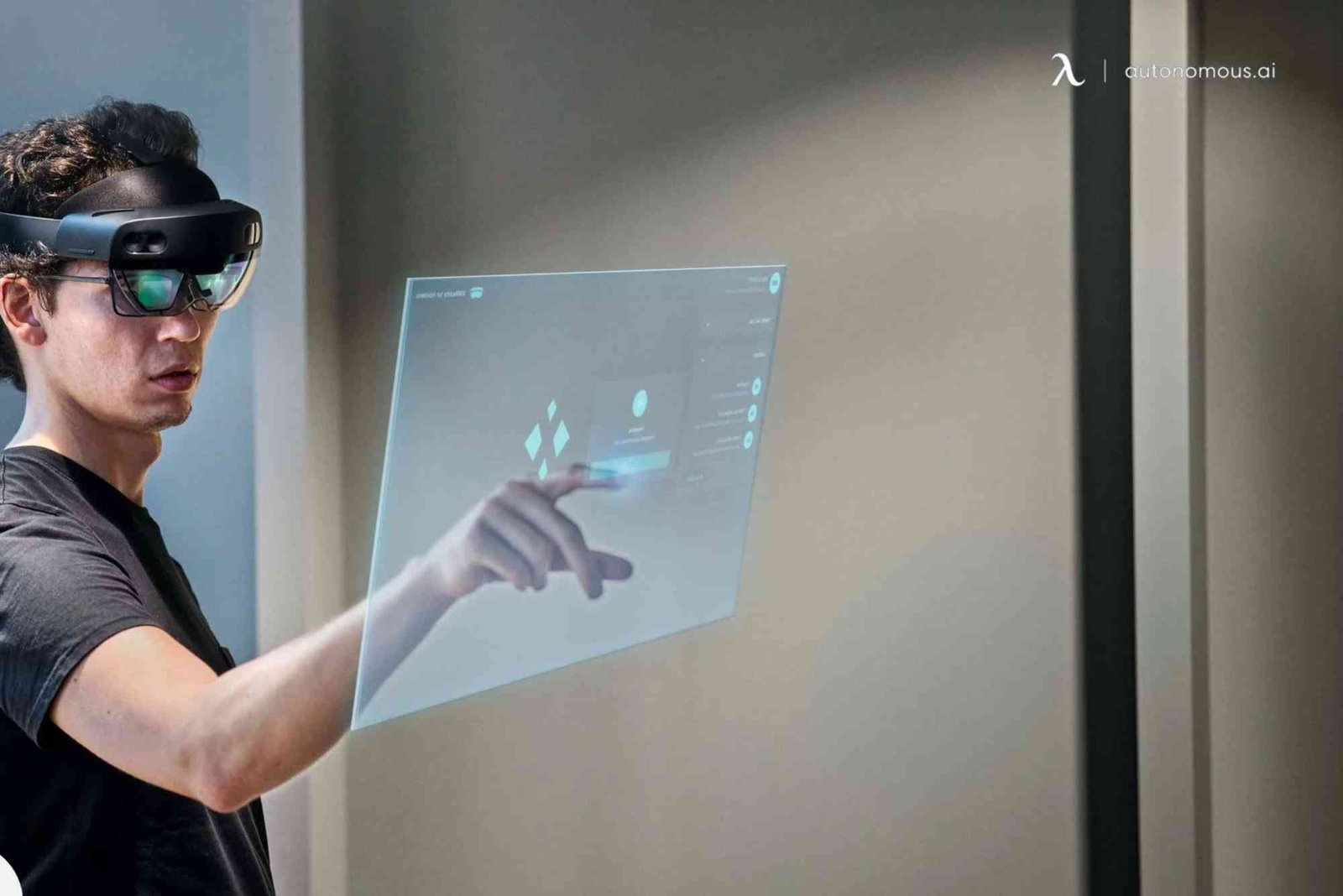
Extended reality (XR), encompassing virtual reality (VR), augmented reality (AR), and mixed reality (MR), is transforming entertainment, education, and professional industries. Immersive experiences will become increasingly lifelike, enabling remote collaboration, interactive learning, and fully virtual workspaces. These technologies will redefine human interaction with digital content and blur the boundaries between physical and virtual environments.
Haptic and Sensory Feedback
Future XR devices will incorporate advanced haptic and sensory feedback, creating experiences that engage multiple senses simultaneously. Users may feel textures, temperature changes, or even simulate motion within virtual environments. This level of immersion will enhance gaming, training simulations, and remote medical procedures, offering unprecedented realism and interactivity.
Neural Interfaces for XR
Combining neural interfaces with XR could allow users to control virtual environments directly with their thoughts. This technology promises intuitive interactions that are faster and more natural than traditional input methods. Neural XR interfaces could revolutionize accessibility, entertainment, and productivity, creating seamless integration between the human mind and digital worlds.
The top futuristic technologies coming soon are set to transform nearly every aspect of human life. From AI-driven automation to advanced biotechnology, renewable energy, quantum computing, and immersive digital experiences, the pace of innovation is accelerating. Staying informed about these advancements will prepare individuals, businesses, and societies to embrace opportunities while addressing challenges responsibly.
As these technologies emerge, they will redefine human potential and the way we engage with the world. Whether you are a tech enthusiast, investor, or professional, exploring and understanding these developments is crucial. The future is not just coming—it is being built now, and the possibilities are limitless.
Stay ahead of the curve and explore the potential of these groundbreaking innovations to shape a smarter, more connected world.
FAQ
What are the most promising futuristic technologies coming soon?
AI, robotics, biotechnology, quantum computing, space exploration, and extended reality are among the top emerging technologies.
How will AI change our daily lives in the near future?
AI will automate tasks, improve decision-making, enhance personalized services, and enable smart devices that anticipate user needs.
What is brain-computer interface technology?
BCIs allow direct communication between the brain and digital devices, enabling control through thought and enhancing accessibility.
Is fusion energy really achievable soon?
Yes, scientists are making progress in achieving controlled and sustainable fusion, which could become a viable energy source within the next decade.
How will space technologies impact Earth?
Advances in space technologies will improve global connectivity, resource acquisition, scientific research, and potentially lead to space tourism.