
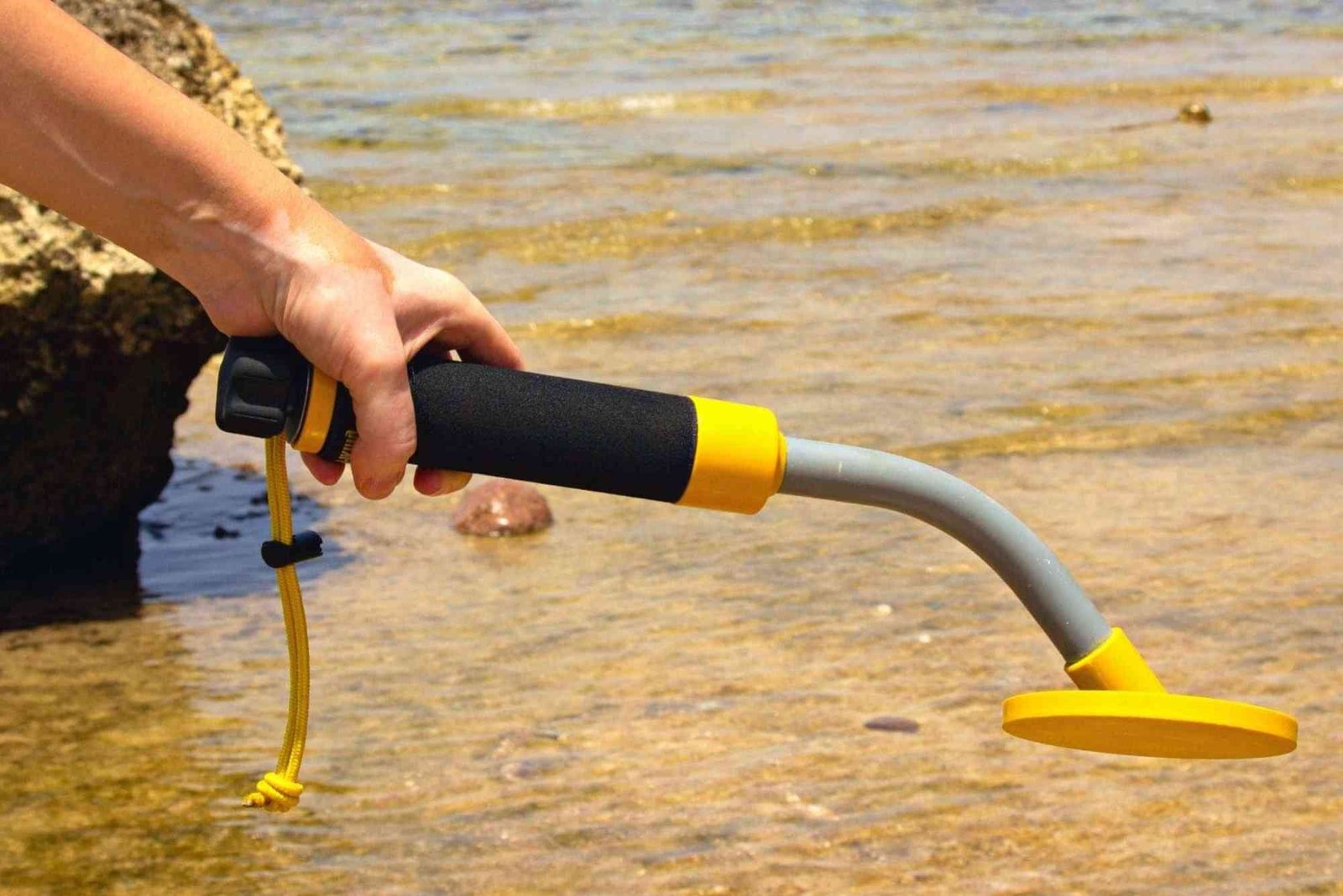
Introduction
Detecting treasure on wet, salty beaches or near ocean surf is a dream for many. But that dream quickly runs into a key question: Can Pulse Induction Detectors Work in Saltwater Areas? The answer isn’t a simple yes or no. It depends on how these detectors operate and how saltwater affects metal detection signals.
In this in-depth article, we’ll break down how pulse induction (PI) detectors function, why saltwater presents challenges, and how to use PI detectors effectively on salty beaches. Whether you’re a seasoned detectorist or a curious beginner, you’ll find real insight and practical guidance.
Induction Detectors Work in Saltwater Areas
Metal detecting near the ocean is exciting. The idea of finding lost jewelry, relics, or coins washed in by the tide draws thousands to saltwater zones each year. Yet many people quickly learn that standard metal detectors struggle on wet sand. That’s where pulse induction technology shines—or does it?
In this guide, we’ll answer the central question: Can Pulse Induction Detectors Work in Saltwater Areas? We’ll explore the science behind PI, compare it with other detector types, and share tips for saltwater detecting success. You’ll also find FAQs with real user questions to clear up common confusion.
By the end of this article, you’ll know whether a pulse induction detector makes sense for your saltwater hunts and how to get the best performance possible.
What Is a Pulse Induction Detector?
Pulse induction detectors send powerful, rapid bursts of current through the coil. Each pulse generates a magnetic field. When the pulse ends, the field collapses quickly, causing an electrical spike. Metal objects in the ground respond to these spikes, and the detector reads the returning signal.
How PI Technology Works
Pulse induction systems use one or more coils to send and receive signals. These bursts allow the detector to:
-
Penetrate deeper into the ground than many other detector types.
-
Ignore ground minerals that would normally interfere with detection.
-
Maintain stability in mineralized environments.
This last point is key. Saltwater-soaked sand and soil often cause false signals with traditional detectors. But PI machines are built to handle mineralized environments like beaches.
Why Saltwater Areas Challenge Metal Detectors
Saltwater is highly conductive. When detector coils pass over wet, salty sand, the conductive nature of the environment affects the electromagnetic signal. This results in:
-
false signals
-
unstable thresholds
-
loss of depth detection
-
chatter and noise
Saltwater disrupts detectors that rely on continuous waves and frequency mixing. Very few detector technologies handle this well. That’s where pulse induction becomes valuable.
Are Pulse Induction Detectors Suitable For Saltwater Areas
Yes, Are Pulse Induction Detectors Suitable For Saltwater Areas? In most cases, they are more suitable than VLF (very low frequency) detectors. Because PI detectors fire powerful pulses and listen for signal decay rather than frequency changes, they are less bothered by the conductive effects of saltwater.
This advantage doesn’t mean PI detectors are perfect. They still require careful handling, proper settings, and patience to perform well on wet, salty beaches.
Advantages of PI Detectors on Saltwater Beaches
Pulse induction detectors offer several key benefits near the ocean:
Better Ground Mineral Handling
PI detectors largely ignore ground mineralization. This is crucial because saltwater-saturated sand behaves like a mineralized ground. Standard VLF detectors often struggle with unstable signals, but PI machines remain stable.
Greater Depth Potential
PI detectors can detect deeper objects under the right conditions. On a beach with fewer metallic trash items, depth can make the difference between finding jewelry and missing it.
Simplified Target Response
While PI detectors don’t discriminate targets as well as VLF units, their consistent response helps hunters focus on meaningful strikes rather than reacting to ground noise.
Limitations of PI Detectors in Saltwater
Despite many advantages, PI detectors aren’t flawless. A few limitations include:
Poor Discrimination
Pulse induction detectors generally don’t distinguish easily between different metals. This means you may dig more trash than with other systems.
Less Target Identification
Because PI systems focus on signal strength and decay time, they offer limited explanations of what type of metal is present.
Heavier Machines
Many PI detectors are heavier and more power-hungry than lightweight VLF units. Long hunts on salty beaches under hot sun can be tiring.
Practical Tips for Using Pulse Induction Detectors in Saltwater
If you want to use a PI detector effectively at the beach, follow these expert tips:
Understand Your Detector’s Settings
Even though PI units have fewer controls, familiarizing yourself with sensitivity, ground balance options (if available), and audio modes makes a big difference.
Start in Dry Sand
Begin detecting above the high-tide line. Dry sand is less conductive and easier to work. This also builds your confidence as you learn how your machine behaves.
Work the “Wet-Dry” Line
Most seasoned beach detectorists make the wet-dry sand transition their priority zone. Here, saltwater has receded but still leaves behind interesting targets. Because this area is less conductive than fully soaked sand, you’ll get cleaner signals.
Slow and Steady
Sweep your coil slowly and fairly low over the sand. Faster sweeps can miss targets or confuse the detector’s grounding logic. Patience brings results.
Check for Tides and Weather
Plan your hunt according to tide schedules. Low tide exposes more ground and reduces saltwater interference. Windy conditions can also affect sand consistency and salt distribution.
Case Studies: Real Detectorists on Saltwater Beaches
Many detectorists have shared experiences using PI detectors in saltwater environments with varied outcomes:
Treasure Hunters on Ocean Shores
Experienced hunters report that their PI detectors maintain steady thresholds as long as they avoid full wet sand near breaking waves. With practice, these hunters can identify small gold rings and coins in surprisingly salty conditions.
Beginners Struggling with False Signals
Some beginners report frustration when their PI detector “chirps” constantly. Most of the time, this happens because the unit was not grounded properly or sensitivity was set too high for the conditions.
Across the board, the consensus among seasoned detectorists is that PI technology does work in saltwater areas—but only when you adapt your technique to the environment.
Common Mistakes to Avoid
Whether you’re new to detecting or experienced, avoid these common pitfalls:
Cranking Sensitivity Too High
Many beginners make the mistake of turning sensitivity all the way up. On saltwater terrain, high sensitivity leads to noise and false signals. Instead, find the balance between deep detection and stable thresholds.
Ignoring Ground Conditions
Detecting right at the waterline in fully saturated saltwater always leads to trouble. Learn where the beach transitions from dry to moist sand, and work smart.
Skipping Coil Maintenance
Saltwater, sand, and grit can wear down coils and hardware. Rinse your equipment with fresh water after each beach session to prolong life and performance.
Can Pulse Induction Detectors Work in Saltwater Areas — Final Verdict
So, Can Pulse Induction Detectors Work in Saltwater Areas? Yes, with conditions. PI detectors are among the most effective technologies for salty environments because they resist mineral interference and maintain stable performance.
Yet, their success hinges on correct usage. Understanding saltwater behavior, mastering your detector’s settings, and developing good technique are essential. When done right, PI detecting at the beach can be rewarding and exhilarating.
Pulse induction detectors offer a real solution where many other metal detectors fail. If you enjoy beach hunts or hope to recover lost items near ocean surf, PI technology deserves your attention. Remember to plan around tides, adjust sensitivity, and respect the challenges of saltwater environments.
If you’re ready to dive deeper into metal detecting and treasure hunting, explore more resources and stories. For Related Blog article and helpful guides that expand your knowledge, visit the blog section.
Whether you’re gearing up for your first saltwater hunt or upgrading your detector, understanding how pulse induction performs will set you up for success.
Ready to take your detecting further? Browse our posts at Are Pulse Induction Detectors Suitable For Saltwater Areas and transform your next beach hunt into a discovery adventure.
FAQs
Can pulse induction detectors find small items in wet sand?
Yes. While saltwater complicates detection, PI detectors can still pick up small metals if used correctly. Working the wet-dry line often yields the best results.
Are PI detectors better than VLF detectors for saltwater beaches?
Generally, yes. PI detectors handle conductive conditions like salty sand more effectively than VLF detectors, which struggle with ground mineralization.
Do I need a special coil for saltwater detecting?
Upgraded coils can improve performance but aren’t strictly necessary. Always match your coil size to the terrain and your detector’s capabilities.
How do I reduce false signals on the beach?
Start with moderate sensitivity, avoid fully wet sand, and move slowly. Fine-tuning your settings helps eliminate noise.
For More details on related topics and technology insights, you can check external resources and community forums.