
Introduction
Blockchain technology has become one of the most talked-about innovations in the digital world. Its applications stretch beyond cryptocurrencies into areas like finance, supply chain, healthcare, and even voting systems. But for many, blockchain seems complex and intimidating. The truth is, understanding blockchain doesn’t require a technical background. Let’s explore how blockchain technology works in simple terms, breaking down its components, processes, and benefits so anyone can grasp its power.
Understanding Blockchain: The Basics
At its core, blockchain is a type of database, but it is different from traditional databases in several key ways. Unlike a centralized database controlled by a single entity, blockchain is decentralized, meaning multiple participants share and manage the same data. This shared ledger ensures transparency, security, and trust without needing a middleman.
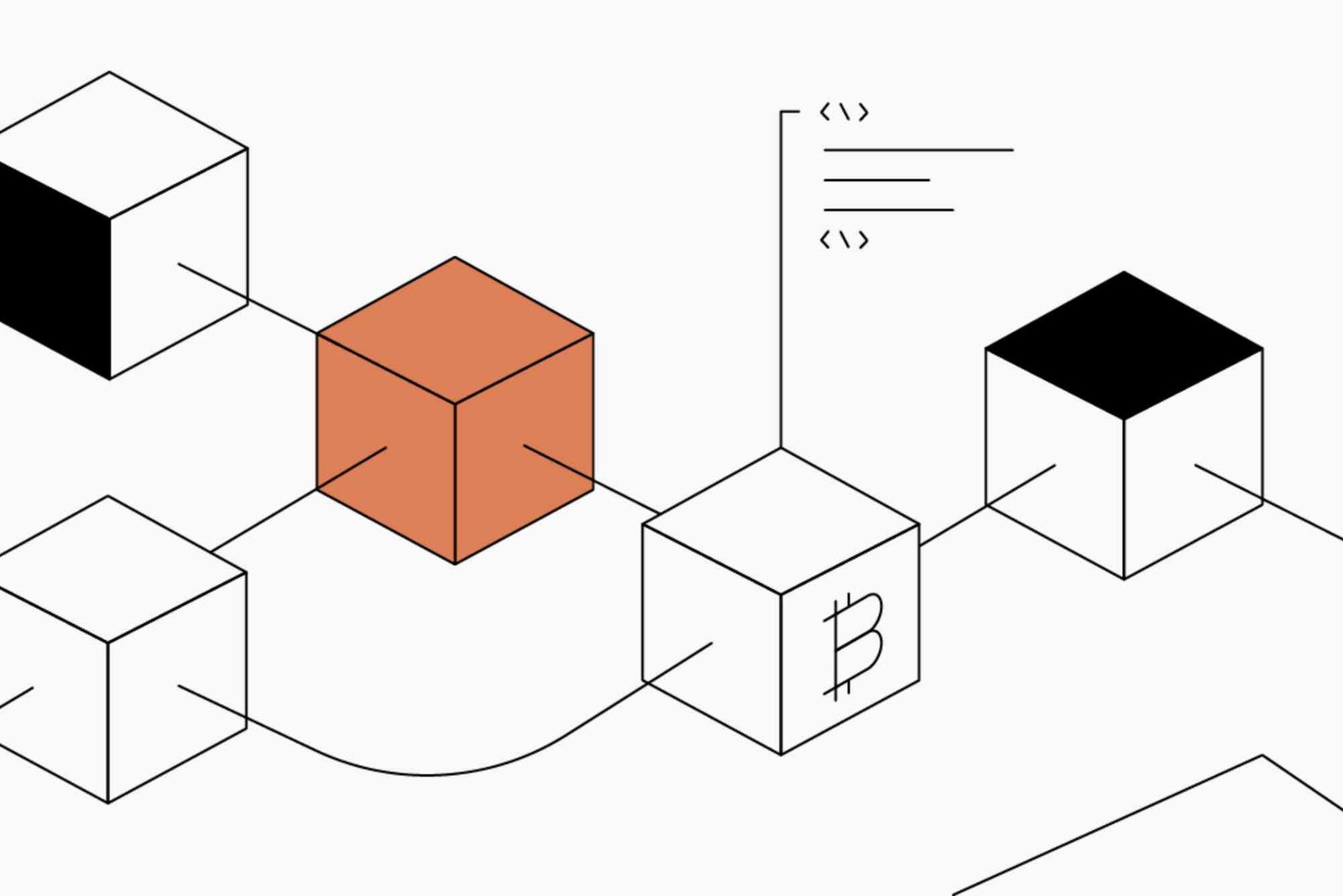
Blockchain stores information in “blocks,” which are linked together in a chronological chain. Each block contains data, a timestamp, and a reference to the previous block through a cryptographic code called a hash. Once information is added to a block and confirmed by the network, it cannot be altered. This immutability is one of blockchain’s strongest features.
The Concept of Decentralization
Decentralization means that data is not stored in one place. Instead, copies of the blockchain exist across a network of computers called nodes. Each node has the full history of the blockchain. When someone wants to add new data, the network must verify and agree on the transaction using consensus mechanisms. This prevents fraud and ensures that no single party can manipulate the system.
How Blocks are Connected
Blocks in a blockchain are connected in a linear, chronological order. Each block contains a hash of the previous block, creating a secure link. If someone tries to alter a block, its hash changes, breaking the chain and alerting the network. This design makes blockchain tamper-proof. Think of it as a digital ledger that everyone can see but no one can secretly modify.
How Transactions Work on a Blockchain
Whenever a transaction occurs on a blockchain, it goes through several steps before being permanently recorded. First, the transaction is proposed by a user. For example, sending cryptocurrency from one wallet to another. This transaction includes details like the sender, receiver, and amount.
Next, the transaction is broadcast to the network of nodes. Each node validates the transaction using cryptographic algorithms. Once verified, the transaction is grouped with other transactions into a new block. Then, the network agrees on adding the block to the chain using consensus methods such as Proof of Work or Proof of Stake. Finally, the block is added to the blockchain, and all nodes update their copies.
Proof of Work and Proof of Stake
Proof of Work (PoW) requires nodes called miners to solve complex mathematical puzzles to validate a block. It consumes significant computational power but is highly secure. Bitcoin uses PoW.
Proof of Stake (PoS) selects validators based on the amount of cryptocurrency they hold and are willing to “stake” as collateral. PoS is energy-efficient and faster, making it popular in newer blockchains like Ethereum 2.0.
Key Features of Blockchain
Blockchain technology offers several unique features that make it valuable across industries.
Transparency
Every participant in a blockchain network can see the transaction history. This transparency reduces fraud and builds trust among users, especially in financial and supply chain systems.
Security
Blockchain uses cryptography to secure data. Transactions are encrypted, and the immutability of blocks prevents unauthorized modifications. This makes blockchain highly resistant to hacking.
Decentralization
As discussed, decentralization ensures no single entity controls the network. Decisions are made collectively, reducing the risk of corruption or centralized failure.
Immutability
Once data is recorded, it cannot be changed. This is particularly useful for contracts, property records, and medical records where integrity is crucial.
Efficiency
Blockchain eliminates the need for intermediaries, speeding up processes like cross-border payments and record-keeping. This can significantly reduce costs and delays.
Real-World Applications of Blockchain
While blockchain is famous for powering cryptocurrencies like Bitcoin and Ethereum, its applications go far beyond digital money.
Financial Services
Blockchain enables faster and cheaper cross-border payments by removing banks from the equation. Smart contracts allow automated execution of financial agreements, reducing paperwork and delays.
Supply Chain Management
Blockchain provides end-to-end visibility in supply chains. Companies can track products from origin to consumer, ensuring authenticity and reducing counterfeit goods.
Healthcare
Patient records can be securely stored on a blockchain, giving authorized doctors access while maintaining privacy. This improves care coordination and prevents data breaches.
Voting Systems
Blockchain can enable transparent and tamper-proof voting. Each vote can be recorded as a transaction, making it almost impossible to manipulate results.
Real Estate and Property Records
Property ownership can be recorded on blockchain, reducing fraud and simplifying transactions. Smart contracts can automatically transfer ownership once payment is confirmed.
Advantages and Limitations
Blockchain brings significant benefits, but it also has limitations.
Advantages
Blockchain ensures trust without intermediaries, enhances security, and improves transparency. Its decentralized nature prevents single points of failure and allows global collaboration.
Limitations
Blockchain can be energy-intensive, especially PoW-based systems. Scalability is another challenge, as processing large volumes of transactions quickly can be difficult. Privacy is also a concern; while blockchain is transparent, sensitive information must be handled carefully.
How to Get Started with Blockchain
For individuals or businesses interested in blockchain, starting small is key. Learning basic blockchain concepts, experimenting with test networks, or using blockchain-based applications can provide practical experience. Companies can explore blockchain platforms that fit their needs, like Ethereum for smart contracts or Hyperledger for private enterprise networks.
Education and experimentation are the best ways to understand how blockchain technology works in simple terms and to explore its potential in real-world scenarios.
Blockchain technology is transforming the way we handle information, transactions, and trust. By combining decentralization, transparency, security, and immutability, it offers solutions across finance, supply chain, healthcare, and more. While it has challenges, the benefits make it a technology worth understanding. Whether you are a professional, entrepreneur, or enthusiast, grasping how blockchain works can open doors to innovation and efficiency.
Ready to explore blockchain in your business or personal projects? Start learning today and be part of the digital revolution that is reshaping the world.
The world of technology is evolving faster than ever. From AI advancements to quantum computing, 2025 promises innovations that will reshape industries, enhance daily life, and drive global connectivity. Stay ahead by exploring the Top Technology Trends Transforming the World in 2025 to understand how these breakthroughs will impact business, healthcare, and communication worldwide.
FAQ
What is blockchain in simple terms?
Blockchain is a decentralized digital ledger that records transactions in secure, linked blocks that cannot be altered.
How does blockchain ensure security?
Blockchain uses cryptography and decentralization. Each block has a hash linking it to the previous one, making tampering extremely difficult.
What is a block in blockchain?
A block is a collection of transactions or data, timestamped and linked to the previous block through a cryptographic hash.
Can blockchain work without cryptocurrency?
Yes, blockchain has applications beyond cryptocurrency, including supply chain, healthcare, voting, and data management.
Is blockchain difficult to understand?
Not at all. Breaking it down into blocks, chains, and nodes makes it easy to grasp, even for beginners.
Which industries benefit most from blockchain?
Finance, healthcare, supply chain, real estate, and voting systems benefit significantly from blockchain technology.