Introduction
Near Field Communication, commonly known as NFC, has transformed how modern devices communicate and interact with the world around them. From contactless payments to smart access control, NFC technology has become a standard feature in smartphones, smartwatches, and other connected devices. But what makes NFC so unique, and how does it function seamlessly in the devices we use every day? Understanding how NFC technology works in modern devices requires exploring its principles, applications, and the mechanics behind its smooth operation.
What Is NFC Technology?
NFC is a short-range wireless communication technology that enables devices to exchange data when they are close together, usually within a few centimeters. Unlike Bluetooth or Wi-Fi, NFC does not require pairing or complex setup processes, making it ideal for quick interactions. NFC builds upon RFID (Radio Frequency Identification) technology, using electromagnetic fields to transfer information between devices. This simplicity and convenience are why NFC has become prevalent in smartphones, payment terminals, and wearable gadgets.
The Key Features of NFC
Modern NFC devices are defined by their simplicity, speed, and security. NFC operates at a frequency of 13.56 MHz and supports data transfer rates ranging from 106 to 424 kilobits per second. Its short range ensures that communications are intentional, reducing the risk of accidental connections or security breaches. NFC also supports bidirectional communication, allowing two devices to exchange information rather than just sending or receiving data.
How NFC Works in Modern Devices
The operation of NFC in modern devices relies on three primary components: the NFC tag, the NFC reader, and the device’s secure processing system.
NFC Tags and Readers
NFC tags are small, embedded chips that store data. They can be passive, meaning they do not require a power source, or active, meaning they can transmit signals themselves. Most smartphones and smart devices act as both readers and writers, capable of scanning tags and sending information. When a device comes close to an NFC tag or another NFC-enabled device, it generates a small electromagnetic field. This field powers passive NFC tags, enabling them to send stored information back to the device instantly.
Peer-to-Peer Communication
One of the most powerful features of NFC is peer-to-peer communication. In this mode, two devices, such as smartphones, can exchange data directly. When two NFC-enabled devices are brought together, they establish a secure communication channel. This process is almost instantaneous, allowing for the transfer of contact information, photos, or app data without the need for cables or complex network connections.
Contactless Payments
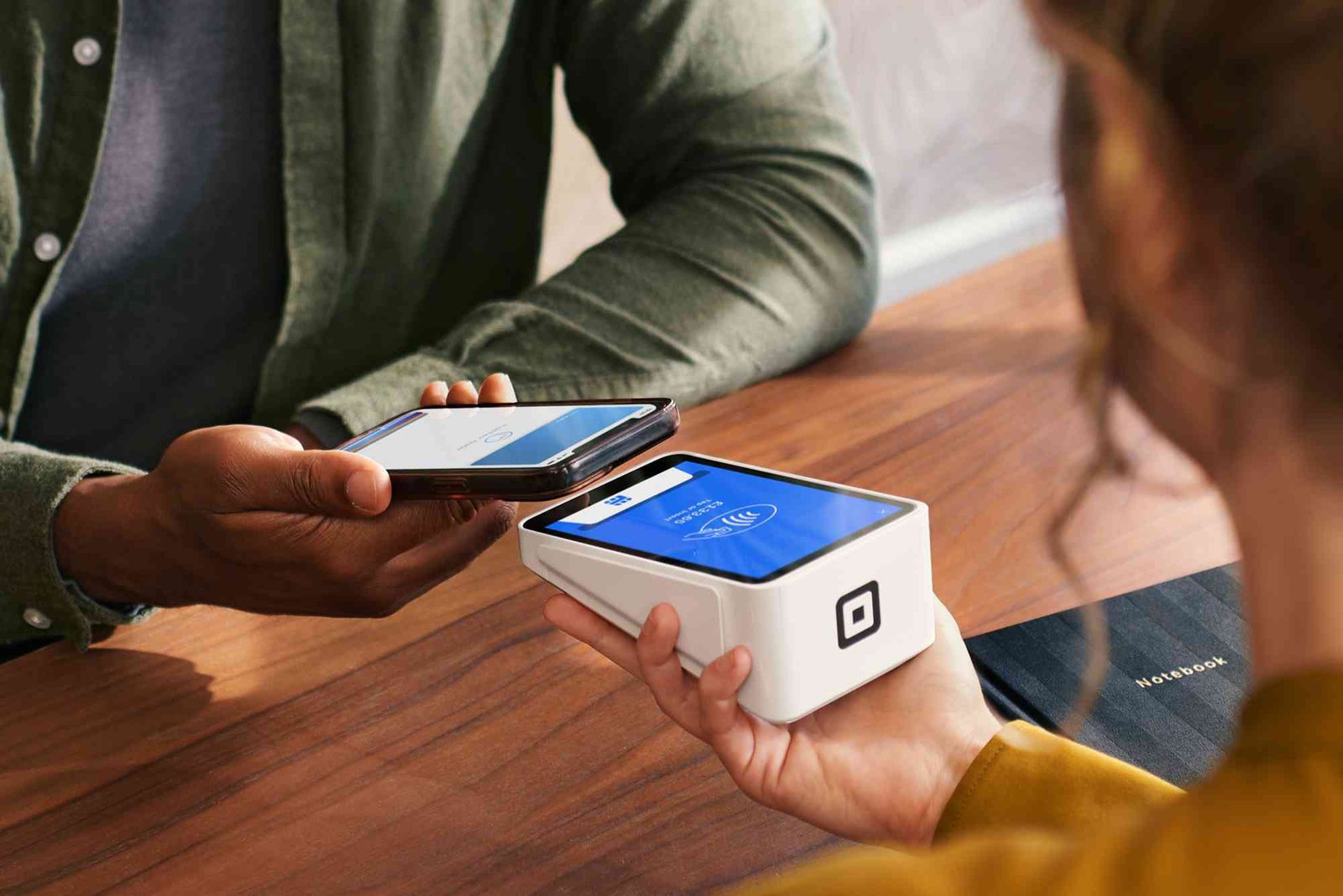
NFC technology has revolutionized the way people pay for goods and services. When using an NFC-enabled payment device, the transaction relies on secure encryption protocols. Payment information is stored safely on the device and transmitted only when the device is in close proximity to the payment terminal. Technologies such as tokenization ensure that sensitive card data is replaced with a unique token for each transaction, making the system secure and reducing the risk of fraud.
Smart Device Interactions
Beyond payments, NFC enables interactions between devices and their environment. Smart home devices, access systems, and even public transport cards rely on NFC for fast and secure authentication. For instance, tapping a smartphone on an NFC-enabled lock can unlock doors instantly, while NFC transit cards allow commuters to pay fares without fumbling for cash or cards. This interaction relies on the precise synchronization between the device and the NFC reader, demonstrating the technology’s convenience.
Security Aspects of NFC
Security is a major consideration for NFC, especially in financial transactions and personal data exchange. The short operational range of NFC makes it inherently safer than longer-range wireless technologies, but additional safeguards are necessary. Modern NFC devices use encryption, tokenization, and secure elements embedded in the hardware to protect sensitive information. These security measures ensure that even if a malicious actor attempts to intercept the communication, the data remains secure.
Encryption and Secure Channels
Data exchanged via NFC is encrypted to prevent unauthorized access. When performing a payment or transferring sensitive information, devices generate a one-time cryptographic key. This key ensures that even if the transmission is intercepted, the data cannot be understood or reused by attackers. Secure channels established during peer-to-peer communication also protect shared files, maintaining user privacy.
Tokenization in Payments
Tokenization replaces sensitive payment details with randomly generated codes that are unique to each transaction. This way, actual card information is never transmitted, reducing the risk of fraud. Many modern mobile wallets, such as Google Wallet and Apple Pay, rely on tokenization to provide a seamless and secure NFC payment experience.
Applications of NFC in Modern Devices
The versatility of NFC technology makes it applicable in a wide range of use cases. In addition to mobile payments and peer-to-peer transfers, NFC is increasingly used in transportation, retail, healthcare, and marketing.
Transportation and Ticketing
NFC-enabled tickets have simplified public transportation. Commuters can tap their NFC-enabled cards or smartphones to access buses, trains, or subways, making boarding faster and reducing congestion. Event organizers also use NFC wristbands or passes to streamline entry, enhance security, and provide a cashless experience.
Retail and Marketing
Retailers leverage NFC for both convenience and engagement. NFC tags embedded in products allow consumers to access product details, reviews, or promotional content instantly. Marketing campaigns also use NFC-enabled posters or displays to deliver interactive experiences, such as providing discounts or multimedia content with a simple tap.
Healthcare
In healthcare, NFC plays a crucial role in patient monitoring and medical record management. NFC-enabled devices can quickly exchange patient data between devices or link medical equipment to patient profiles. This instant data access improves workflow efficiency and reduces errors in clinical settings.
Smart Home Automation
NFC also integrates seamlessly into smart home ecosystems. Users can configure NFC-enabled switches, locks, or appliances to perform specific actions when tapped with a smartphone or wearable. For example, tapping a phone on a smart NFC tag near the entrance can turn on lights, adjust the thermostat, and unlock the door simultaneously.
Advantages of NFC Technology
NFC technology offers several advantages that make it ideal for modern devices. Its speed, ease of use, and low power consumption stand out as primary benefits. NFC enables quick transactions without physical contact, promoting hygiene and efficiency. Its secure design ensures that sensitive data, such as payment credentials, remain protected during transactions. Additionally, NFC is highly energy-efficient, requiring minimal power, which is especially valuable for battery-operated devices.
User Convenience
Perhaps the biggest advantage of NFC is user convenience. With just a tap, users can make payments, share data, or authenticate access. The simplicity of the interface reduces friction and enhances the overall user experience.
Enhanced Security
NFC’s short range, combined with encryption and secure element technology, significantly reduces security risks. Users can confidently perform financial transactions and share sensitive information without fear of unauthorized access.
Versatility and Integration
The flexibility of NFC allows it to be integrated into various devices and industries. From smartphones and smartwatches to smart cards and IoT devices, NFC can be applied to enhance convenience, communication, and security.
Future of NFC in Modern Devices
The future of NFC technology is bright, with potential expansion into new domains such as augmented reality, personalized marketing, and seamless IoT interactions. As devices become more interconnected, NFC is expected to play a central role in creating frictionless, secure, and context-aware user experiences. Innovations in encryption, power efficiency, and device integration will further enhance the capabilities and adoption of NFC in everyday life.
Understanding how NFC technology works in modern devices reveals why it has become an essential feature in our connected world. From fast contactless payments to smart home automation, NFC combines speed, security, and simplicity. Its ability to facilitate secure peer-to-peer communication, support tokenized transactions, and integrate seamlessly into multiple industries highlights its versatility. As technology advances, NFC will continue to enhance convenience, efficiency, and security for users worldwide. If you want to experience the benefits of NFC firsthand, consider exploring devices and systems that leverage this powerful technology to simplify your daily interactions.
The future of gaming promises an exciting blend of technology and creativity. With advancements in virtual reality, cloud gaming, and AI-driven experiences, players can expect more immersive worlds, smarter NPCs, and seamless multiplayer adventures. Games will not just entertain but also connect communities globally, offering personalized experiences like never before. The evolution of gaming is shaping a future where imagination meets cutting-edge technology.
(FAQs)
What devices support NFC technology?
Most modern smartphones, smartwatches, tablets, and payment terminals support NFC. Some IoT and smart home devices also incorporate NFC capabilities.
Is NFC safe for financial transactions?
Yes, NFC is safe due to encryption, secure elements, and tokenization, which protect sensitive payment information during transactions.
How close do devices need to be for NFC to work?
NFC works at a very short range, typically 4 centimeters or less, which prevents accidental or unauthorized data transfer.
Can NFC replace Bluetooth or Wi-Fi?
Not entirely. NFC is ideal for quick, short-range interactions, while Bluetooth and Wi-Fi handle longer-range communication and larger data transfers.
Can NFC work without power?
Passive NFC tags do not require a power source. They draw energy from the electromagnetic field generated by the active NFC device.