
Introduction
Maintaining your car suspension properly is essential for a smooth, safe, and efficient driving experience. The suspension system is responsible for keeping your vehicle stable, absorbing shocks from the road, and ensuring optimal contact between the tires and the road surface. Ignoring suspension maintenance can lead to poor handling, uneven tire wear, and potentially costly repairs. In this guide, we will discuss effective strategies and tips on how to maintain car suspension properly, ensuring your vehicle remains in peak condition.
Understanding the Car Suspension System
The car suspension system is a complex network of components designed to absorb road shocks, maintain stability, and improve overall driving comfort. It consists of springs, shock absorbers, struts, control arms, bushings, and other components that work together to manage the motion of the wheels and chassis. The system also supports the weight of the car and ensures that tires maintain proper contact with the road. Each component plays a vital role in delivering a smooth driving experience, making proper maintenance critical.
Signs That Your Suspension Needs Attention
Before diving into maintenance techniques, it is essential to recognize when your suspension system requires attention. Common signs of suspension problems include uneven tire wear, excessive bouncing after hitting a bump, swaying or leaning during turns, and unusual noises like clunking or squeaking. Drivers may also notice that the car pulls to one side while braking or accelerating. Identifying these signs early allows you to take preventive measures and avoid major repairs.
Regular Inspection and Maintenance
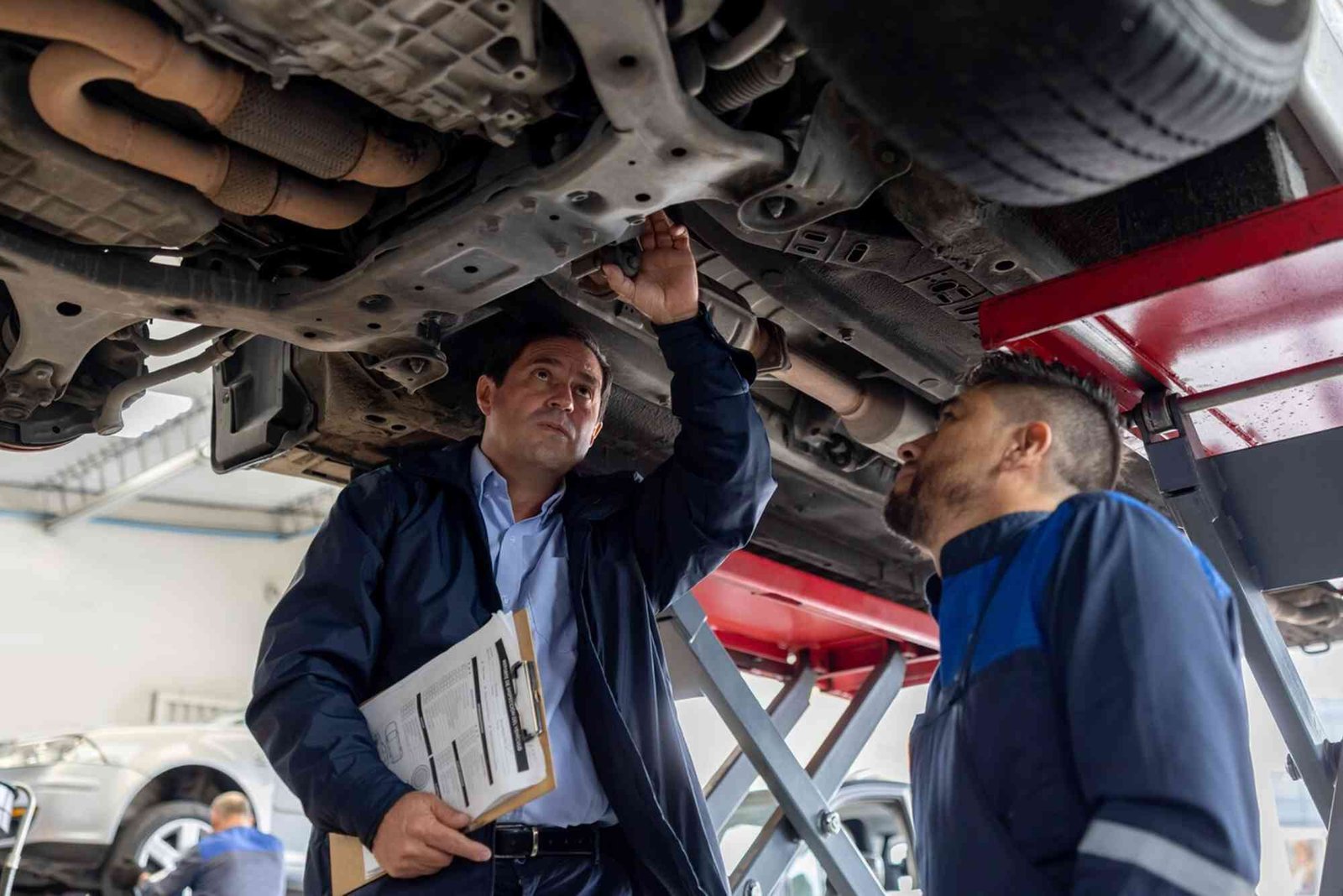
One of the most effective ways to maintain car suspension properly is through regular inspection. You should examine the suspension system at least twice a year or more frequently if you drive on rough roads. Start by checking the shock absorbers and struts for leaks, corrosion, or physical damage. Look for signs of worn-out bushings or loose bolts in control arms, which can affect vehicle stability. Tires should also be inspected for uneven wear, as this can indicate suspension misalignment. Regular inspections help detect minor issues before they escalate into costly problems.
Keeping Tires in Optimal Condition
Tires are directly connected to the suspension system, and their condition can affect suspension performance. Maintaining proper tire pressure is essential to reduce strain on the suspension components. Overinflated or underinflated tires can lead to uneven wear and impact the shocks and struts. Rotating tires regularly ensures even wear and prolongs the life of both tires and suspension components. Wheel alignment should also be checked periodically to prevent unnecessary stress on the suspension and maintain precise handling.
Protecting Shock Absorbers and Struts
Shock absorbers and struts are the heart of the suspension system. They control the vehicle’s movement and absorb bumps, ensuring stability and comfort. To maintain them properly, avoid overloading your vehicle, as excessive weight can reduce their lifespan. Driving carefully on rough roads also prevents premature wear. Signs of worn shocks or struts include bouncing excessively after a bump, nose-diving during braking, or increased stopping distance. If any of these signs appear, have a professional inspect and replace the components if necessary.
Maintaining Suspension Bushings and Joints
Suspension bushings and joints play a critical role in connecting the moving parts of the suspension system. Over time, these components can wear out or crack, leading to poor handling and increased noise. Regular inspection for wear, cracks, or deformation is crucial. Lubricating suspension joints and replacing worn bushings when needed helps maintain smooth operation and prolongs the life of other suspension components. Proper care of these small parts contributes significantly to overall suspension health.
Steering System and Alignment Checks
A properly maintained steering system is closely linked to suspension performance. Misalignment can cause uneven tire wear, reduce handling precision, and put stress on suspension components. Checking wheel alignment, steering responsiveness, and the condition of tie rods and ball joints ensures that the suspension works efficiently. Professional alignment services are recommended at least once a year or after major suspension repairs. Steering system maintenance enhances both safety and comfort on the road.
Driving Habits That Protect Suspension
How you drive directly impacts the longevity of your suspension system. Aggressive driving, such as rapid acceleration, hard braking, and sharp turns, can place excessive strain on suspension components. Avoid potholes, speed bumps at high speed, and uneven terrain whenever possible. Smooth driving not only protects the suspension but also enhances fuel efficiency and extends the life of tires. Cultivating mindful driving habits is a simple yet highly effective way to maintain car suspension properly.
Cleaning and Environmental Protection
Suspension components are exposed to dirt, moisture, and road debris, which can accelerate wear and corrosion. Regular cleaning of the undercarriage, especially in areas with snow, salt, or mud, helps prevent rust and damage. Applying protective coatings to metal parts can also extend their lifespan. Avoid parking in areas prone to flooding or excessive moisture, as this can compromise suspension components over time. Maintaining a clean and protected suspension system contributes to long-term durability.
Professional Inspection and Servicing
Even with regular self-checks, professional inspection is essential for maintaining car suspension properly. Certified mechanics have the expertise to detect subtle issues that may go unnoticed, such as internal damage in shocks or worn bushings. Scheduling routine suspension servicing according to the vehicle manufacturer’s recommendations ensures that all components function correctly. Professionals can also perform tasks like replacing worn struts, adjusting alignment, and lubricating critical parts. Investing in expert maintenance reduces the risk of major failures and costly repairs.
Common Suspension Maintenance Mistakes to Avoid
Many drivers unintentionally damage their suspension system by neglecting proper maintenance. Ignoring small issues like minor tire misalignment or minor noises can lead to bigger problems. Overloading the vehicle, driving aggressively, and skipping professional inspections are common mistakes. Using low-quality replacement parts or delaying repairs also shortens suspension lifespan. Awareness and careful maintenance help avoid these pitfalls and keep the suspension system working efficiently.
Benefits of Proper Suspension Maintenance
Maintaining your suspension properly offers several significant benefits. It improves driving comfort by reducing vibrations and harsh impacts from the road. Properly functioning suspension enhances safety by maintaining optimal tire contact and vehicle stability. It also prevents premature tire wear and reduces fuel consumption by ensuring efficient handling. Finally, regular maintenance saves money by avoiding expensive repairs caused by neglected suspension components. Overall, a well-maintained suspension system contributes to a smoother, safer, and more economical driving experience.
Signs You Need Immediate Suspension Repair
While regular maintenance prevents most issues, certain warning signs indicate the need for immediate repair. These include a noticeable drop in ride height, unusual noises like clunking or squeaking, excessive bouncing, steering difficulties, and uneven tire wear. If any of these occur, it’s crucial to consult a professional mechanic immediately. Delaying repairs can lead to further damage to the suspension system and other vehicle components, compromising safety and comfort.
How Often Should Suspension Be Serviced?
The frequency of suspension servicing depends on your driving conditions, vehicle type, and mileage. As a general guideline, a professional inspection is recommended every 12,000 to 15,000 miles or at least once a year. Vehicles driven on rough or unpaved roads may require more frequent checks. Always refer to the manufacturer’s maintenance schedule, as modern vehicles often have specific requirements for shocks, struts, and other suspension components. Consistent servicing ensures that the system performs optimally throughout the vehicle’s lifespan.
Understanding how to maintain car suspension properly is essential for safe, comfortable, and efficient driving. By regularly inspecting suspension components, maintaining tires, protecting shocks and struts, checking steering alignment, and adopting mindful driving habits, you can prolong the life of your vehicle’s suspension system. Avoiding common maintenance mistakes and seeking professional service when needed ensures that your car remains stable, responsive, and safe on the road. Proper suspension care not only protects your investment but also enhances overall driving enjoyment. Make it a priority to check and maintain your suspension regularly and experience the difference in comfort, safety, and performance.
Take action today: schedule a suspension check with a certified mechanic and keep your car performing at its best.
Understanding the top differences between hybrid and electric cars helps drivers choose the best eco‑friendly option for their lifestyle. Hybrid vehicles combine an internal combustion engine with an electric motor, while electric cars run solely on battery power, offering zero emissions. To explore key performance, cost, and environmental distinctions, check out this detailed guide:
FAQ
How often should I check my car suspension?
It’s recommended to inspect your suspension at least twice a year or every 12,000 miles.
What are the signs of a failing suspension?
Look for uneven tire wear, excessive bouncing, swaying while turning, and unusual noises.
Can I maintain suspension myself?
Basic inspections and tire maintenance can be done at home, but professional servicing is recommended.
Does driving on rough roads damage suspension?
Yes, consistent rough road driving accelerates wear on shocks, struts, and bushings.
Is suspension maintenance expensive?
Regular inspections and minor replacements are affordable and prevent costly repairs later.