Introduction
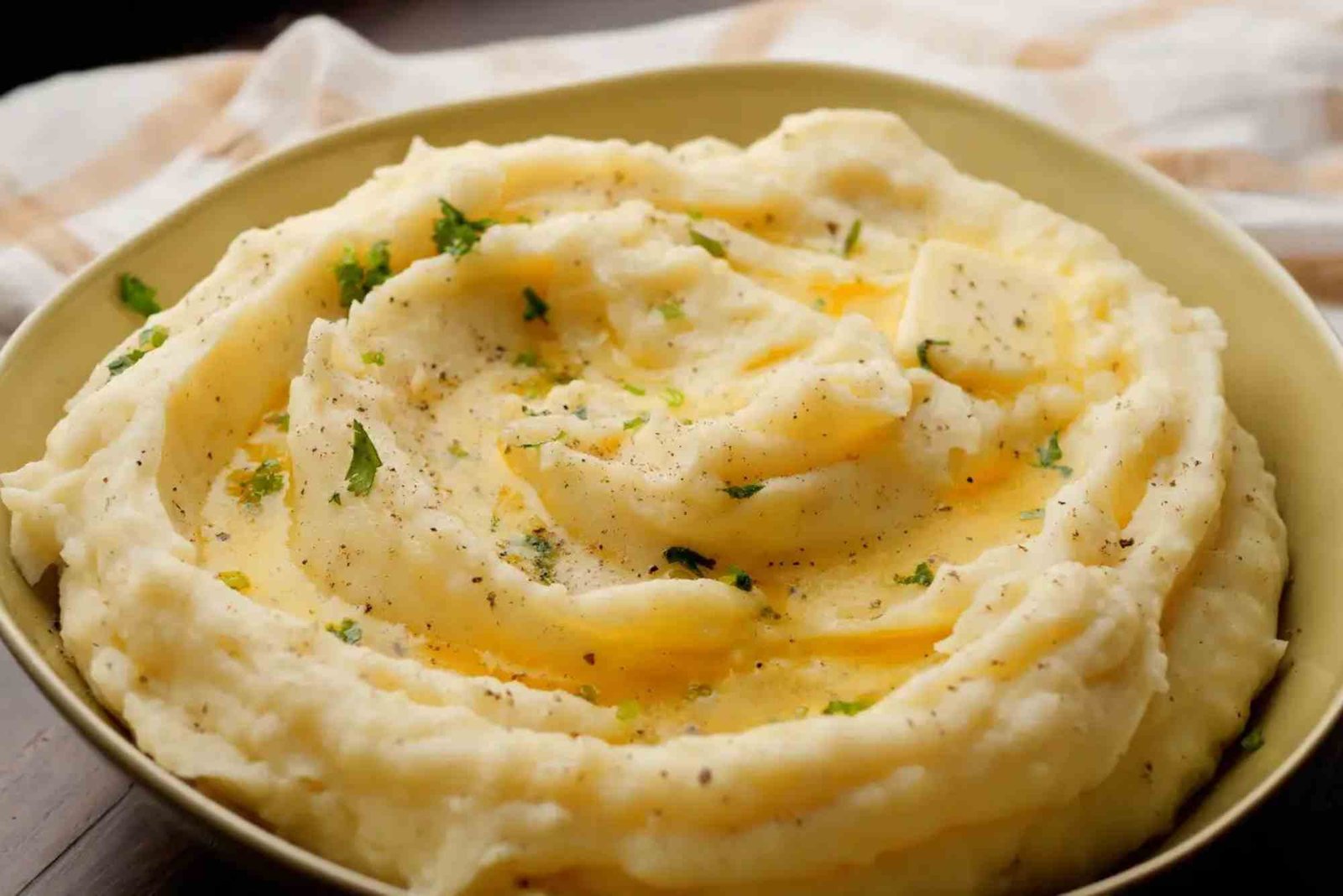
There’s nothing quite as comforting as a bowl of creamy mashed potatoes. Soft, buttery, and perfectly smooth, they’re a classic side dish that complements almost any meal—from roasted chicken to holiday turkey. But achieving that velvety texture isn’t always easy. Overworked potatoes can turn gluey, and undercooked ones leave lumps. In this guide, we’ll show you how to make creamy mashed potatoes that are rich, smooth, and irresistibly delicious every time.
Choosing the Right Potatoes
The first step in perfect mashed potatoes is selecting the right type of potato. Not all potatoes are created equal when it comes to mashing.
Russet Potatoes
Russets are high in starch, making them ideal for fluffy, smooth mashed potatoes. They absorb butter and cream beautifully, creating that classic creamy texture.
Yukon Gold Potatoes
Yukon Golds have a naturally buttery flavor and medium starch content. They’re slightly denser than russets but result in a rich, creamy mash with a golden hue.
Avoid Waxy Potatoes
Red potatoes and fingerlings are waxy and low in starch. While they hold their shape well for roasting or salads, they don’t mash as smoothly, leading to a denser, sometimes gluey texture.
Preparing Potatoes for Mashing
Proper preparation ensures even cooking and prevents a lumpy mash.
Peel or Leave Skin On?
Peeling potatoes is traditional for creamy mashed potatoes, but leaving the skin on can add texture and nutrients. If you prefer a silky smooth mash, peel the potatoes.
Cut Evenly
Chop potatoes into uniform chunks, about 1–2 inches. This ensures they cook evenly and reduces the risk of overcooking smaller pieces while waiting for larger chunks to soften.
Soak to Remove Starch
Soaking peeled potatoes in cold water for 30 minutes removes excess starch. This prevents the mash from becoming gluey and helps create a fluffier texture.
Cooking the Potatoes
Cooking technique is key to creamy mashed potatoes.
Boiling Method
- Place potatoes in a large pot and cover with cold water.
- Add a pinch of salt to season while cooking.
- Bring to a gentle boil, then reduce to a simmer.
- Cook for 15–20 minutes, or until a fork slides in easily.
Steaming Method
Steaming preserves more nutrients and flavor. Place potato chunks in a steamer basket over boiling water and cover. Steam for 20–25 minutes until tender.
Mashing Techniques
The right mashing method ensures smooth, creamy potatoes without overworking them.
Using a Potato Masher
A traditional masher works well for a rustic, slightly chunky texture. Press down gently and avoid over-mashing to prevent gluey results.
Using a Ricer or Food Mill
For ultra-smooth mashed potatoes, use a potato ricer or food mill. This method produces a velvety texture ideal for serving at formal dinners or holidays.
Avoid a Blender or Food Processor
High-speed blades break down starch too much, creating a gummy, gluey consistency. Stick to gentle mashing tools for the best results.
Adding Creaminess
The secret to rich mashed potatoes lies in the dairy.
Butter
Use unsalted butter, allowing you to control salt levels. Melt it before adding for smoother integration.
Cream and Milk
Warm cream or whole milk helps maintain temperature and enhances creaminess. Add gradually to achieve your preferred consistency.
Optional Flavor Enhancers
- Sour cream or cream cheese: Adds tanginess and richness.
- Garlic: Roast or boil with potatoes for subtle flavor.
- Herbs: Chives, parsley, or thyme for a fresh, aromatic touch.
Seasoning Your Mash
Don’t forget seasoning—it elevates the flavor from basic to exceptional.
- Salt: Always season the cooking water and adjust at the end.
- Pepper: Freshly cracked black pepper adds subtle heat.
- Nutmeg (optional): A pinch of nutmeg can enhance buttery flavors in holiday dishes.
Serving and Storing
Serve creamy mashed potatoes immediately for the best texture.
Presentation Tips
- Use a spoon to create soft peaks.
- Drizzle melted butter on top for shine.
- Garnish with fresh herbs or grated cheese for added appeal.
Storing Leftovers
Store in an airtight container in the refrigerator for up to 3 days. Reheat gently with a splash of milk or cream to restore creaminess.
Troubleshooting Common Issues
Even experienced cooks encounter problems. Here’s how to fix them:
- Lumpy Potatoes: Ensure even cuts and cook fully. Use a ricer for smooth texture.
- Gluey Texture: Avoid over-mashing. Use starchy potatoes and drain well.
- Too Dry: Add warm milk or cream gradually while mashing.
- Too Runny: Simmer on low to thicken, or add a bit more butter.
FAQs
How do you make mashed potatoes creamy without milk?
Use butter, cream cheese, or chicken/vegetable broth to achieve creaminess without milk.
Can I make mashed potatoes ahead of time?
Yes, cook and mash potatoes, then store in an airtight container. Reheat with a little milk or cream before serving.
Why are my mashed potatoes lumpy?
Lumps usually result from uneven cutting, undercooked potatoes, or using a blender. Use uniform chunks and mash gently.
Can I use instant mashed potatoes?
Instant mashed potatoes work in a pinch but lack the rich texture and flavor of fresh, creamy mashed potatoes.
How can I make mashed potatoes extra fluffy?
Choose high-starch potatoes like russets, soak them, and use a ricer or food mill to mash gently.
Making creamy mashed potatoes is both an art and a science. By choosing the right potatoes, cooking them properly, and adding the perfect balance of butter and cream, you can create a side dish that’s smooth, buttery, and irresistible. Whether for a family dinner or a festive holiday meal, mastering this recipe will elevate your cooking and impress everyone at the table.
Best Pasta Sauce Recipes from Scratch – Creating pasta sauce from scratch brings unmatched flavor and freshness to your meals. Whether it’s a rich tomato basil, creamy Alfredo, or spicy arrabbiata, homemade sauces let you control ingredients, taste, and texture. Perfect for elevating any pasta dish into a restaurant-quality experience.