
Introduction
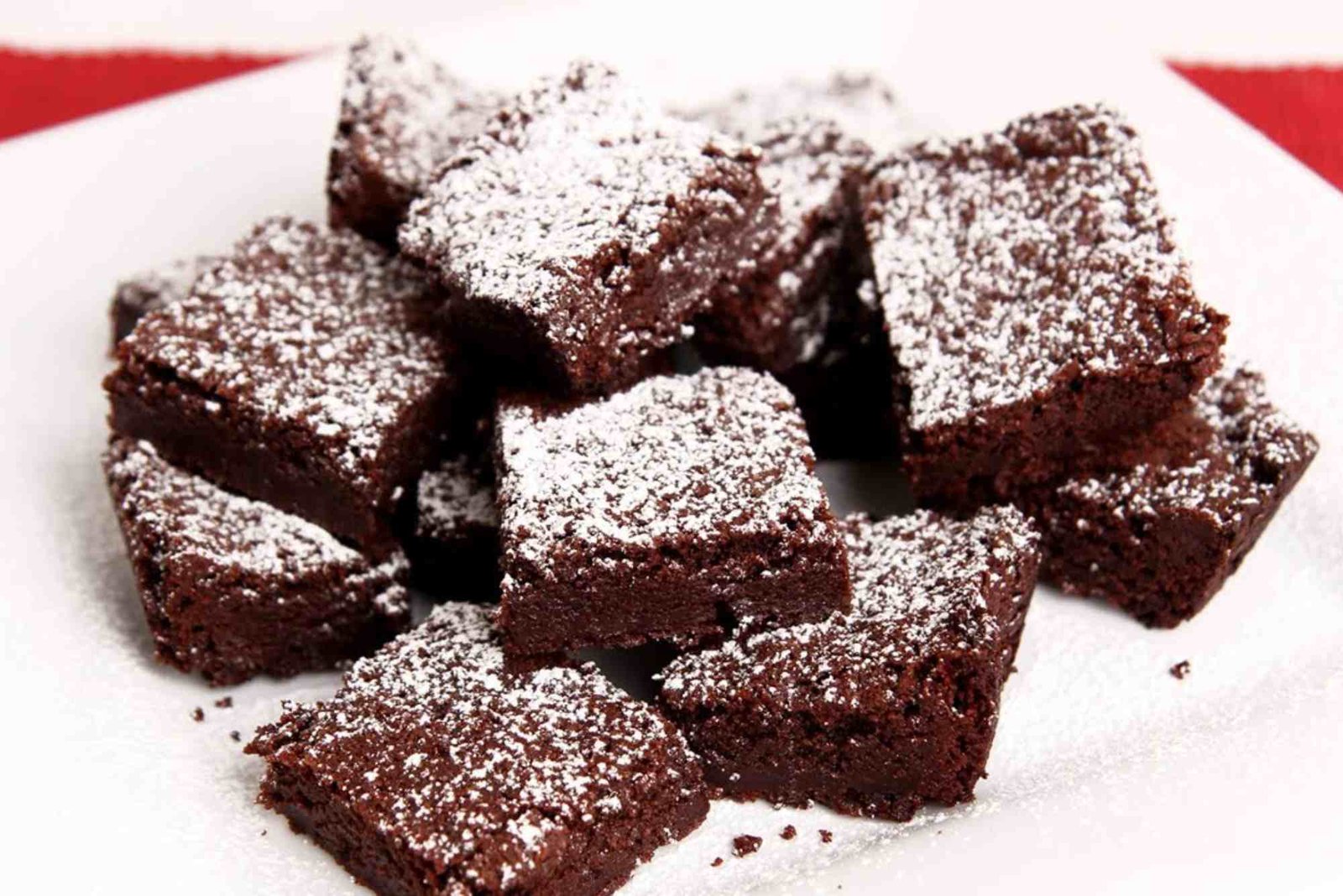
Brownies are a classic dessert loved by chocolate enthusiasts around the world. The combination of a rich, fudgy texture with a slightly crisp top makes them irresistible. While some brownies can turn out cakey or dry, mastering the art of soft and chewy brownies requires attention to ingredient ratios, mixing techniques, and baking time. In this guide, you will learn how to create decadent, soft, and chewy brownies that melt in your mouth while maintaining structure.
Understanding the Science of Soft & Chewy Brownies
The Role of Ingredients
Each ingredient in brownies plays a vital role in determining the final texture. Butter or oil provides moisture and richness. Sugar not only sweetens but contributes to chewiness through caramelization. Eggs bind the ingredients together and add structure. Choosing high-quality chocolate or cocoa powder ensures an intense flavor.
Fat: Butter vs Oil
Using butter gives a rich, creamy taste and helps form a slightly crisp top. Oil, on the other hand, keeps brownies moist and softer, even after cooling. Many recipes combine melted butter with a small amount of oil to balance flavor and texture.
Sugar and Sweetness
Brown sugar adds extra moisture and chewiness due to its molasses content, while white sugar contributes to crispness. Using a combination of both sugars is often the key to achieving that perfect soft and chewy texture.
Eggs and Protein
Eggs provide structure through their proteins. Using more eggs can make brownies denser and fudgier, while fewer eggs produce lighter, more cake-like brownies. Room-temperature eggs mix better, creating an even texture.
Flour and Gluten
All-purpose flour is commonly used, but the amount matters. Too much flour can make brownies dry and cakey, while too little can cause them to collapse. Sifting flour before adding it ensures no lumps and a smoother consistency.
Guide to Making Soft & Chewy Brownies
Ingredients You’ll Need
- 1 cup unsalted butter, melted
- 1/2 cup vegetable oil
- 2 cups granulated sugar
- 1 cup brown sugar, packed
- 4 large eggs, at room temperature
- 1 tablespoon vanilla extract
- 1 cup all-purpose flour
- 1 cup unsweetened cocoa powder
- 1/2 teaspoon salt
- 1 cup chocolate chips (optional, for extra gooeyness)
Preparation Steps
Preheat and Prepare
Preheat your oven to 350°F (175°C). Line a 9×13-inch baking pan with parchment paper and lightly grease it to prevent sticking. Proper preparation ensures even baking and easy removal.
Mix Wet Ingredients
In a large mixing bowl, combine melted butter, oil, granulated sugar, and brown sugar. Stir until fully incorporated. Add eggs one at a time, mixing well after each addition, then add vanilla extract. The mixture should be smooth and glossy.
Combine Dry Ingredients
In a separate bowl, whisk together flour, cocoa powder, and salt. Gradually fold the dry mixture into the wet mixture, mixing gently to avoid overworking the batter. Overmixing can develop gluten, making brownies tough instead of chewy.
Add Chocolate Chips
For extra gooeyness, fold in chocolate chips or chunks at this stage. This step is optional but highly recommended for chocolate lovers who crave pockets of melted chocolate in every bite.
Bake to Perfection
Pour the batter into the prepared pan, spreading it evenly. Bake for 30–35 minutes. Keep a close eye: brownies are done when a toothpick inserted into the center comes out with a few moist crumbs. Avoid overbaking; the residual heat will continue to cook the brownies after removing them from the oven.
Cool Before Cutting
Allow brownies to cool completely in the pan for at least 20–30 minutes. This helps them set and makes cutting easier. Use a sharp knife and wipe it clean between cuts for neat squares.
Tips for Perfect Soft & Chewy Brownies
Use Quality Chocolate
High-quality cocoa powder or chocolate directly affects the flavor. Look for chocolate with 60–70% cocoa content for rich, indulgent brownies.
Don’t Overbake
Overbaking is the most common mistake that leads to dry brownies. Remember that slightly underbaked brownies are soft and chewy once cooled.
Experiment with Add-ins
Walnuts, pecans, caramel swirls, or even a touch of espresso powder can elevate your brownies without changing the texture.
Store Properly
Store brownies in an airtight container at room temperature for up to 4 days. For longer storage, wrap them tightly in plastic and freeze for up to 2 months.
Cut with Confidence
For clean edges, chill brownies slightly before cutting. Wiping the knife after each cut prevents crumbs from sticking.
FAQs
How can I make brownies extra fudgy?
Use more butter and chocolate, reduce the flour slightly, and avoid overmixing. Baking just until the center is set also ensures fudginess.
Can I substitute eggs in brownies?
Yes, mashed bananas, applesauce, or commercial egg replacers can work, but texture may vary slightly. Eggs provide structure and moisture, so adjustments are needed.
Why are my brownies dry?
Dry brownies are usually overbaked, have too much flour, or lack enough fat. Measure ingredients accurately and follow baking time carefully.
What’s the best pan size for brownies?
A 9×13-inch pan is standard for thick, chewy brownies. Using a larger pan will produce thinner brownies, which may bake faster.
Can I use a different type of sugar?
Brown sugar adds chewiness, while white sugar gives crispness. Using a combination produces the best soft and chewy texture.
Making soft and chewy brownies is both an art and a science. By understanding the role of each ingredient, following proper mixing techniques, and baking carefully, you can create decadent brownies every time. These treats are perfect for family gatherings, parties, or a simple indulgent snack at home. Don’t be afraid to experiment with flavors and add-ins to make the recipe your own.