
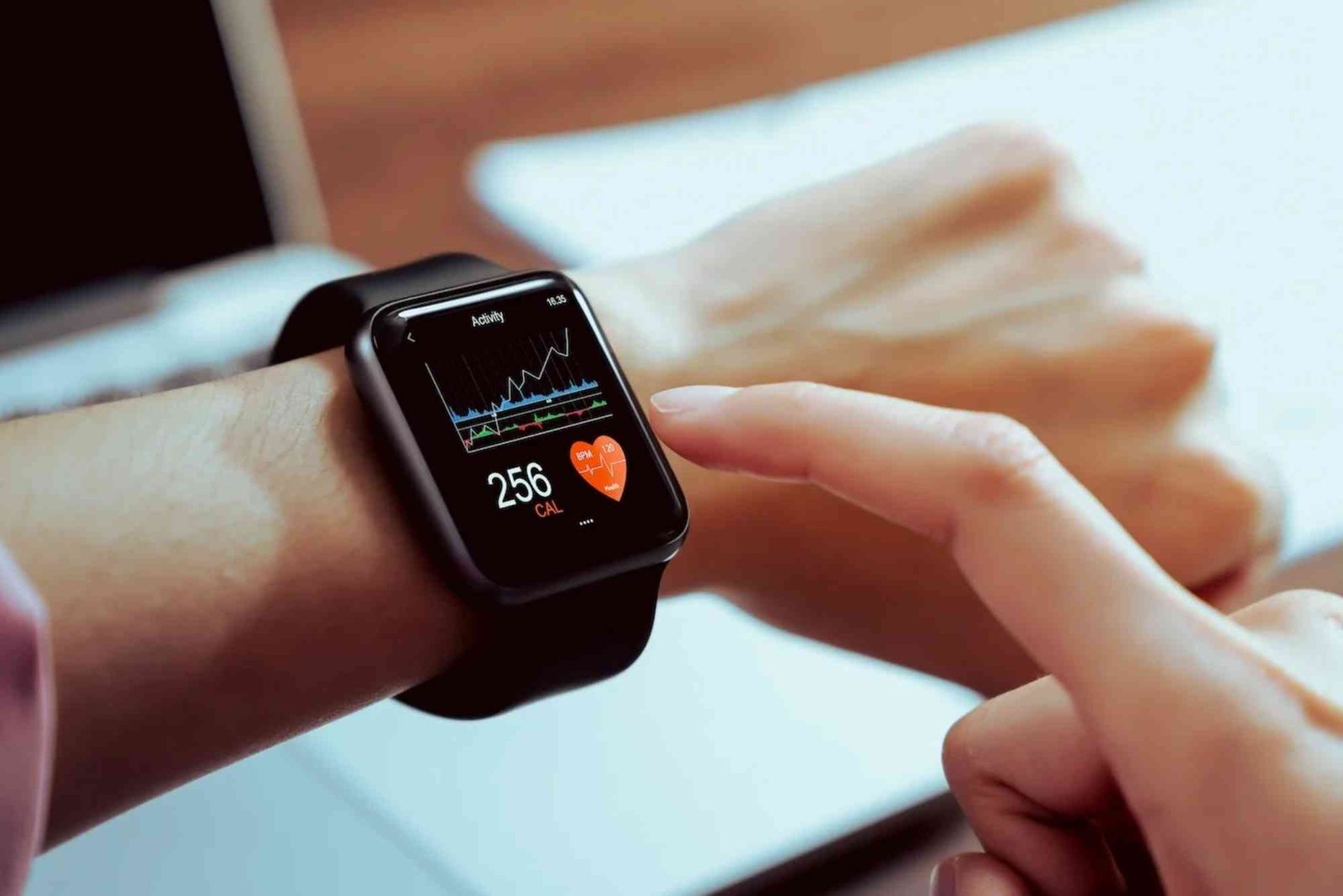
Introduction
In recent years, wearable technology has transformed the way people manage their health. From smartwatches to fitness trackers, these devices are no longer just gadgets—they are powerful tools that provide insights into physical activity, heart health, sleep patterns, and even stress levels. Understanding how wearable technology is improving health allows individuals to make more informed decisions about their lifestyle and well-being, bridging the gap between healthcare and personal responsibility.
The Rise of Wearable Health Technology
Wearable devices have grown exponentially due to technological advancements and increasing consumer interest in self-monitoring. These devices combine sensors, data analytics, and connectivity to deliver real-time information about the user’s body. Beyond simple step counting, modern wearables can measure heart rate variability, blood oxygen levels, and even detect irregular heart rhythms. The integration of artificial intelligence further enhances their ability to provide actionable health insights.
Healthcare providers have also embraced wearables for remote monitoring, especially for patients with chronic conditions. Continuous data collection helps physicians detect issues earlier, adjust treatments, and improve patient outcomes. In this way, wearable technology is improving health not only at the individual level but also across the broader healthcare ecosystem.
Key Features of Wearable Health Devices
Real-Time Monitoring
One of the most significant benefits of wearables is real-time health monitoring. Devices track vital signs like heart rate, blood pressure, and oxygen saturation throughout the day. This continuous stream of data allows users to recognize patterns in their health, identify potential problems early, and take proactive measures. For example, a sudden increase in resting heart rate may signal stress or the onset of illness, prompting timely medical consultation.
Activity and Fitness Tracking
Wearable technology provides detailed insights into daily activity levels, exercise routines, and calorie expenditure. Many devices offer personalized workout recommendations based on user behavior and goals. By visualizing progress through graphs and trends, individuals are more motivated to maintain a consistent fitness routine. This ongoing feedback loop has been shown to increase adherence to exercise plans, supporting overall cardiovascular and metabolic health.
Sleep Analysis
Sleep plays a critical role in physical and mental well-being. Wearable devices use accelerometers, heart rate sensors, and even advanced algorithms to monitor sleep quality. They can detect sleep stages, duration, and disruptions. By understanding their sleep patterns, users can implement habits that improve rest, such as adjusting bedtime routines or managing environmental factors like light and temperature. Improved sleep has direct effects on immunity, cognition, and emotional health.
Stress and Mental Health Monitoring
Modern wearables often include features to monitor stress and emotional well-being. By tracking heart rate variability, skin conductance, and activity patterns, these devices can provide alerts when stress levels are elevated. Users can respond with breathing exercises, mindfulness sessions, or relaxation techniques. Some wearables even integrate with mental health apps, offering personalized guidance to support emotional resilience.
Personalized Health Insights
Wearables do more than record data—they interpret it. Using AI and machine learning, devices offer personalized insights tailored to individual lifestyles. For instance, if a user consistently shows elevated heart rates during workouts, the wearable may suggest modifying intensity or incorporating rest days. These recommendations are evidence-based and actionable, turning raw data into meaningful health strategies.
Benefits for Individuals
Wearable technology empowers individuals to take control of their health. By offering continuous monitoring, actionable insights, and motivation for healthy behaviors, wearables encourage proactive self-care. Users become more aware of their physical state, enabling informed decisions about diet, exercise, and lifestyle habits. This level of engagement can prevent minor issues from escalating into chronic conditions, ultimately improving quality of life.
In addition, wearables foster accountability. Social features, challenges, and progress sharing motivate users to maintain healthy routines. Tracking milestones and receiving feedback helps sustain long-term health goals, making wellness a more achievable and measurable pursuit.
Impact on Healthcare Professionals
Healthcare providers benefit greatly from the adoption of wearable technology. Remote patient monitoring reduces the need for frequent office visits, saving time for both patients and practitioners. Real-time data enables physicians to detect early warning signs of disease, adjust treatments, and make data-driven decisions. Chronic disease management, including diabetes and hypertension, has improved with continuous monitoring, leading to fewer hospitalizations and better patient outcomes.
Moreover, wearables enhance preventive care. Physicians can analyze trends in physical activity, sleep, and heart health to provide personalized recommendations. This approach shifts healthcare from reactive to proactive, emphasizing prevention over treatment.
Integration with Digital Health Ecosystems
Wearable devices are increasingly integrated into broader digital health ecosystems. They connect with smartphones, health apps, and cloud platforms to provide comprehensive insights. Data synchronization enables users and healthcare providers to track long-term trends, share information securely, and make informed decisions collaboratively.
Integration with electronic health records (EHRs) further strengthens clinical utility. Doctors can review patients’ wearable data during consultations, offering a more accurate and complete view of health. This connectivity enhances communication between patients and providers, promoting a more personalized and efficient healthcare experience.
Challenges and Considerations
Despite the clear benefits, wearable technology faces challenges. Accuracy of measurements can vary, and users may misinterpret data without proper context. Privacy and data security remain critical concerns, as sensitive health information is collected and stored digitally. Users must ensure devices comply with regulations and use secure platforms.
Another challenge is adherence. Some individuals may stop wearing devices due to discomfort, battery limitations, or loss of interest. Manufacturers are continually improving ergonomics, battery life, and user engagement to address these issues. Understanding that wearables complement, rather than replace, professional medical advice is also essential.
Future of Wearable Health Technology
The future of wearables in healthcare is promising. Advanced sensors, AI integration, and predictive analytics will make devices even more capable. Innovations like continuous glucose monitoring, non-invasive blood pressure measurement, and early disease detection are already emerging. The combination of wearables with telemedicine and AI-driven health platforms will revolutionize preventive care and chronic disease management.
As technology evolves, wearables will become more personalized and context-aware, offering real-time guidance tailored to individual needs. The potential to transform healthcare delivery, improve health outcomes, and empower individuals to take control of their wellness is immense.
Wearable technology is improving health by providing real-time monitoring, personalized insights, and actionable guidance. These devices empower individuals to track physical activity, sleep, heart health, and stress, while also supporting healthcare professionals in delivering proactive care. As the technology advances, wearables will play an even greater role in preventive health, chronic disease management, and overall well-being.
Investing in a wearable device today can be the first step toward a healthier, more informed lifestyle. Embrace this technology, monitor your progress, and take charge of your health journey.
Future technologies promise to transform human life in unprecedented ways. Innovations like AI, robotics, and biotechnology will reshape work, healthcare, and daily living, making tasks faster, safer, and more efficient. Smart cities, personalized medicine, and sustainable energy solutions will enhance quality of life, while digital connectivity bridges global gaps. Embracing these advancements responsibly can unlock a future full of opportunities and progress.
FAQ
How accurate are wearable health devices?
Accuracy varies by device and metric. While heart rate and steps are generally reliable, advanced measurements may require medical validation.
Can wearables detect serious health issues?
Some devices can detect irregular heart rhythms, sleep apnea, or abnormal oxygen levels, but they are not a replacement for professional medical diagnosis.
Do wearables improve mental health?
Yes, many devices monitor stress and encourage mindfulness exercises, which can support emotional well-being.
How do wearables help with chronic disease management?
Wearables provide continuous monitoring, allowing doctors to adjust treatments, detect complications early, and guide lifestyle changes.
Are my health data safe with wearables?
Data privacy depends on the device and platform. Users should choose reputable brands and secure apps with strong encryption.
Can children use wearable health devices?
Many wearables are designed for all ages, but parental supervision is recommended to interpret data and set safe limits.