Introduction
The evolution of mobile technology over the years is a fascinating journey that reflects humanity’s drive for connection and convenience. From bulky, limited-functionality devices to the sleek smartphones of today, mobile technology has dramatically reshaped communication, business, and daily life. Understanding this transformation offers insight into both the technological advancements and societal changes that have influenced modern life.
Early Beginnings: The Birth of Mobile Communication
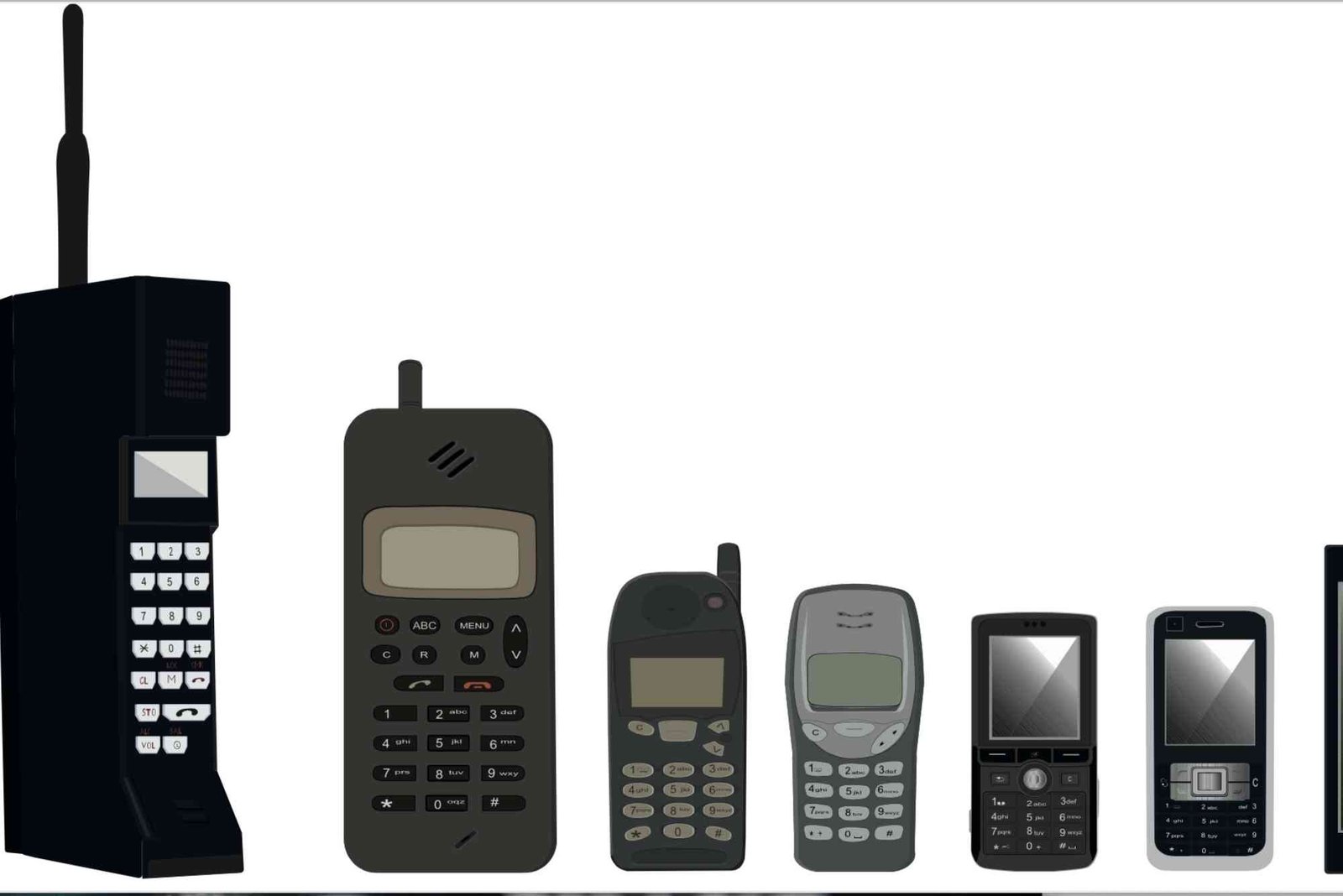
Mobile technology started in the mid-20th century when engineers envisioned untethered communication. The first generation of mobile phones, launched in the 1980s, was large, expensive, and primarily used for voice communication. These devices relied on analog networks and offered limited coverage. Despite their constraints, they marked a revolutionary shift in communication, laying the foundation for future mobile innovations.
The First Mobile Phones
The earliest mobile phones were designed for practicality, not convenience. Car phones were common, and handheld models were rare. With minimal battery life and limited signal availability, mobile communication was primarily a luxury for business executives and government officials. These early devices highlighted the possibilities of wireless communication, even if mass adoption was decades away.
Transition to Digital Networks
By the 1990s, the transition from analog to digital networks began. Digital technology improved call quality, network capacity, and security. The introduction of 2G networks allowed text messaging, which quickly became a popular form of communication. Mobile devices began shrinking in size, signaling a move toward portability and everyday usability.
The Rise of Feature Phones
The late 1990s and early 2000s saw the emergence of feature phones, which were smaller, more affordable, and packed with additional functions beyond calling and texting. Users could access calendars, calculators, games, and basic internet services. Brands like Nokia, Motorola, and Sony Ericsson became household names, shaping the mobile market with durable designs and user-friendly interfaces.
Enhanced Connectivity
Feature phones introduced services like WAP browsing, which enabled limited internet access. While the experience was rudimentary by modern standards, it opened the door to mobile-based information consumption and communication. Messaging services became a cultural phenomenon, with SMS becoming a vital part of social interaction worldwide.
Multimedia Capabilities
The first cameras in mobile phones appeared during this period, along with simple music playback and FM radios. These features demonstrated mobile technology’s potential to serve as a multi-functional device, setting the stage for the smartphone revolution.
The Smartphone Revolution
The introduction of smartphones in the late 2000s represented a pivotal moment in the evolution of mobile technology over the years. Devices like the iPhone and early Android smartphones combined communication, entertainment, and computing power in one compact form. These devices relied on 3G and later 4G networks, offering high-speed internet, advanced apps, and multimedia capabilities.
Touchscreens and App Ecosystems
Touchscreen technology transformed user interaction, making devices more intuitive and versatile. App stores created an ecosystem where developers could offer games, productivity tools, and services directly to consumers. This development encouraged innovation and personalized experiences, fueling rapid smartphone adoption across demographics.
Mobile Internet and Social Media
High-speed mobile networks enabled users to browse websites, stream videos, and access social media platforms seamlessly. Mobile devices became central to personal and professional life, allowing instant communication through messaging apps and email, reshaping social interactions, and even altering how businesses operate.
Modern Mobile Technology: Smart, Fast, and Connected
Today, mobile technology is defined by speed, intelligence, and integration. Smartphones are now equipped with powerful processors, high-resolution cameras, biometric security, and AI-powered assistants. Mobile devices have evolved into essential tools for communication, entertainment, education, health monitoring, and financial management.
5G and Beyond
The rollout of 5G networks has further accelerated mobile technology’s capabilities. With faster data speeds, lower latency, and improved connectivity, mobile devices support advanced applications such as augmented reality, cloud gaming, and real-time streaming. This technology is transforming industries, enabling smart cities, remote healthcare, and connected vehicles.
Artificial Intelligence and Mobile Innovation
AI integration has revolutionized mobile technology over the years by providing personalized experiences, intelligent photography, predictive text, and voice-activated assistants. AI enables smartphones to learn user behavior and adapt to individual needs, enhancing both convenience and productivity.
Wearable Integration
Modern mobile technology extends beyond smartphones to wearables like smartwatches and fitness trackers. These devices sync seamlessly with mobile phones, offering notifications, health metrics, and interactive apps. This ecosystem creates a connected lifestyle, demonstrating how mobile technology now permeates nearly every aspect of life.
Future Trends in Mobile Technology
The evolution of mobile technology over the years continues at a rapid pace, with innovations that promise to redefine the concept of mobility. Foldable devices, extended reality, and advanced AI applications are shaping the next generation of smartphones. Energy-efficient technologies and improved battery life are also key areas of development, aiming to enhance usability and sustainability.
Foldable and Flexible Devices
Foldable screens and flexible materials are introducing new design possibilities, merging portability with larger display areas. These innovations enable multitasking, immersive media consumption, and enhanced productivity without sacrificing device compactness.
Extended Reality and Immersive Experiences
Augmented reality and virtual reality applications are increasingly integrated into mobile platforms. These technologies provide immersive experiences for gaming, education, and virtual collaboration, signaling a future where mobile devices are gateways to digital worlds.
Sustainable and Green Technology
Sustainability is a growing focus in mobile technology. Manufacturers are exploring eco-friendly materials, longer-lasting batteries, and recycling programs. These efforts aim to minimize environmental impact while maintaining innovation and performance.
The evolution of mobile technology over the years reflects human ingenuity and the pursuit of connectivity. From analog phones to AI-driven smartphones, mobile devices have transformed communication, work, entertainment, and daily life. As technology continues to advance, mobile devices will become even more integrated into our lifestyles, offering smarter, faster, and more sustainable solutions. Staying informed about these trends helps individuals and businesses leverage mobile technology to its fullest potential. To experience the latest innovations, consider upgrading to a modern smartphone or exploring new mobile applications that can enhance productivity and connectivity.
Explore the Top Breakthroughs in Battery Technology that are reshaping energy storage and powering the future. From ultra-fast charging lithium-ion batteries to innovative solid-state designs, these advancements promise longer life, higher efficiency, and eco-friendly solutions. Stay updated on the latest trends driving electric vehicles, renewable energy, and portable devices to a smarter, greener world. Learn more here.
FAQ
What was the first mobile phone ever made?
The first mobile phone was the Motorola DynaTAC 8000X, released in 1983. It was large, expensive, and primarily used for calls.
How did mobile technology evolve from 2G to 5G?
Mobile technology progressed from 2G’s digital networks and SMS capabilities to 3G and 4G’s internet access and multimedia support, and now 5G provides high-speed, low-latency connections.
When did smartphones become popular?
Smartphones gained popularity in the late 2000s with the launch of the iPhone and Android devices, offering apps, touchscreens, and internet connectivity.
What is the future of mobile technology?
Future mobile technology includes foldable devices, AI integration, extended reality, and sustainable designs, aiming to provide smarter and more connected experiences.
How has mobile technology changed daily life?
Mobile technology enables instant communication, on-demand entertainment, health monitoring, and mobile banking, profoundly altering how people live and work.