
Introduction
The automotive industry is evolving at an unprecedented pace, with 2025 poised to bring some of the most exciting innovations in vehicle design, technology, and sustainability. For car enthusiasts, industry professionals, and potential buyers, understanding the top car trends to watch in 2025 is essential to navigate a market that is rapidly changing. From electric vehicles (EVs) to advanced AI-driven technologies, these trends are shaping the future of mobility. In this article, we’ll explore the most significant developments and what they mean for drivers and manufacturers alike.
Electrification and the Rise of EVs
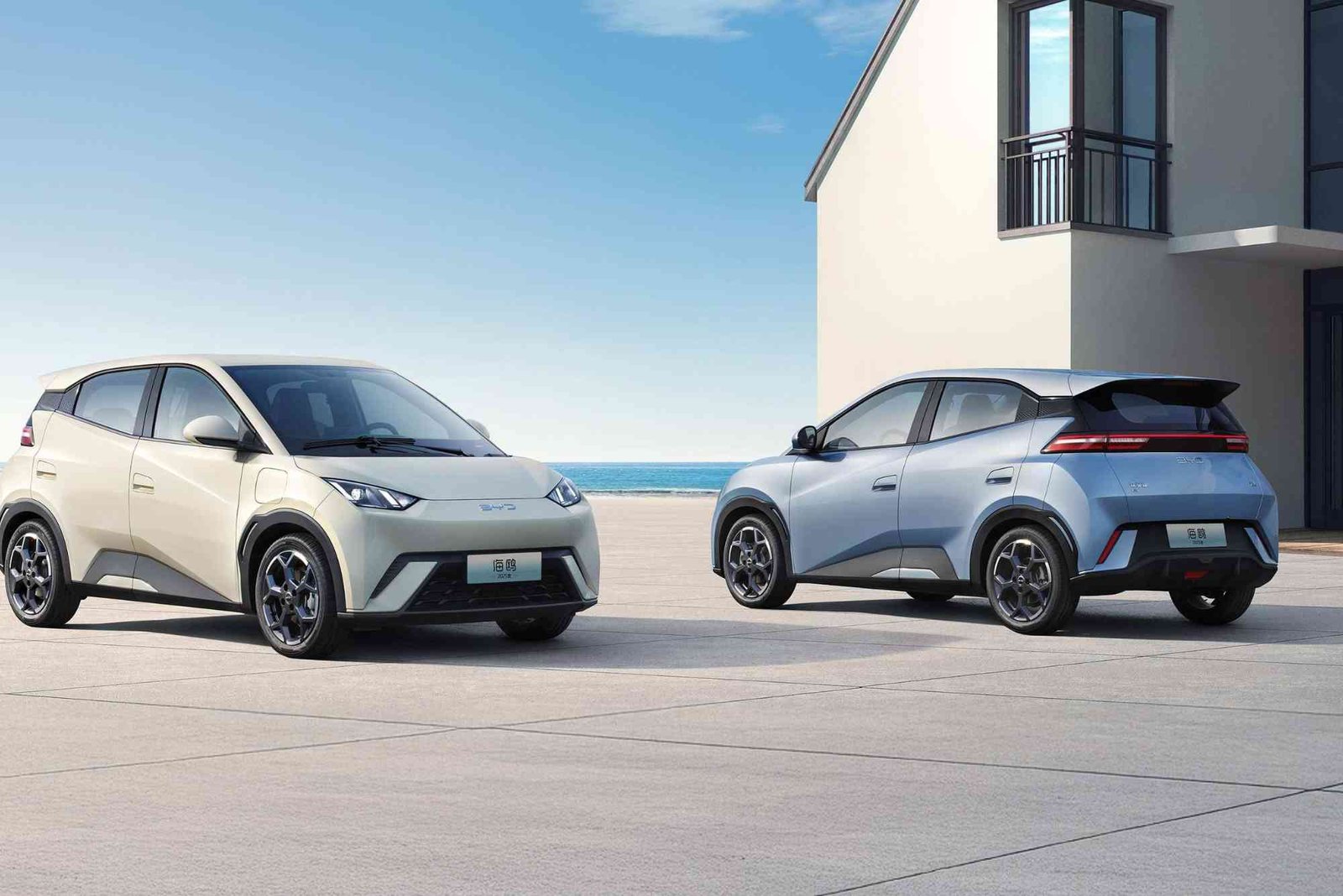
Electric vehicles are no longer a niche segment; they are becoming mainstream as governments push for lower carbon emissions and consumers demand sustainable mobility. By 2025, EV adoption is expected to accelerate even further, with a wide range of models available across price points. The focus is not only on passenger cars but also on commercial vehicles, offering zero-emission solutions for logistics and urban transportation.
Battery Innovations Driving Range and Performance
One of the key challenges for EV adoption has been range anxiety. In 2025, breakthroughs in battery technology, including solid-state batteries, promise to extend driving ranges significantly while reducing charging times. These innovations also contribute to lighter and more efficient vehicles, enhancing overall performance without compromising sustainability.
Expanding Charging Infrastructure
The growth of EVs relies heavily on the availability of convenient and fast charging solutions. Governments and private companies are investing in expanding charging networks, with 2025 expected to see widespread ultra-fast chargers along highways and urban centers. This infrastructure development will make EV ownership more practical for long-distance travel and daily commuting.
Autonomous and AI-Powered Vehicles
Self-driving technology continues to evolve, with 2025 marking a significant step toward autonomous mobility. While fully autonomous cars for consumers are still limited, AI-powered driver assistance systems are becoming increasingly sophisticated. These systems can enhance safety, reduce human error, and improve traffic flow in cities.
Advanced Driver Assistance Systems
Modern vehicles are equipped with sensors, cameras, and AI algorithms that assist with parking, lane-keeping, adaptive cruise control, and collision avoidance. These systems are expected to become standard across most mid-range and premium vehicles by 2025, making roads safer and driving less stressful.
AI in Traffic Management
Beyond individual vehicles, AI is transforming traffic management. Smart city initiatives are integrating AI to optimize traffic signals, reduce congestion, and provide real-time route guidance. This synergy between vehicles and infrastructure represents a major trend to watch in 2025, promising smoother and more efficient urban mobility.
Connectivity and Smart Features
Connected cars are redefining the driving experience by integrating infotainment, navigation, and safety systems into a seamless digital ecosystem. By 2025, connectivity will be a defining feature for both consumer and commercial vehicles.
Over-the-Air Updates and Software Integration
Automakers are increasingly relying on software updates to improve vehicle functionality post-purchase. Over-the-air updates allow vehicles to receive new features, security enhancements, and performance optimizations without visiting a dealership. This trend ensures that vehicles remain technologically current throughout their lifecycle.
Personalized Driving Experiences
Smart vehicles can now adapt to individual driving habits, preferences, and even health monitoring. From seat adjustments to climate control and real-time traffic suggestions, personalization is becoming a standard expectation. This enhances comfort, convenience, and overall satisfaction for drivers.
Sustainable Materials and Eco-Friendly Design
Sustainability is no longer limited to electric propulsion. In 2025, car manufacturers are increasingly adopting eco-friendly materials and circular economy principles in vehicle design. This includes using recycled metals, bio-based plastics, and low-impact manufacturing techniques.
Lightweight Construction for Efficiency
Reducing vehicle weight is a critical factor in improving fuel efficiency and extending EV range. Lightweight construction materials such as aluminum, carbon fiber composites, and advanced polymers are becoming mainstream. By 2025, many cars will combine sustainability with high-performance engineering, demonstrating that eco-conscious design does not compromise quality.
Interior Sustainability
Beyond the exterior, interior materials are also evolving. Manufacturers are using vegan leather, natural fabrics, and sustainable coatings to minimize environmental impact. This trend not only appeals to environmentally conscious consumers but also enhances the luxury and comfort of modern vehicles.
Performance and Innovation in Sports and Luxury Cars
While sustainability and technology dominate the mainstream market, sports and luxury cars continue to push the envelope in design, performance, and technology. Hypercars in 2025 are combining electrification with extreme engineering to deliver unmatched speed, handling, and driving excitement.
Hybrid and Electric Supercars
High-performance hybrid and electric supercars are becoming more common, offering instant torque, aerodynamic efficiency, and cutting-edge battery technology. Brands that traditionally focused on internal combustion engines are now investing heavily in electrification, signaling a broader industry trend toward combining performance with sustainability.
Advanced Aerodynamics and Lightweight Materials
Luxury and sports cars are incorporating active aerodynamics and advanced lightweight structures to maximize speed, efficiency, and handling. Innovations such as adaptive spoilers, drag-reducing shapes, and smart suspension systems are pushing the limits of automotive engineering while remaining aligned with eco-friendly objectives.
Urban Mobility Solutions
Urbanization and changing lifestyles are reshaping how we think about cars. In 2025, personal mobility solutions are expanding beyond traditional vehicles, offering smart alternatives for city dwellers.
Micro-Mobility and Electric Scooters
Micro-mobility options such as e-scooters, e-bikes, and compact electric vehicles are addressing congestion and pollution in urban centers. These solutions provide efficient, low-cost, and environmentally friendly transportation for short distances.
Car-Sharing and Subscription Models
Traditional car ownership is being supplemented by flexible mobility options. Car-sharing platforms and subscription models allow users to access vehicles as needed, reducing costs and the environmental footprint. By 2025, these trends are expected to become mainstream in many cities worldwide.
Safety and Regulatory Trends
Safety continues to be a key focus for manufacturers and regulators alike. In 2025, car safety standards are evolving to include not only physical crash protection but also cybersecurity, AI reliability, and environmental compliance.
Enhanced Crash Prevention Technologies
Innovations in sensors, AI, and predictive analytics are helping vehicles anticipate potential accidents and take preventive action. Systems that monitor driver attention, surrounding traffic, and weather conditions contribute to significantly reducing collisions and fatalities.
Regulatory Support for Green and Smart Vehicles
Governments are introducing stricter emissions standards and incentives for adopting green vehicles. Regulations are also supporting connected infrastructure, such as vehicle-to-everything (V2X) communication, which allows cars to interact with roads, traffic systems, and each other for safer and more efficient transportation.
Future Outlook: What to Expect Beyond 2025
The trends shaping 2025 are only the beginning of a long-term transformation in the automotive industry. Looking beyond, we can expect further electrification, autonomous capabilities, AI integration, and sustainability initiatives. Car manufacturers that embrace these changes are likely to lead the market, while consumers will benefit from safer, greener, and more technologically advanced vehicles. The integration of renewable energy, advanced recycling methods, and AI-powered mobility solutions points toward a future where cars are not just vehicles but integral components of smart cities and sustainable lifestyles.
The top car trends to watch in 2025 highlight an automotive industry that is more innovative, sustainable, and connected than ever before. From electrification and AI-driven technologies to eco-friendly materials and smart urban mobility solutions, the future of driving is both exciting and responsible. Whether you are a car enthusiast, a prospective buyer, or an industry professional, staying informed about these trends ensures you are ready to embrace the next era of automotive innovation.
Explore these trends, consider your next vehicle with sustainability and technology in mind, and be part of shaping the future of mobility today.
Maintaining your car’s suspension is essential for a smooth and safe driving experience. Regular inspections, timely replacement of worn-out parts, and proper alignment can prevent costly repairs and improve handling. Learn expert tips and step-by-step guidance on how to keep your suspension system in top condition. Stay safe and enjoy a comfortable ride by following simple maintenance routines. Read more here: How to Maintain Car Suspension Properly
FAQ
What are the biggest car trends in 2025?
The biggest trends include electric vehicles, AI-driven assistance, sustainable materials, connected cars, and advanced safety technologies.
Are electric vehicles becoming mainstream in 2025?
Yes, EVs are expected to dominate the market with improved range, faster charging, and wider availability across price segments.
Will self-driving cars be common in 2025?
Fully autonomous cars are still limited, but advanced driver-assistance systems and AI integration will be widely available.
How are car interiors changing in 2025?
Car interiors are adopting eco-friendly materials such as vegan leather, natural fabrics, and recycled components without compromising comfort.
What role does AI play in modern vehicles?
AI enhances driver assistance, predicts traffic patterns, improves safety, and provides personalized driving experiences.