
Introduction
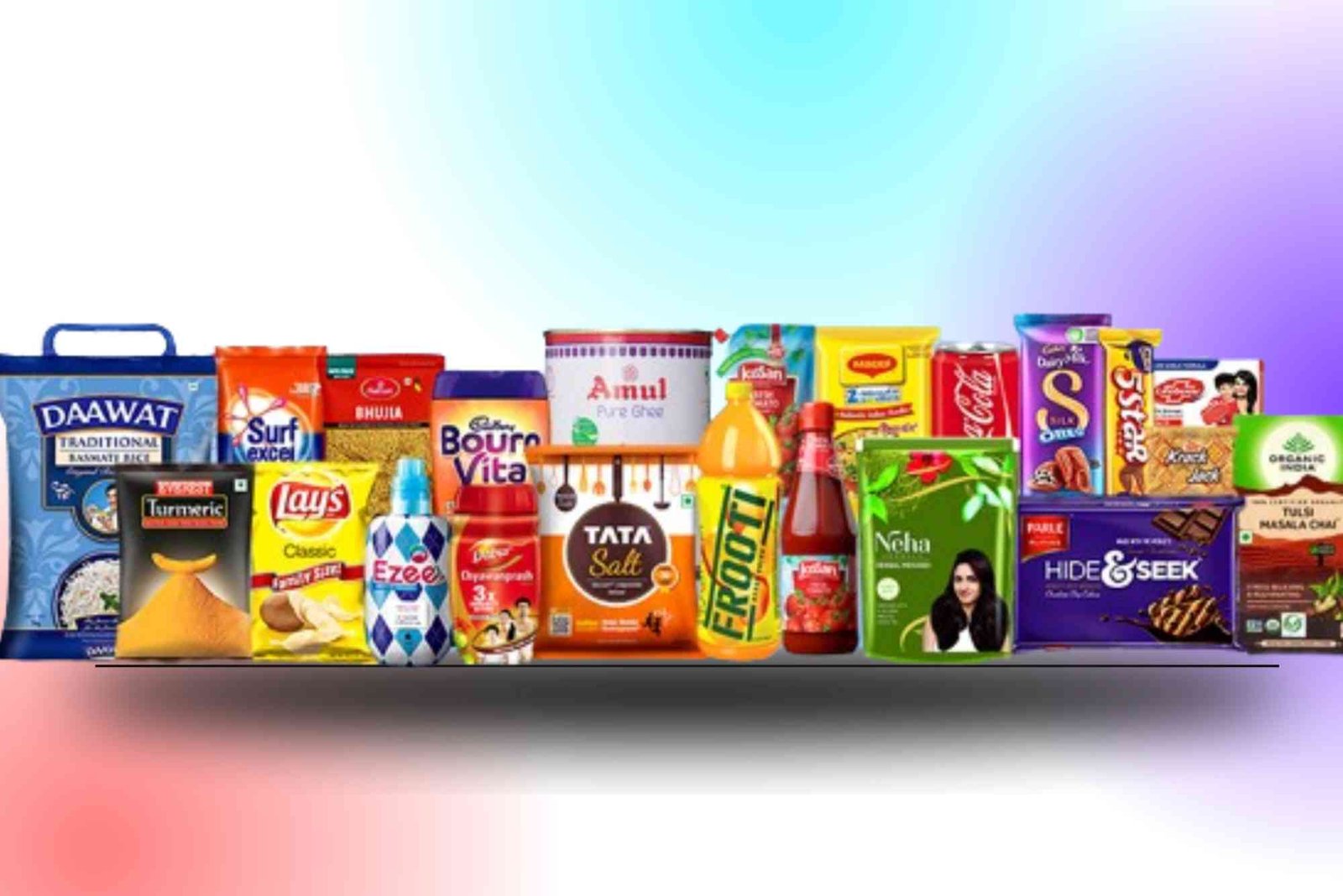
The global fast-moving consumer goods (FMCG) market is evolving rapidly, creating new opportunities for exporters. With shifting consumer preferences, technological advancements, and emerging markets, identifying the top FMCG products for export in 2025 can give businesses a competitive edge. Companies looking to expand internationally need to understand demand trends, market gaps, and regulatory requirements to succeed in this dynamic landscape.
The FMCG sector encompasses a wide range of products, from packaged foods and beverages to personal care and household items. These products are characterized by high turnover and relatively low profit margins per unit. Yet, their sheer volume and consistent consumer demand make them ideal for export markets. In 2025, certain categories are expected to outperform others due to evolving lifestyles, health-conscious consumers, and global trade shifts.
Rising Demand for Health and Wellness Products
One of the most notable trends in FMCG exports is the growing focus on health and wellness. Consumers worldwide are increasingly seeking products that enhance their well-being, nutrition, and immunity. This trend is driven by heightened awareness of healthy lifestyles and an ongoing interest in preventive healthcare.
Functional Beverages and Nutritional Supplements
Functional beverages, including energy drinks, protein shakes, and herbal infusions, are seeing a surge in demand. These products are often enriched with vitamins, minerals, and other health-promoting ingredients. Exporters can benefit from markets in North America, Europe, and the Middle East, where consumers prioritize convenience combined with health benefits. Nutritional supplements, including vitamins and herbal products, are also projected to see significant growth. These products cater to an audience seeking natural ways to boost immunity and improve overall health.
Organic and Plant-Based Foods
Plant-based alternatives, such as dairy-free milk, vegan snacks, and meat substitutes, are gaining traction in global markets. Organic products, free from synthetic chemicals and preservatives, are also preferred by health-conscious consumers. Exporters targeting premium markets can leverage this demand by highlighting product quality, certifications, and sustainability practices. Consumers are willing to pay more for transparency and environmentally friendly production methods.
Convenience and Ready-to-Eat Products
Urban lifestyles and busy schedules have increased demand for convenience foods. Ready-to-eat meals, packaged snacks, and instant beverages are gaining popularity across the globe. These products appeal to consumers seeking quick solutions without compromising taste or nutrition.
Packaged Snacks and Baked Goods
Snacks like chips, nuts, cookies, and crackers are staple FMCG exports. Their long shelf life and ease of transport make them ideal for international trade. Exporters focusing on innovative flavors and packaging can stand out in competitive markets. Healthy snack alternatives, including low-sugar and gluten-free options, are particularly appealing in developed markets where consumers are more conscious about nutritional content.
Ready-to-Cook and Instant Meals
The convenience food segment is expanding with ready-to-cook pastas, noodles, frozen meals, and instant soups. These products save time for busy consumers and are widely adopted in urban areas. Exporters offering diverse cuisines can tap into multicultural markets seeking authentic tastes from around the world. Packaging that preserves freshness and provides clear cooking instructions further enhances market appeal.
Personal Care and Hygiene Products
Personal care items remain a consistent segment in FMCG exports. Growing awareness about hygiene, grooming, and skincare is driving global demand. This sector is less affected by economic cycles and benefits from steady consumer spending.
Skincare and Beauty Products
Skincare products, including moisturizers, serums, and sunscreens, are witnessing robust international demand. Consumers, especially in Asia, Europe, and North America, are looking for innovative formulations with natural ingredients. Exporters can gain advantage by emphasizing quality certifications, cruelty-free testing, and sustainable packaging. Beauty products targeting niche markets, such as organic cosmetics and anti-aging solutions, are also poised for growth.
Personal Hygiene Essentials
Hygiene products like soaps, hand sanitizers, toothpaste, and sanitary items remain essential across all regions. Recent global health concerns have heightened awareness of hygiene, driving consistent demand. Exporters can enhance market penetration by focusing on eco-friendly packaging, travel-size variants, and premium formulations. Brands that highlight effectiveness and safety tend to resonate more with consumers.
Beverages: Alcoholic and Non-Alcoholic Options
Beverages continue to be a major category in FMCG exports. Both alcoholic and non-alcoholic drinks show significant growth, driven by lifestyle changes and evolving tastes.
Non-Alcoholic Beverages
Soft drinks, fruit juices, and flavored waters are top choices in international markets. Health-conscious consumers increasingly prefer low-sugar or sugar-free alternatives. Functional drinks enriched with vitamins, antioxidants, and probiotics are expected to gain traction. Exporters can capitalize on this trend by offering innovative flavors and convenient packaging.
Alcoholic Beverages
Wine, spirits, and craft beers are also popular among international consumers. Premium and artisanal products are particularly attractive in high-income regions. Compliance with import regulations, quality standards, and cultural preferences is critical for exporters in this category. Highlighting authenticity, origin, and craftsmanship can differentiate products in competitive markets.
Household and Cleaning Products
FMCG exports are not limited to consumables. Household and cleaning products continue to show steady demand, fueled by urbanization and hygiene consciousness.
Cleaning Agents and Detergents
Detergents, dishwashing liquids, and multi-purpose cleaners are staples in households worldwide. Their consistent use ensures stable demand, making them attractive for export. Innovations such as eco-friendly formulations and concentrated liquids appeal to environmentally conscious consumers. Exporters focusing on quality, affordability, and ease of use are likely to succeed.
Air Fresheners and Household Essentials
Products like air fresheners, disinfectants, and home care solutions are gaining popularity. Consumers are willing to invest in premium variants that provide convenience and efficiency. Effective marketing and distribution strategies are essential to reach diverse markets and build brand loyalty.
Packaging and Branding: A Key Differentiator
In FMCG exports, packaging and branding play a pivotal role in capturing consumer attention. High-quality packaging not only ensures product safety during transit but also enhances shelf appeal. Transparent labeling, attractive designs, and eco-friendly materials resonate with consumers seeking value and responsibility. Strong branding helps build trust, making it easier for exporters to enter new markets.
Sustainable Packaging
Sustainability is a growing priority for consumers and regulators. Biodegradable, recyclable, or reusable packaging adds value and differentiates products in global markets. Exporters adopting sustainable practices are more likely to earn consumer loyalty and comply with international standards.
Innovative Branding Strategies
Effective branding strategies include storytelling, highlighting product origin, and emphasizing quality assurance. Marketing campaigns that focus on health, taste, or convenience can enhance product appeal. In competitive markets, clear brand messaging is crucial to creating a lasting impression.
Understanding Export Regulations and Market Preferences
Success in FMCG exports requires knowledge of international trade regulations, import duties, and market preferences. Each target country may have unique compliance requirements, including certifications, labeling standards, and safety guidelines. Exporters must also consider cultural differences, pricing sensitivity, and consumer habits when introducing products.
Compliance and Certifications
Food safety certifications, organic labels, and health endorsements increase credibility in international markets. Exporters should stay informed about changing regulations to avoid delays or rejection at customs. Prioritizing quality control ensures products meet both regulatory and consumer expectations.
Market Research and Localization
Thorough market research helps identify opportunities and gaps in demand. Understanding local tastes, packaging preferences, and pricing expectations allows exporters to tailor their offerings. Localization can also include language translation, culturally relevant branding, and product variations that suit specific markets.
Seizing Opportunities in FMCG Exports
The FMCG sector presents significant opportunities for exporters in 2025. Health-conscious foods, convenience products, personal care items, beverages, and household essentials are all poised for growth. Exporters who prioritize quality, sustainability, and innovation can establish strong market presence. Staying informed about regulations, consumer preferences, and global trade trends is key to long-term success.
Expanding into international markets requires strategic planning, market insight, and a commitment to excellence. Businesses that combine high-quality products with effective branding and distribution strategies are likely to capture the growing demand for FMCG products worldwide. Companies ready to embrace innovation and meet global consumer needs can achieve sustainable growth and profitability.
Take the next step in your export journey by evaluating your product portfolio, understanding target markets, and implementing strategies to align with emerging trends. FMCG exports in 2025 are set to reward businesses that focus on health, convenience, quality, and sustainability.
Getting your food product listed in stores requires research, preparation, and strategy. Start by understanding store requirements, target audience, and competitors. Create an attractive product package and professional branding. Approach buyers with a clear pitch, highlighting unique selling points, pricing, and supply capabilities. Building relationships and offering samples can increase your chances of approval. Consistency and persistence are key.
FAQ
What are the best FMCG products to export in 2025?
Health and wellness foods, convenience snacks, personal care items, beverages, and household cleaning products are top choices for export.
Which markets are ideal for FMCG exports?
Developed regions like Europe, North America, and parts of the Middle East have strong demand, while emerging markets in Asia and Africa offer growth potential.
How can exporters ensure product compliance internationally?
Obtaining certifications, adhering to labeling regulations, and conducting quality checks ensure compliance and smooth customs clearance.
What role does packaging play in FMCG exports?
Packaging ensures product safety, shelf appeal, and consumer trust. Sustainable and attractive designs are increasingly preferred by global consumers.
Why is market research important for FMCG exports?
Understanding consumer preferences, pricing, and cultural nuances helps tailor products to local demands, improving success in foreign markets.