Introduction
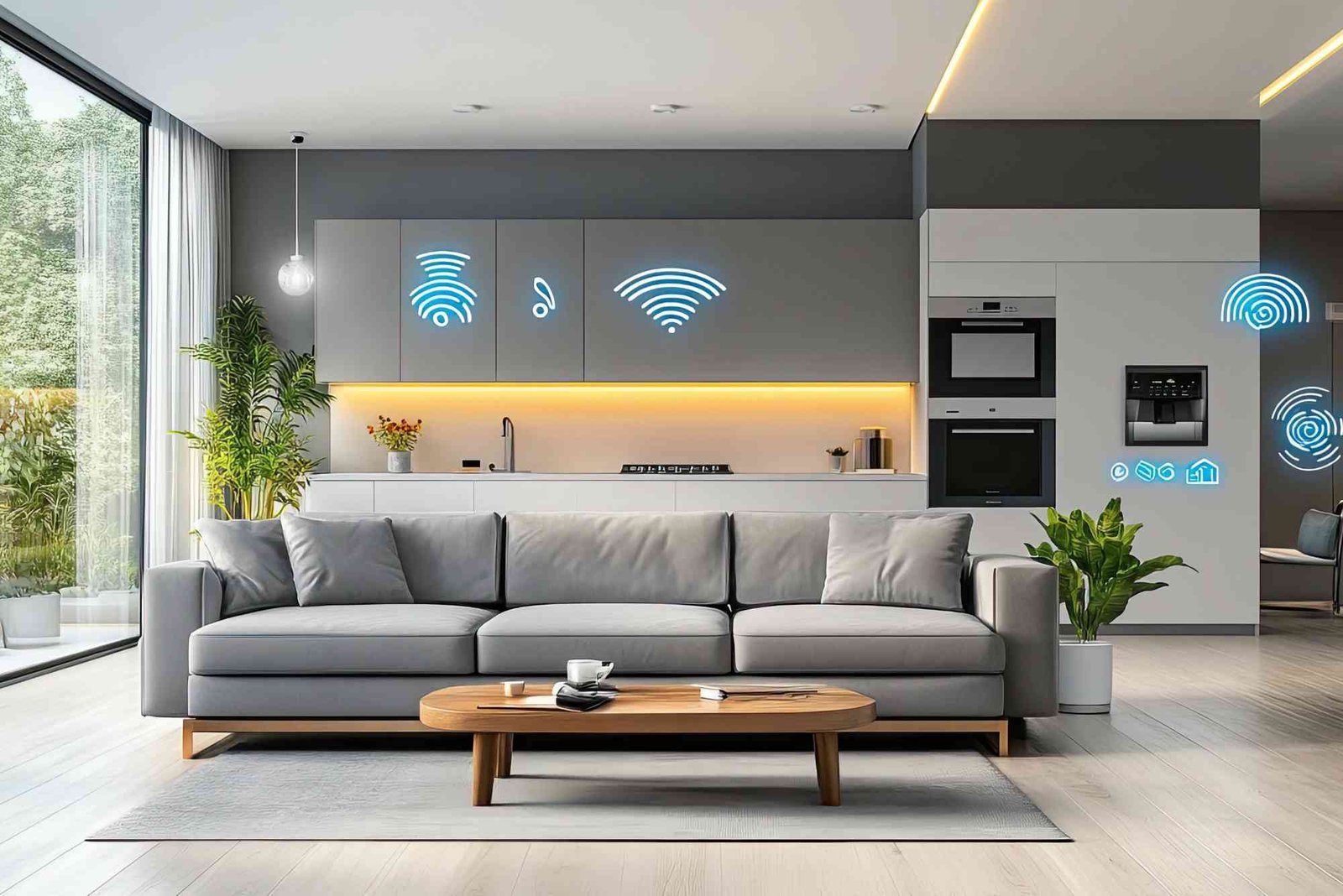
In today’s fast-paced world, smart home technology is no longer a luxury; it’s a key consideration for buyers. Homebuyers increasingly prioritize functionality, convenience, and energy efficiency when choosing their next property. Integrating technology that makes everyday life easier, safer, and more comfortable has become a decisive factor in real estate decisions. Understanding the top smart home features buyers want can help homeowners, real estate agents, and developers create properties that attract modern buyers and stand out in a competitive market.
Smart Security Systems for Peace of Mind
Security remains a top priority for homebuyers. Modern buyers expect integrated smart security systems that go beyond traditional alarms. Smart locks, surveillance cameras, and doorbell cameras allow homeowners to monitor and control access to their property remotely. These systems often integrate with mobile apps, enabling users to receive alerts in real-time, lock or unlock doors, and even grant temporary access to visitors. Buyers increasingly value these features because they provide tangible peace of mind and a sense of control, even when away from home.
Smart Locks and Keyless Entry
Smart locks eliminate the need for traditional keys and offer customizable access codes. This feature is particularly appealing to families, frequent travelers, or those who often have guests or service personnel entering their home. The convenience and security offered by keyless entry significantly enhance a property’s appeal and can be a deciding factor for buyers.
Smart Surveillance and Doorbell Cameras
Video doorbells and connected surveillance cameras allow homeowners to see who is at their door, record footage, and receive instant notifications on their smartphones. These systems help deter potential intruders and provide proof in case of incidents. Homebuyers are increasingly looking for properties that already include these features or are compatible with popular security platforms.
Energy Efficiency and Smart Climate Control
Energy-efficient homes are more attractive to buyers for both financial and environmental reasons. Smart thermostats, energy monitors, and automated lighting systems allow homeowners to optimize energy consumption and reduce utility bills. Buyers want homes where they can control climate settings remotely, schedule energy usage, and even integrate with solar panels or other sustainable energy sources.
Smart Thermostats
Smart thermostats learn a household’s schedule and adjust temperature settings automatically to save energy while maintaining comfort. They can be controlled remotely via apps or voice commands, making them highly desirable for tech-savvy buyers. These devices not only lower monthly utility costs but also contribute to a home’s energy efficiency rating.
Automated Lighting Systems
Smart lighting offers convenience and energy savings by allowing homeowners to schedule lights, dim them, or turn them on and off remotely. Integration with motion sensors and voice assistants adds another layer of efficiency and security, creating a more attractive living environment for buyers.
Voice-Activated Assistants and Home Automation
Voice-controlled assistants have become a staple of modern smart homes. Buyers appreciate homes where they can manage appliances, lighting, climate, and entertainment through voice commands. Integrating devices like smart speakers, hubs, and voice assistants makes homes feel modern, seamless, and intuitive.
Integration Across Devices
The true value of home automation lies in seamless integration. Buyers want systems that allow multiple devices to work together, creating a unified ecosystem. From controlling lights and thermostats to managing security and entertainment, automation makes daily routines smoother and more efficient, enhancing a home’s overall appeal.
Smart Appliances for Everyday Convenience
Kitchen and laundry appliances that connect to home networks are increasingly important to buyers. Smart refrigerators, ovens, dishwashers, and washers allow users to monitor performance, receive maintenance alerts, and operate devices remotely. These appliances save time, improve efficiency, and add a modern touch that resonates with buyers who value convenience and technology in everyday life.
Connected Kitchen Appliances
Smart kitchens enhance the cooking experience by providing inventory tracking, recipe suggestions, and remote control of appliances. Buyers enjoy the combination of convenience and energy savings these devices offer. Homes equipped with connected appliances often sell faster because they represent a lifestyle upgrade.
Laundry and Cleaning Automation
Smart washers, dryers, and robotic vacuums provide automated scheduling, notifications, and remote operation. For buyers with busy schedules, these features are particularly appealing, as they reduce household chores and improve overall quality of life.
Home Entertainment and Connectivity
High-speed internet and smart entertainment systems have become non-negotiable for many buyers. Homeowners want spaces where they can stream movies, play music, or connect multiple devices without interruptions. Smart TVs, multi-room audio systems, and networked gaming setups contribute to a home’s modern appeal and are often considered essential in today’s digital lifestyle.
Multi-Room Entertainment Systems
Buyers are attracted to homes that offer cohesive entertainment solutions. Multi-room audio and video systems allow homeowners to enjoy content in different areas without complicated setups. Integration with voice assistants and mobile apps further increases convenience and sophistication.
High-Speed Connectivity
Reliable internet and strong Wi-Fi coverage are critical for modern buyers. Smart homes often include mesh networks or pre-wired connectivity to support multiple devices and seamless streaming, making properties more appealing to tech-savvy buyers and remote workers.
Smart Outdoor Features
Outdoor smart features are gaining popularity among buyers. Automated irrigation systems, smart lighting, and outdoor security cameras not only enhance curb appeal but also improve functionality and safety. Buyers appreciate homes where outdoor areas are as technologically equipped as indoor spaces.
Automated Irrigation and Garden Management
Smart irrigation systems monitor weather conditions and soil moisture, adjusting watering schedules to conserve water and maintain healthy landscaping. For buyers who value sustainability and ease of maintenance, this feature is a significant selling point.
Outdoor Smart Lighting and Security
Integrated lighting that responds to motion or schedules, along with connected outdoor cameras, enhances security and visibility. Smart outdoor systems make homes feel safer and more inviting, increasing their marketability.
Health and Wellness Features
Smart home technology is increasingly addressing health and wellness. Buyers are interested in air quality monitors, smart humidifiers, and circadian lighting systems that promote better sleep and overall well-being. These features not only improve comfort but also reflect a growing focus on holistic living.
Air Quality and Environment Monitoring
Homes equipped with sensors to monitor air quality, humidity, and temperature create a healthier living environment. Buyers see these features as a proactive approach to wellness, which adds value and differentiates a property in a competitive market.
Wellness Lighting and Smart Controls
Lighting that adjusts to natural circadian rhythms or improves productivity is appealing to buyers who spend time at home for work or leisure. Integration with voice or app controls makes wellness-focused technology accessible and convenient.
Smart home technology is reshaping buyer expectations. Today’s homebuyers want features that enhance security, energy efficiency, convenience, and wellness. From smart security systems and climate control to voice-activated automation, connected appliances, and health-focused technology, modern homes are expected to be intelligent and responsive. Homeowners, developers, and real estate agents who invest in these features are more likely to attract buyers and achieve higher property values. Ensuring your home meets these modern demands can make it more competitive and desirable in the market. If you’re looking to boost your property’s appeal, start integrating these top smart home features today to meet buyer expectations and elevate your home’s value.
Discover how simple upgrades and smart planning can boost your property’s worth in any market. From curb appeal to community amenities, learn about top neighborhood features that increase home value to make informed decisions when buying or selling. Find practical tips and expert insights to enhance your home’s appeal and investment potential here:
Frequently Asked Questions
What are the must-have smart home features for buyers?
Buyers prioritize security, smart climate control, connected appliances, entertainment systems, and automation for convenience and efficiency.
Do smart home features increase property value?
Yes, homes with integrated smart technology are often more attractive to buyers, which can result in higher sale prices.
Are smart home systems difficult to install?
Many smart home devices are designed for easy installation, often requiring only a stable Wi-Fi connection and compatible devices.
Can smart home technology save money on utilities?
Absolutely. Smart thermostats, lighting, and appliances help optimize energy usage, reducing monthly utility costs.
Which smart home features are most appealing to families?
Security systems, smart locks, connected appliances, and wellness-focused devices are particularly attractive to families seeking safety, convenience, and comfort.