
Introduction
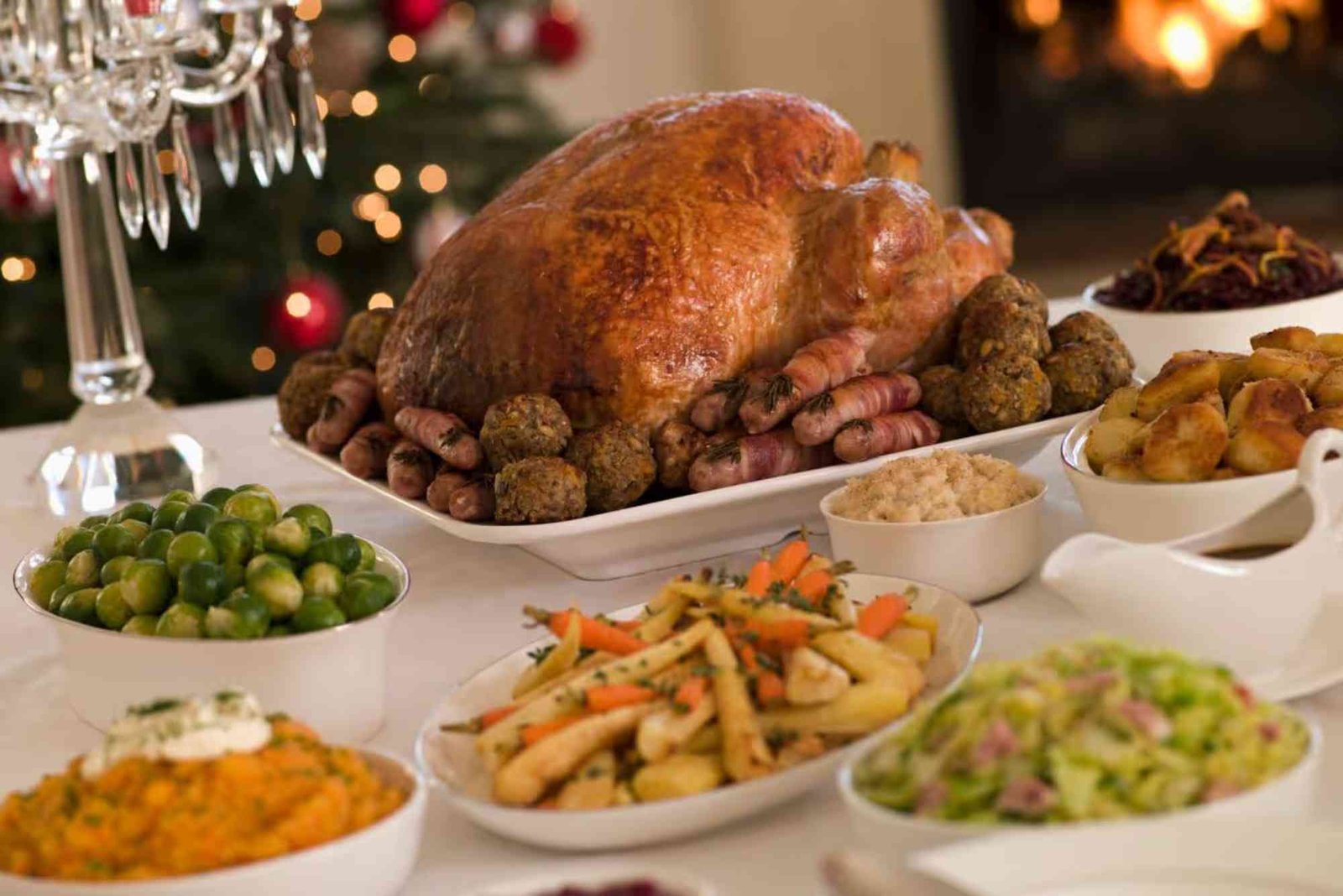
In a world dominated by fast food and modern culinary trends, traditional foods are quietly reclaiming their place on our plates. From heritage grains to age-old recipes, these foods are celebrated not only for their taste but also for their nutritional value and cultural significance. Food enthusiasts, chefs, and home cooks are increasingly exploring the roots of their culinary heritage, giving rise to the phenomenon of traditional foods making a comeback. This resurgence is driven by a desire for authenticity, sustainability, and connection to culture. People are seeking meals that are both meaningful and flavorful, embracing foods that once defined local cuisines.
The trend is visible in farmers’ markets, local eateries, and even high-end restaurants. Ingredients like ancient grains, fermented products, and locally sourced produce are gaining renewed attention. Likewise, recipes passed down through generations are being revived, sometimes with modern twists that respect the original flavors. This revival reflects a broader movement toward mindful eating, where the focus is on quality, sustainability, and health. Traditional foods are no longer considered outdated; instead, they represent a bridge between the past and present, enriching modern diets while preserving culinary history.
Rediscovering Ancient Grains
Ancient grains like quinoa, farro, amaranth, and millet are at the forefront of the traditional food revival. These grains were staples in diets centuries ago and are now celebrated for their health benefits. They are rich in fiber, protein, and essential minerals, making them ideal alternatives to refined grains. Chefs and home cooks are experimenting with these grains in salads, porridges, and baked goods, showing how versatile they can be.
Using ancient grains also connects people with historical food practices. For example, farro has roots in Mediterranean cuisine, while millet has long been essential in African and Asian diets. By reintroducing these grains, people not only enjoy flavorful dishes but also honor the agricultural traditions that sustained communities for generations. This revival encourages a more sustainable approach to food production, as ancient grains often require fewer resources to grow compared to modern crops.
The Return of Fermented Foods
Fermentation is an age-old practice that enhances both flavor and nutrition. Foods like kimchi, sauerkraut, miso, and yogurt are regaining popularity for their probiotic properties and distinctive tastes. Fermented foods support gut health, improve digestion, and add complexity to dishes that modern processed foods often lack.
Home fermentation is becoming increasingly popular, as people embrace DIY food practices that strengthen family traditions. The rise of culinary workshops and online tutorials makes it easier for anyone to try fermenting vegetables or dairy products at home. Beyond health benefits, fermented foods bring bold, umami flavors that elevate both simple and gourmet meals. They remind us that patience in cooking often results in the most rewarding flavors.
Heirloom Vegetables and Heritage Fruits
Heirloom vegetables and heritage fruits are another aspect of traditional foods making a comeback. These varieties often differ in shape, color, and taste from commercially produced counterparts. Unlike mass-produced crops, heirlooms offer unique flavors and a connection to local farming traditions. Tomatoes, squash, beans, and apples from heirloom seeds carry histories that span generations.
Farmers’ markets and specialty grocery stores have become hubs for these foods, allowing consumers to explore flavors that modern agriculture sometimes overlooks. By choosing heirlooms, people contribute to preserving biodiversity and supporting small-scale farmers. Heirloom produce also encourages creativity in the kitchen, as cooks experiment with unusual textures, colors, and flavor profiles. The resurgence of these foods reflects a desire to eat more naturally and sustainably.
Traditional Dairy and Cheese Varieties
Artisanal cheeses, ghee, and traditional yogurts are regaining attention as consumers seek quality and authenticity. Unlike mass-produced dairy, traditional methods often involve natural fermentation, slow aging, and minimal processing. These practices result in richer flavors and enhanced nutritional content.
Cheese enthusiasts are revisiting varieties like paneer, feta, and blue cheese, while ghee is making a comeback in both cooking and wellness practices. Traditional dairy products are versatile, appearing in desserts, savory dishes, and even beverages. By embracing these foods, people reconnect with culinary heritage and discover how simple, time-honored techniques can transform ordinary ingredients into extraordinary dishes.
Revival of Slow-Cooked and Preserved Foods
Slow-cooked meals and preserved foods, including pickles, jams, and smoked meats, are also part of the traditional food renaissance. These methods were developed before refrigeration and reflect ingenuity in extending food longevity. Slow cooking enhances flavors and tenderness, while preservation techniques capture seasonal tastes for later consumption.
Modern cooks are rediscovering the pleasures of patience in the kitchen. Preparing foods over hours or preserving seasonal produce provides a sense of accomplishment and connection to past generations. The appeal of these dishes lies not only in taste but also in the narrative of tradition and care embedded in every recipe. The revival of these foods demonstrates that culinary value goes beyond convenience.
Cultural and Regional Dishes Reimagined
Regional specialties and cultural dishes are being celebrated anew, often with contemporary interpretations. Recipes like traditional stews, dumplings, and flatbreads are returning to menus in both restaurants and homes. Chefs experiment by pairing traditional ingredients with modern techniques, creating dishes that honor the past while appealing to contemporary palates.
This trend promotes culinary diversity, exposing people to flavors and practices they may not encounter in everyday life. By embracing these dishes, communities keep their cultural identity alive and share it with the wider world. It also sparks curiosity about food origins, encouraging people to explore global culinary traditions without losing sight of their heritage.
Health and Sustainability Driving the Trend
The resurgence of traditional foods is closely tied to health and sustainability concerns. Ancient grains, fermented foods, and locally sourced produce are nutrient-dense and minimally processed. They offer benefits that align with modern dietary goals, such as reducing inflammation, boosting gut health, and supporting weight management.
Sustainability plays a crucial role as well. Many traditional farming and food preservation methods rely on natural cycles, minimize waste, and respect local ecosystems. By choosing these foods, consumers contribute to reducing their environmental footprint and supporting practices that promote long-term food security.
The Social and Emotional Appeal of Traditional Foods
Traditional foods carry more than nutritional value; they evoke memories and emotions. Sharing family recipes, enjoying regional specialties, and participating in seasonal cooking traditions create bonds between generations. These foods are often tied to celebrations, rituals, and everyday life, making them central to cultural identity.
The resurgence of traditional foods meets a human need for connection. In a fast-paced world, taking time to prepare or enjoy a dish rooted in heritage fosters mindfulness, community, and belonging. It reminds us that food is not just sustenance; it is a story, a memory, and an experience that shapes who we are.
How to Embrace Traditional Foods Today
Adopting traditional foods into modern lifestyles doesn’t require a complete culinary overhaul. Start by exploring local markets, experimenting with one or two ancient grains, or trying a new fermented food each week. Cooking with heirloom produce or revisiting family recipes adds both flavor and history to meals.
Many traditional foods are versatile enough to fit into breakfast, lunch, or dinner. For example, incorporating farro into salads, using ghee for sautéing vegetables, or adding homemade pickles to sandwiches can enrich everyday meals. The key is to approach these foods with curiosity and openness, respecting their origins while adapting them to contemporary tastes.
The trend of traditional foods making a comeback highlights the intersection of culture, health, and sustainability. From ancient grains and fermented products to heirloom vegetables and regional specialties, these foods reconnect us with our culinary roots. They provide nourishment not only for the body but also for the mind and soul. By embracing these foods, we honor tradition, support sustainable practices, and experience the rich flavors that generations have cherished. Start exploring traditional foods today, and bring a piece of history back to your table.
Online grocery shopping continues to evolve with faster delivery, AI-powered recommendations, and personalized deals. Shoppers now prefer mobile apps, same-day delivery, and contactless payments for convenience. Subscription services, eco-friendly packaging, and local product options are also shaping buying habits. Discover how digital innovation is transforming everyday shopping in TopOnline Grocery Shopping Trends, helping consumers save time while enjoying a smarter, more seamless grocery experience.
FAQ
What are traditional foods making a comeback?
Traditional foods making a comeback include ancient grains, fermented foods, heirloom produce, artisanal dairy, and regional dishes revived for modern kitchens.
Why are traditional foods becoming popular again?
People seek healthier, sustainable, and flavorful alternatives to processed foods, while reconnecting with cultural heritage.
How can I include traditional foods in my diet?
Start by adding ancient grains, fermented foods, or heirloom vegetables to meals. Experiment with family recipes or local specialties.
Are traditional foods healthier than modern processed foods?
Generally, yes. Traditional foods are nutrient-rich, minimally processed, and often support digestive and overall health.
Can traditional foods be adapted for modern cooking?
Absolutely. Many traditional foods can be reimagined with modern techniques while preserving authentic flavors.