Introduction
A blocked oven gas line can turn a simple cooking routine into a frustrating challenge. Ignoring this issue can reduce efficiency and, worse, pose safety hazards. Understanding how to repair oven gas line blockage is essential for homeowners who rely on gas ovens for daily cooking. In this practical guide, we’ll walk you through the causes, diagnosis, and safe solutions to restore your oven’s functionality.
Understanding Oven Gas Line Blockage
Common Causes of Blockage
Oven gas line blockages usually occur due to accumulated debris, rust, or insect nests in the line. Over time, these obstructions restrict the gas flow, leading to weak flames or complete shutdown. Another frequent cause is wear and tear of the gas line, which can trap residue inside. Environmental factors like humidity and dust may accelerate buildup, especially in older homes.
Signs Your Oven Gas Line Is Blocked
Detecting a blockage early can save you time and prevent hazards. Common signs include difficulty igniting the oven, uneven heating, unusual hissing sounds, or the smell of gas near the appliance. If you notice these symptoms, do not ignore them. Immediate action is critical, as continued use can increase the risk of leaks or fire hazards.
Safety Precautions Before Repair
Turn Off the Gas Supply
Safety is the top priority when dealing with gas appliances. Begin by turning off the main gas valve. This step prevents accidental leaks during the repair process.
Ventilate the Area
Open windows and doors to ensure proper ventilation. This reduces the risk of gas accumulation in case of a leak.
Use Protective Gear
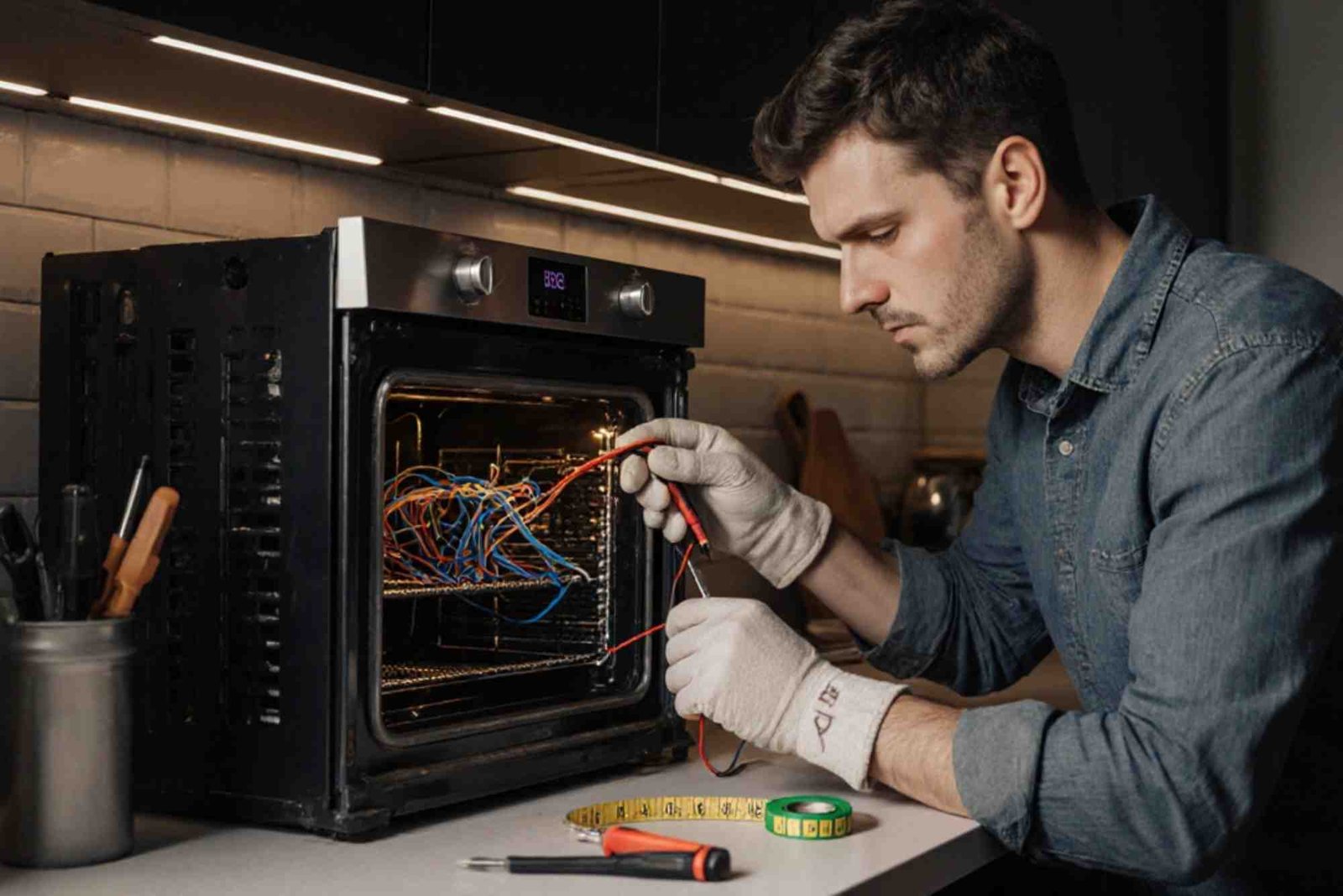
Always wear gloves and safety goggles when handling the gas line. Metal tools may spark accidentally, so exercise caution.

How To Repair Oven Gas Line Blockage
Remove the Oven From Its Position
To access the gas line safely, pull the oven away from the wall. Ensure it is disconnected from the electrical outlet, if applicable.
Inspect the Gas Line
Visually inspect the gas line for obvious signs of rust, cracks, or accumulated debris. A flashlight and mirror can help you see hard-to-reach sections.
Use a Flexible Pipe Cleaner
A flexible pipe cleaner or specialized gas line brush can remove small obstructions. Insert it gently into the line, twisting carefully to dislodge debris without damaging the pipe.
Flush the Line
Flushing the gas line with compressed air or a small amount of soapy water (while the gas is off) can help remove lingering residue. Make sure all moisture is completely dried before reconnecting.
Reconnect and Test
Once the blockage is cleared, reconnect the gas line and turn the supply back on. Test the oven at a low flame to ensure even burning. If irregularities persist, consult a licensed professional.
Prevent Future Blockages
Regular maintenance can prevent gas line blockages. Clean burners and inspect the gas line every six months. Keep the kitchen area free from dust, grease, and other debris that may enter the line. For more guidance, check our Related Blog article.
While minor blockages can be handled at home, significant obstructions or damaged gas lines require professional intervention. Attempting repairs without expertise can lead to dangerous leaks or fire hazards. A licensed technician has the tools and knowledge to ensure safe and thorough repairs. Explore How To Repair Oven Gas Line Blockage for detailed professional advice.
FAQs
How do I know if my gas line is blocked?
Look for weak or uneven flames, difficulty igniting, unusual hissing sounds, or the smell of gas near your oven.
Can I clear a gas line blockage myself?
Yes, minor blockages can be cleared with proper tools and safety measures. However, major obstructions should be handled by a professional.
How often should I inspect my oven gas line?
A routine inspection every six months helps prevent blockages and ensures your oven runs safely.
What tools are needed to repair a gas line blockage?
You’ll need gloves, safety goggles, a flashlight, pipe cleaner, and compressed air. Avoid using sharp objects that can damage the line.
Is it safe to use a gas oven with a partial blockage?
No. Even partial blockages can cause uneven heating and increase the risk of gas leaks. Always repair the line first.
Repairing an oven gas line blockage is a manageable task with the right knowledge and precautions. By identifying the signs, following safety steps, and performing thorough cleaning, you can restore your oven’s performance safely. Regular maintenance will extend the life of your appliance and keep your kitchen safe. For more details, consider professional resources or tools to ensure optimal repair outcomes.