
Introduction
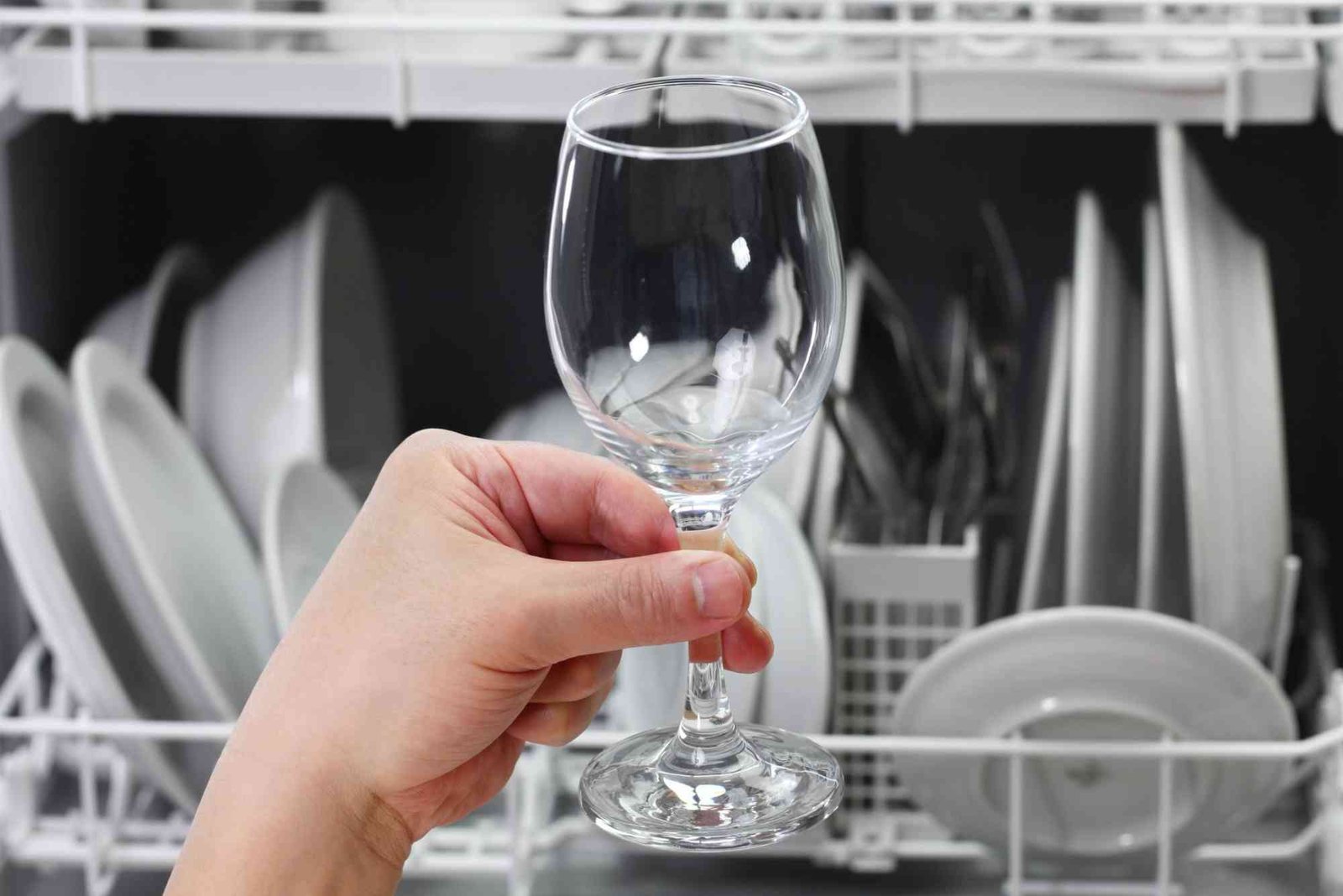
Few household frustrations are as common as pulling a freshly washed glass from the dishwasher only to find it covered with a cloudy residue. This annoying problem not only affects the aesthetic appeal of your glassware but can also hint at underlying dishwasher issues. Understanding the causes of cloudy residue on dishwasher glasses is essential for restoring their shine and maintaining proper hygiene in your kitchen.
Cloudy residue can appear as a filmy layer, whitish spots, or even a cloudy haze that refuses to wipe away. While it may seem like a minor issue, ignoring it can lead to longer-term problems with both your dishwasher and glassware.
In this article, we will explore the main reasons this happens, practical solutions, and preventative measures to ensure sparkling dishes every time.
Understanding the Problem
Before addressing the causes, it’s important to understand what constitutes a cloudy residue. There are generally two types:
-
Hard water deposits – These are mineral buildups caused by calcium and magnesium in water.
-
Etching – A permanent cloudiness caused by the glass being chemically worn over time, often from overly harsh detergents or repeated exposure to high heat.
Knowing the difference can help in deciding whether a simple cleaning solution will work or if the glassware is permanently affected.
Common Causes of Cloudy Residue
Hard Water and Mineral Deposits
One of the most frequent causes of cloudy residue on dishwasher glasses is hard water. When water contains high levels of calcium and magnesium, these minerals can cling to glass surfaces during washing.
If your dishwasher lacks a built-in water softener or if the rinse aid compartment is empty, minerals may not rinse off effectively, leaving a visible layer. Over time, these deposits can harden, requiring more intensive cleaning.
Using a water softener or regularly adding rinse aid can significantly reduce this problem. For persistent cases, vinegar or a specialized dishwasher cleaner can help dissolve the buildup.
Overuse or Incorrect Use of Detergent
Another common culprit is detergent misuse. Using too much detergent can leave a soapy film, while using too little may not break down grease and food residue completely.
Powdered detergents can sometimes clump or fail to dissolve fully, especially in shorter wash cycles. On the other hand, gel detergents are less abrasive but may leave residues if not used correctly.
Balancing detergent amounts based on water hardness and load size is key. For more insights, check out our Related Blog article on practical household tips.
Low Water Temperature
Dishwashers are designed to clean effectively at water temperatures of 120°F to 150°F. If your machine runs on a lower temperature, detergent may not dissolve completely, leaving a cloudy film.
Soft glasses, in particular, are more sensitive to low temperatures, as incomplete rinsing allows minerals and detergent residues to settle. Running a hot water cycle or using a dishwasher booster can help prevent cloudiness.
Clogged or Dirty Dishwasher Components
Over time, dishwashers accumulate food particles, grease, and detergent residues. Filters, spray arms, and drainage areas can become clogged, reducing water flow and cleaning efficiency.
If water cannot reach every glass surface evenly, spots and haze may appear. Regularly cleaning your dishwasher, including filters and spray nozzles, is crucial for sparkling glassware.
Etching: Permanent Clouding
Not all cloudiness can be fixed. Etching occurs when glassware is gradually worn down by highly alkaline detergents, repeated exposure to high temperatures, or extremely hard water.
Etched glasses develop a frosted, hazy appearance that looks similar to mineral deposits but cannot be removed. Using gentler detergents, lowering the wash temperature, and limiting the frequency of dishwasher use can help prevent further damage.
Rinse Aid Deficiency
Rinse aid is essential in preventing water spots and cloudy residue. It helps water sheet off surfaces rather than forming droplets, which can leave mineral deposits behind.
Failing to refill the rinse aid compartment or using a low-quality product can directly contribute to cloudy glasses. Setting your dishwasher’s rinse aid level appropriately ensures better drying and spot-free results.
Hard Water Interactions with Detergent
Even when detergent is used correctly, hard water can interfere with its effectiveness. Calcium and magnesium ions in water can react with soap or detergent, creating insoluble compounds that cling to glass surfaces.
If you notice persistent cloudiness despite proper detergent use, testing your water hardness can help identify whether water treatment or softening is necessary.
Practical Solutions to Clear Cloudy Glasses
Vinegar Rinse
For minor cloudiness caused by mineral deposits, running a cycle with a cup of white vinegar placed in the top rack can dissolve buildup effectively. Avoid mixing vinegar with bleach or other harsh cleaners to prevent chemical reactions.
Specialized Dishwasher Cleaners
Several commercial products are designed to remove mineral buildup and clean dishwasher interiors. Using these periodically can improve both dishwasher performance and the clarity of your glasses.
Adjusting Dishwasher Settings
Increasing water temperature, selecting a longer wash cycle, and using the correct detergent amount can dramatically improve results. Check your manufacturer’s instructions for optimal settings based on glass type and water hardness.
Glass-Specific Tips
-
Wash delicate glassware on the top rack only.
-
Avoid stacking glasses too closely to prevent scratching and etching.
-
Rotate between dishwasher and handwashing for fine crystal or older glasses.
Prevention Strategies
Prevention is always better than remediation. Some key steps include:
-
Installing a water softener in areas with hard water.
-
Using a quality rinse aid regularly.
-
Cleaning your dishwasher monthly.
-
Rotating glassware to reduce prolonged exposure to heat and detergent.
-
Checking detergent compatibility with water type.
Preventative care can help you maintain crystal-clear glasses for years, reducing both effort and the cost of replacing damaged items.
When to Replace Glassware
Not all cloudy residue can be removed. If glasses have:
-
Persistent haze even after vinegar or specialized cleaning.
-
A frosted appearance that cannot be wiped off.
-
Signs of chipping or etching that affect usability.
It may be time to replace them. While this can be frustrating, prevention for future purchases will extend their lifespan.
For tips on selecting the right dishwasher-safe glassware, see More details.
FAQs
Why does my dishwasher leave a cloudy film on glasses?
Cloudy film is usually caused by mineral deposits, detergent issues, or low rinse temperatures. Proper water softening and rinse aid use can prevent it.
How can I remove cloudy residue from glasses?
You can soak glasses in white vinegar or use a commercial dishwasher cleaner. Persistent etching, however, cannot be reversed.
Can hard water permanently damage my glassware?
Yes. Hard water combined with harsh detergents can lead to etching, which appears as a permanent, frosted haze on glass surfaces.
Is cloudy residue harmful?
Cloudy residue is generally harmless but can indicate buildup that reduces cleaning efficiency. It is mainly an aesthetic concern.
How can I prevent my dishwasher from leaving spots?
Use a rinse aid, adjust water temperature, and ensure detergent is used in appropriate amounts. Regular dishwasher cleaning is also essential.
For more helpful resources, check out Why Dishwasher Leaves Cloudy Film On Glasses.
Understanding the causes of cloudy residue on dishwasher glasses is the first step to achieving spotless, sparkling glassware. From hard water deposits to etching and improper detergent use, each factor plays a role in reducing the clarity of your glasses.
By following proper cleaning practices, adjusting dishwasher settings, and using quality rinse aids, you can prevent cloudiness and extend the life of your glassware. For delicate or expensive glasses, occasional handwashing and careful maintenance can make a big difference.