
Introduction
Traveling for an extended period can be exciting, but packing for long trips is often overwhelming. Overpacking can weigh you down, while underpacking can leave you unprepared. Learning how to pack smart for long trips ensures you carry what you need without unnecessary stress. With practical strategies, you can stay organized, maximize luggage space, and enjoy your journey fully.
Start With a Packing Plan
Planning is the first step to packing smart. Without a clear plan, it’s easy to bring items you won’t need or forget essentials. Start by listing the destinations, climate, and activities for your trip. Knowing whether you’ll be hiking, attending formal events, or visiting beaches helps you pack versatile clothing. This approach reduces clutter and ensures your suitcase has only what you truly need.
Choose the Right Luggage
The type of luggage you select significantly impacts your packing efficiency. For long trips, consider lightweight suitcases or travel backpacks with multiple compartments. A suitcase with wheels allows easy mobility, while a backpack can be ideal for destinations with uneven terrain. Look for durability and water-resistant materials. Proper luggage can keep your belongings organized and protected throughout your journey.
Focus on Versatile Clothing
Packing versatile clothing is key to smart travel. Choose pieces that can mix and match to create multiple outfits. Neutral colors are easier to pair, and layering pieces allow adjustments for different climates. Quick-dry fabrics are essential for trips involving outdoor activities or long hours of travel. Packing versatile items reduces the need to bring extra clothing, saving space and weight in your luggage.
Roll Instead of Fold
Rolling clothes is a space-saving technique every traveler should master. Rolling garments tightly prevents wrinkles and allows more items to fit in your suitcase. You can roll T-shirts, pants, and even jackets with minimal space usage. Pair this with packing cubes to organize clothing by type or outfit. Rolling clothes not only maximizes space but also makes unpacking and repacking easier during long trips.
Use Packing Cubes for Organization
Packing cubes are a game-changer for organized travel. These small, zippered compartments keep clothing and accessories separate. You can assign cubes for tops, bottoms, underwear, or electronics. Using packing cubes makes it easy to locate items without unpacking your entire bag. They also compress clothing slightly, allowing more space for essentials while keeping everything accessible and tidy.
Prioritize Toiletries and Essentials
Toiletries often take up significant luggage space. Focus on travel-sized bottles and refillable containers. Pack only what you will realistically use. Essential items include toothpaste, shampoo, deodorant, and any personal medications. Consider a small toiletry bag that can be easily removed during airport security checks. Prioritizing essentials prevents carrying bulky items you might not need, freeing up space for other necessities.
Plan for Laundry on the Go
Long trips often require reusing clothing, so plan for laundry. Packing minimal outfits and washing clothes mid-trip reduces luggage weight. Bring a small amount of detergent or use hotel laundry services when possible. Quick-drying clothing helps you wash and wear items within a few hours. Planning for laundry ensures you can travel light without sacrificing cleanliness or comfort.
Pack Smart Accessories
Accessories can enhance your outfits and functionality without taking much space. Scarves, belts, and hats can transform simple clothing pieces while offering protection from sun or cold. Consider multi-purpose items such as a scarf that doubles as a blanket or a bag that converts from daypack to carry-on. Choosing smart accessories allows you to travel stylishly and efficiently.
Electronics and Chargers
Electronics are essential for long trips, but they can easily clutter your luggage. Pack only necessary devices such as a smartphone, camera, or tablet. Use a multi-port charger to reduce the number of cables. Keep chargers and small electronics in a dedicated pouch to prevent tangling and damage. Organizing your electronics not only saves space but also ensures you stay connected and powered throughout your trip.
Carry a Compact First Aid Kit
Safety should always be a priority. A compact first aid kit is invaluable for long trips, especially to remote locations. Include basics like bandages, antiseptic wipes, pain relievers, and any prescription medications. A small, portable kit takes minimal space but provides peace of mind. Being prepared for minor health issues allows you to enjoy your journey without unnecessary stress.
Pack Smart Snacks and Hydration
Long trips can be unpredictable, so having snacks and hydration is important. Pack non-perishable items such as nuts, energy bars, and dried fruits. A reusable water bottle is essential and can often be refilled during your journey. Smart packing of food and hydration keeps you energized and avoids reliance on expensive or unavailable options.
Use Compression Bags Wisely
Compression bags are useful for reducing bulky items like jackets or bedding. They remove excess air and significantly save space in your luggage. However, avoid overpacking with compression bags, as heavy items may exceed airline weight limits. Use them selectively for items that truly benefit from compression, allowing you to pack efficiently without unnecessary bulk.
Keep Travel Documents Accessible
Travel documents are vital and should always be within easy reach. Store passports, tickets, hotel reservations, and itineraries in a travel wallet or pouch. Using a dedicated, secure compartment prevents misplacement and speeds up airport processes. Keeping documents accessible is an important part of smart packing that reduces stress during long trips.
Plan for Souvenirs and Extra Items
It’s common to collect souvenirs or buy necessities during a long trip. Leave some extra space in your luggage for unexpected items. This avoids the stress of overstuffed bags or purchasing additional luggage. Smart travelers anticipate additional items and plan their packing accordingly, ensuring a smooth return journey.
Stay Minimal With Footwear
Footwear can take up a lot of space, so limit the number of shoes. Choose versatile shoes suitable for multiple activities, such as walking, hiking, or casual dining. A pair of comfortable sneakers and one versatile pair of dress shoes or sandals is often sufficient. Smart footwear choices reduce weight and maximize luggage space without compromising comfort.
Use Travel-Friendly Clothing Fabrics
Certain fabrics are better suited for long trips. Lightweight, wrinkle-resistant, and moisture-wicking fabrics make travel easier. Avoid heavy fabrics that require frequent ironing. Fabrics like merino wool, synthetic blends, and linen blends are excellent for versatility and comfort. Choosing the right fabrics ensures your clothes remain fresh and wearable throughout the journey.
Create a Packing Checklist
A packing checklist ensures you don’t forget essential items. Categorize items by clothing, electronics, toiletries, and accessories. Check off items as you pack to maintain organization. A checklist prevents last-minute panic and helps you pack efficiently for long trips. Revisiting the list before departure ensures nothing crucial is left behind.
Pack With Layering in Mind
Layering is essential for trips with varying climates. Pack base layers, mid-layers, and outer layers that can be combined depending on temperature changes. This strategy keeps you comfortable in hot, cold, or wet conditions without overpacking. Layering allows flexibility and minimizes the number of items needed for long-term travel.
Protect Valuables and Fragile Items
Valuables and fragile items require careful packing. Use padded compartments, clothing wraps, or small protective cases for electronics, jewelry, or souvenirs. Keeping fragile items safe prevents damage and ensures peace of mind. Smart packing includes securing important items so you can travel confidently.
Maintain a Personal Carry-On Bag
A personal carry-on should include items you need immediately. Essentials like travel documents, snacks, a change of clothes, electronics, and a small toiletry kit should be within reach. A well-organized carry-on allows you to handle delays, long flights, or lost luggage situations comfortably.
Optimize Space With Multi-Use Items
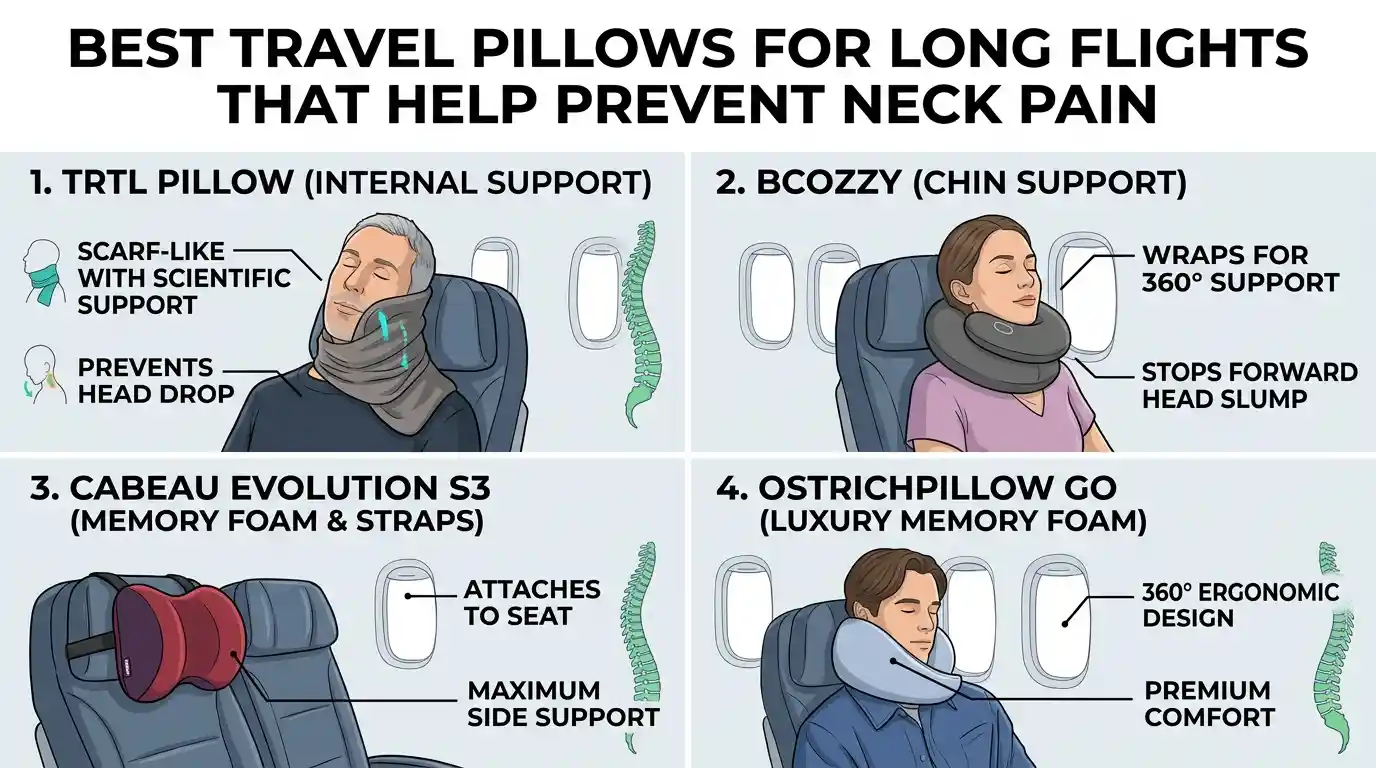
Multi-use items save space and add convenience. Examples include jackets with hidden pockets, travel pillows that double as blankets, or scarves that serve as wraps. Smart travelers prioritize items that serve multiple functions, making packing more efficient and practical.
Packing smart for long trips is all about planning, organization, and choosing versatile items. From selecting the right luggage to mastering space-saving techniques, every decision impacts your comfort and convenience during travel. By implementing these strategies, you can minimize stress, maximize efficiency, and enjoy every moment of your journey. Start practicing these tips for your next trip and make travel easier, lighter, and more enjoyable. Travel smart, pack smart, and experience stress-free adventures!
Planning a seamless vacation is easier with the right tools. Using travel apps can help you organize flights, accommodations, and activities efficiently. Learn practical tips on maximizing these tools to plan smarter and stress-free journeys by checking out how to use travel apps to plan better trips for step-by-step guidance.
FAQs
How can I pack light for long trips without forgetting essentials?
Start with a packing checklist, prioritize versatile clothing, and use packing cubes to organize items efficiently.
What is the best way to avoid wrinkles in clothes during long trips?
Rolling clothes tightly, using packing cubes, and choosing wrinkle-resistant fabrics helps minimize wrinkles.
How many pairs of shoes should I pack for a long trip?
Two to three pairs are usually sufficient: one comfortable pair for walking, one versatile pair for outings, and optional sandals.
Are compression bags worth using for long trips?
Yes, especially for bulky clothing like jackets, but use them wisely to avoid exceeding luggage weight limits.
How can I keep my electronics organized while traveling?
Use a dedicated pouch or small bag for chargers, cables, and devices, keeping them easily accessible and tangle-free.
Should I pack snacks for long trips?
Yes, packing non-perishable snacks and a reusable water bottle helps stay energized and avoid overpriced options.
Can packing cubes really save space?
Absolutely. They organize clothing by type, compress items slightly, and make it easier to locate belongings without unpacking everything.