
Introduction
When it comes to choosing a family car, safety is often the number one priority. Parents want a vehicle that not only provides comfort and space but also ensures maximum protection for everyone on board. Modern family cars come equipped with advanced safety technologies, robust crash-test ratings, and innovative driver-assist systems. Selecting a car with high safety ratings can make a significant difference in both daily commutes and long journeys, offering peace of mind for families everywhere.
Why Safety Ratings Matter
Safety ratings are more than just numbers on a chart; they reflect real-world crash performance and the effectiveness of safety systems. Organizations like the National Highway Traffic Safety Administration (NHTSA) and the Insurance Institute for Highway Safety (IIHS) conduct rigorous crash tests and evaluate features such as front, side, and rollover protection. High safety ratings indicate that a vehicle is well-engineered to minimize injury risk during collisions. For families, this means confidence that the car can protect both adults and children in a variety of accident scenarios.
Safety ratings also influence insurance costs, resale value, and overall long-term reliability. Cars that consistently perform well in safety tests are often equipped with the latest technologies, ensuring that families benefit from the newest advancements in vehicle protection.
Essential Safety Features in Family Cars
Advanced Airbag Systems
Modern family cars include multiple airbags positioned throughout the cabin. Front airbags protect the driver and front passenger, while side airbags shield the torso, and curtain airbags cover the head during side-impact collisions. Some vehicles offer rear-seat airbags, adding an extra layer of protection for children. Advanced systems also include smart airbags that adjust deployment force based on passenger size, reducing injury risk.
Electronic Stability Control
Electronic Stability Control (ESC) is a crucial feature that helps prevent skidding and loss of control. When a vehicle detects that it is veering off its intended path, ESC applies brakes to individual wheels and adjusts engine power to maintain stability. This feature is particularly useful during wet or slippery road conditions, significantly reducing the risk of accidents.
Automatic Emergency Braking
Automatic Emergency Braking (AEB) systems use sensors to detect potential collisions with vehicles or pedestrians. If a crash is imminent, the system can automatically apply brakes to reduce speed or avoid the collision entirely. This feature has become a standard in many family cars and has proven effective in preventing rear-end accidents, one of the most common types of crashes.

Lane Departure Warning and Assist
Lane departure systems alert drivers when the vehicle begins to drift out of its lane without signaling. More advanced systems actively steer the car back into the correct lane if the driver does not respond. These technologies help prevent accidents caused by distraction or drowsy driving, enhancing safety on highways and busy streets.
Blind Spot Monitoring
Blind spot monitoring detects vehicles that may not be visible in the side mirrors and provides visual or auditory alerts. This feature is invaluable for families who often navigate heavy traffic or crowded parking lots, reducing the likelihood of side collisions during lane changes.
Child Safety and ISOFIX Anchors
Family cars are designed with child safety in mind, offering ISOFIX anchors for secure installation of car seats. Some vehicles also include built-in booster seats and rear-seat reminders to prevent children from being accidentally left behind. These thoughtful features make family travel safer and more convenient.
Benefits of Choosing Cars with High Safety Ratings
Reduced Injury Risk
Vehicles with top safety ratings significantly reduce the risk of severe injury in the event of a crash. These cars are designed with reinforced structures, crumple zones, and energy-absorbing materials that protect occupants by minimizing impact forces.
Peace of Mind
Parents gain confidence knowing their family is traveling in a car tested and proven for safety. High safety ratings provide reassurance during long drives, school runs, and daily errands.
Enhanced Resale Value
Cars with excellent safety ratings often retain higher resale value. Buyers are willing to pay a premium for vehicles known to offer superior protection, making safety a wise long-term investment.
Comprehensive Insurance Coverage
Insurance companies frequently offer lower premiums for vehicles with top safety ratings. This is because statistically, cars with advanced safety systems and strong crash performance are less likely to result in costly claims.
Popular Family Cars Excelling in Safety
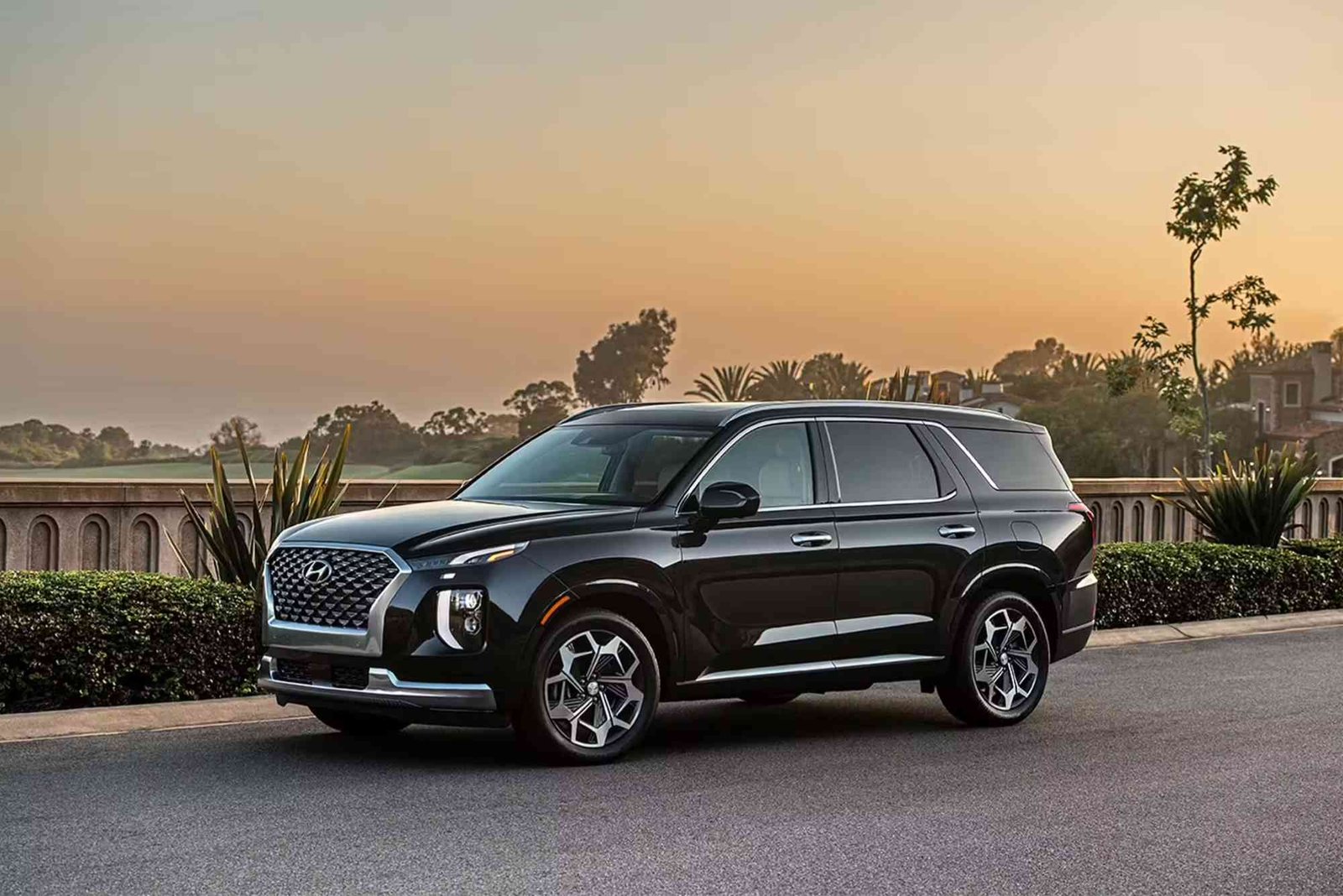
When considering family cars with great safety ratings, several models stand out due to their consistent performance in crash tests, innovative safety technologies, and overall reliability. These vehicles provide a blend of comfort, versatility, and protection for families of all sizes. Many include driver-assist features, ample cargo space, and flexible seating arrangements, ensuring that every journey is both safe and enjoyable. Parents often praise these vehicles for their intuitive controls, comfortable interiors, and durable construction.
High-performing family cars are not limited to large SUVs or minivans; even sedans and crossovers now offer advanced safety features that were once exclusive to luxury vehicles. Many models include adaptive cruise control, collision warning systems, and pedestrian detection, further enhancing their appeal for family buyers.
How to Choose the Right Family Car
Consider Your Family Size
The first step in selecting a family car is assessing your family size and lifestyle needs. Larger families may require a three-row SUV or minivan, while smaller households might find a crossover or sedan sufficient. Ensure the vehicle provides enough space for car seats, passengers, and cargo without compromising comfort or safety.
Evaluate Safety Ratings and Features
Compare safety ratings from recognized organizations such as IIHS and NHTSA. Look for vehicles with top scores in front, side, and rollover crash tests. Prioritize cars with advanced safety features like AEB, lane departure assist, and blind spot monitoring. Remember, the best safety systems are only effective if they complement solid crash protection.
Test Drive for Comfort and Handling
Safety is not only about features; a car must handle predictably in real-world conditions. Test driving potential options allows you to evaluate braking, steering responsiveness, and overall stability. Comfortable driving contributes to alertness and reduces the likelihood of accidents caused by fatigue or poor control.
Consider Long-Term Reliability
High safety ratings are important, but durability and reliability are equally crucial. Choose vehicles known for low maintenance costs, strong build quality, and dependable performance. A reliable car ensures that safety features remain effective over many years of family use.
Factor in Budget and Running Costs
While safety is paramount, it is also essential to consider your budget. Evaluate initial purchase cost, fuel efficiency, insurance rates, and potential repair expenses. Often, vehicles with top safety ratings offer excellent value when considering long-term ownership costs.
The Role of Technology in Family Car Safety
Technology continues to reshape automotive safety. Innovations like adaptive headlights, 360-degree cameras, and traffic sign recognition enhance driver awareness and accident prevention. Semi-autonomous driving systems are becoming more common, assisting with steering, braking, and lane-keeping to reduce human error. Many family cars now integrate smartphone apps and cloud-based connectivity to monitor vehicle status, maintenance needs, and even alert parents if a driver exceeds speed limits.
In addition, telematics and crash notification systems can automatically contact emergency services in the event of a serious accident, ensuring rapid assistance and potentially saving lives. Families benefit from both proactive safety technologies and responsive emergency systems, creating a comprehensive safety ecosystem.
Maintaining Safety Over Time
Owning a family car with great safety ratings is just the first step. Regular maintenance ensures that airbags, brakes, and electronic systems function correctly. Tire condition, suspension components, and steering systems should be inspected frequently. Following manufacturer guidelines for servicing preserves both safety performance and vehicle longevity.
Parents should also review child seat installation periodically, as proper usage is critical for effective protection. Educating older children on seatbelt use and safe riding habits further enhances safety. A well-maintained car combined with responsible driving habits creates a secure environment for the entire family.
Choosing one of the top family cars with great safety ratings is an investment in both peace of mind and your loved ones’ protection. Modern vehicles offer a range of features, from advanced airbags and electronic stability control to automated braking and lane-keeping technologies. By prioritizing safety, evaluating crash-test performance, and considering family needs, you can select a car that ensures every journey is secure and comfortable.
Families should take the time to research, test drive, and compare options. Safety ratings are a reliable guide, but real-world experience and long-term reliability also play critical roles. Investing in a car with excellent safety features is more than a financial decision; it is a commitment to protecting those who matter most.
For parents seeking the ultimate combination of safety, comfort, and convenience, now is the perfect time to explore family cars that excel in protection. Make informed choices, prioritize well-engineered safety systems, and enjoy the confidence that comes with traveling in one of the safest family vehicles available today. Start your search today and ensure your family rides in a car designed to keep them safe.
Looking ahead to 2025, car enthusiasts can expect an exciting lineup of top sports cars that combine cutting-edge technology, speed, and luxury. From sleek aerodynamics to powerful engines, these vehicles promise unmatched performance and style. Stay ahead of the curve and explore the Top Sports Cars Expected to Dominate 2025 for a thrilling driving experience. Check out the full details here.
FAQs
Which family cars have the best safety ratings?
Top-rated family cars often include SUVs and crossovers from brands recognized for safety innovation. Look for vehicles with top scores from IIHS and NHTSA.
Are minivans safer than SUVs for families?
Both minivans and SUVs can be extremely safe. The difference depends on specific crash-test performance, safety features, and handling characteristics.
What safety features are most important for family cars?
Essential features include multiple airbags, electronic stability control, automatic emergency braking, lane departure assist, blind spot monitoring, and proper child seat anchors.
Do high safety ratings affect insurance costs?
Yes. Vehicles with strong crash performance and advanced safety systems typically have lower insurance premiums due to reduced risk of injury and damage.
How often should I maintain safety systems in my car?
Regular inspections according to the manufacturer’s schedule are crucial. Brakes, airbags, tires, and electronic safety systems should be checked regularly to ensure proper function.
Is technology in family cars reliable for safety?
Modern technology is highly reliable but should complement safe driving habits. Features like lane assist, AEB, and blind spot detection enhance safety but do not replace driver attentiveness.