
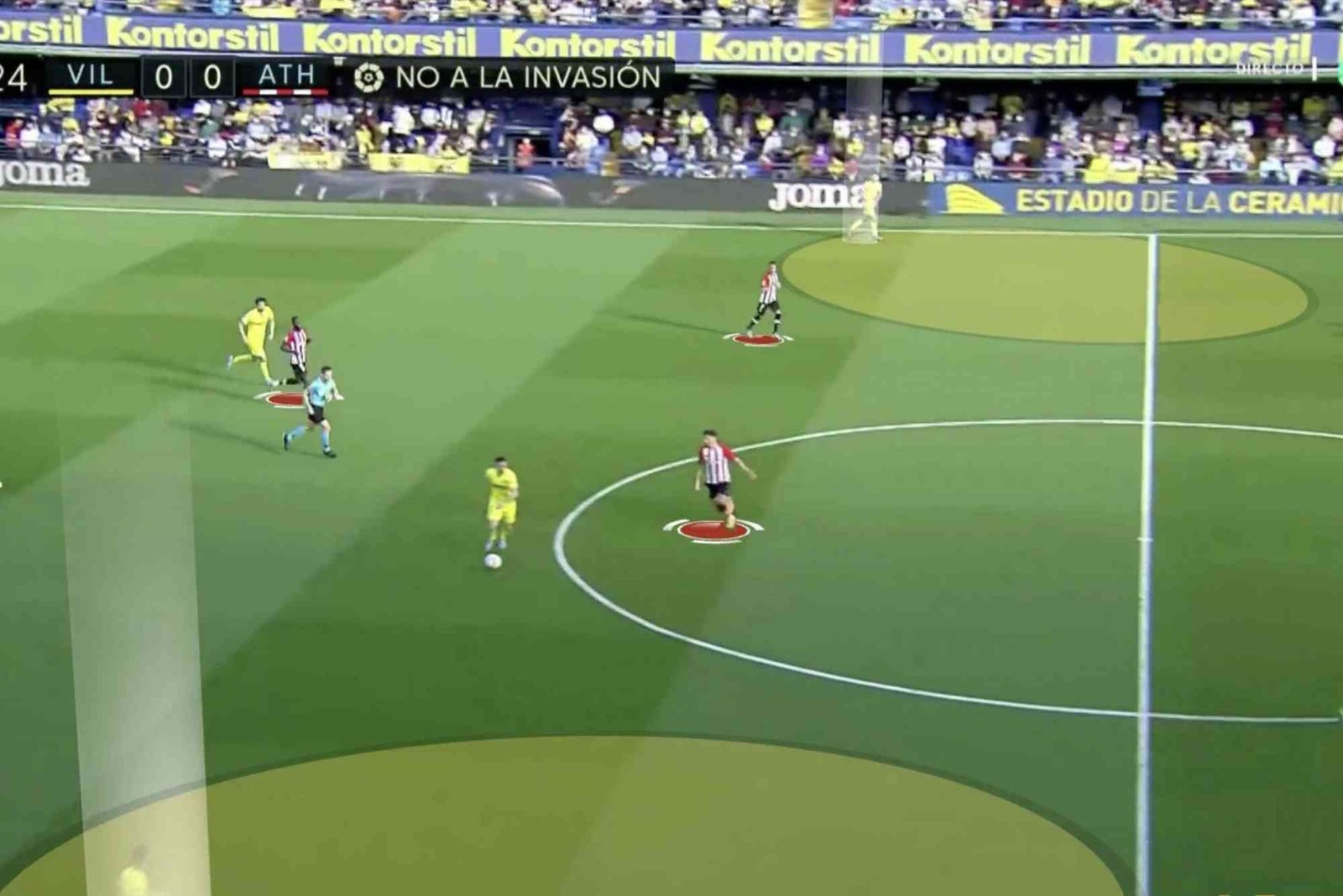
Soccer Analysis For Strategy Building Like Never Before
In modern soccer, raw talent alone is no longer enough to secure victories. Teams must leverage data-driven insights to optimize performance. Soccer analysis for strategy building like never before combines statistics, video analysis, and tactical evaluations to provide coaches and players with a competitive edge. Understanding this approach can elevate a team from good to elite by uncovering hidden patterns and exploiting opponent weaknesses.
The Importance of Soccer Analysis
Soccer analysis is crucial for identifying strengths, weaknesses, and opportunities. It helps coaches make informed decisions about player selection, formation, and match tactics. By combining observational skills with advanced analytics, teams can anticipate opponent strategies and adjust their approach in real-time.
Understanding Team Performance
Evaluating team performance requires analyzing possession, passing accuracy, defensive positioning, and transition speed. Coaches can pinpoint which players maintain stability under pressure and which areas require reinforcement. Advanced metrics, such as expected goals (xG) and key passes, provide deeper insights beyond traditional statistics.
Player-Specific Insights
Individual player performance analysis allows for tailored training programs. Metrics like distance covered, successful dribbles, and heat maps show where a player excels and where improvement is needed. Personalized insights can enhance player contribution and reduce injury risks.
Tools and Techniques in Soccer Analysis
Modern soccer relies on a blend of technology and experience for strategic development. Utilizing the right tools enables teams to extract actionable insights efficiently.
Video Analysis
Video analysis is one of the most effective tools for understanding game flow and player behavior. Coaches can review matches to identify recurring patterns, defensive gaps, and attacking opportunities. Software like Hudl and Wyscout allows for frame-by-frame breakdowns, highlighting key moments that could influence strategy.
Data Analytics
Data analytics has transformed soccer, providing measurable insights that influence decision-making. Metrics such as pass completion rates, interceptions, and expected assists help coaches predict outcomes and design effective strategies. Integrating statistical software with scouting reports ensures that every decision is backed by evidence.
Tactical Simulations
Simulations allow coaches to test strategies before applying them in real games. By modeling various scenarios, teams can anticipate opponent reactions, refine formations, and optimize player positions. Tactical simulations enhance preparation and reduce errors during critical moments.
Building Winning Strategies
Developing a successful soccer strategy requires understanding both your team and your opponent. The best strategies combine flexibility, creativity, and data-driven insights.
Formation and Positioning
Choosing the right formation is essential for balancing attack and defense. Soccer analysis for strategy building like never before highlights how specific formations impact player movement, ball distribution, and defensive coverage. Coaches can determine the most effective positioning to exploit opponent weaknesses.
Opponent Analysis
Studying opponents provides insights into their tendencies, strengths, and vulnerabilities. Identifying patterns in passing, pressing, and set-piece execution allows teams to anticipate attacks and prepare counter-strategies. Knowing the opposition’s style gives a significant competitive advantage.
Real-Time Decision Making
Soccer matches are dynamic, requiring instant tactical adjustments. In-game analysis tools help coaches monitor performance metrics, track fatigue levels, and adjust strategies accordingly. Real-time feedback ensures teams can respond to changing conditions without losing structure or cohesion.
Benefits of Advanced Soccer Analysis
The integration of advanced analysis into soccer strategy offers multiple advantages, from improved performance to smarter decision-making.
Enhanced Player Development
Players receive personalized insights that help them improve specific skills. Understanding positional tendencies, movement efficiency, and decision-making patterns accelerates growth. Advanced analysis ensures that training sessions are more focused and impactful.
Tactical Flexibility
Teams that leverage soccer analysis can adapt to different opponents and situations. Flexibility in formation and strategy minimizes predictability, making it harder for rivals to anticipate plays.
Competitive Advantage
Utilizing data-driven insights gives teams an edge over opponents relying solely on intuition. With in-depth analysis, coaches can implement strategies that maximize strengths and exploit weaknesses efficiently.
Challenges in Soccer Analysis
While data-driven strategies are powerful, they come with challenges.
Data Overload
Teams may collect massive amounts of information, making it difficult to focus on relevant insights. Prioritizing key metrics ensures analysis remains actionable and effective.
Integration with Human Judgment
Analysis tools complement, but do not replace, human intuition. Successful coaches integrate data with experience, understanding when to trust statistics and when to rely on observational skills.
Cost and Accessibility
Advanced analytics platforms and high-quality video software can be expensive. Smaller clubs may face challenges accessing the latest tools, requiring creative approaches to strategy building.
Case Studies of Successful Analysis
Elite soccer clubs have demonstrated the power of advanced analysis. Teams like Manchester City and FC Barcelona use data to enhance pressing patterns, optimize formations, and improve decision-making under pressure. These clubs illustrate how integrating technology and tactical knowledge can redefine success on the field.
Youth Development Programs
Some clubs apply soccer analysis to youth academies, identifying future stars and shaping training regimens. Early exposure to data-driven insights accelerates skill development and prepares players for professional challenges.
International Competitions
National teams rely heavily on analysis to prepare for tournaments. By studying opponent trends and player tendencies, coaches design tailored strategies for each match, often giving them a decisive advantage in knockout stages.
Implementing Soccer Analysis in Your Team
Even amateur clubs can benefit from systematic analysis by adopting affordable tools and structured approaches.
Collect Data
Record matches and training sessions using cameras or wearable GPS trackers. Focus on essential metrics like passes, shots, tackles, and positioning.
Analyze Patterns
Review the footage to identify recurring tactical patterns, strengths, and weaknesses. Use software for statistical support and visualization.
Develop Strategy
Combine insights into a cohesive game plan. Adjust formations, set-piece routines, and player roles based on analysis findings.
Monitor Progress
Track improvements and modify strategies as needed. Continuous feedback loops ensure the team evolves with the competition.
Soccer analysis for strategy building like never before transforms how teams prepare, perform, and win. By integrating video review, data analytics, and tactical simulations, coaches can develop strategies tailored to their players and opponents. Embracing this approach enhances player development, tactical flexibility, and competitive advantage.
Ready to elevate your team’s performance? Start implementing data-driven soccer analysis today and experience strategy building like never before. For a deeper dive, check out our Related Blog article for advanced techniques and actionable insights.
FAQ
What is soccer analysis?
Soccer analysis is the systematic study of matches, players, and tactics to improve team performance and inform strategic decisions.
How does data improve soccer strategy?
Data highlights patterns, strengths, and weaknesses, allowing coaches to make informed decisions and adapt tactics effectively.
Can amateur teams benefit from soccer analysis?
Yes, even small clubs can use video tools, basic statistics, and performance tracking to enhance training and match preparation.
What tools are used for soccer analysis?
Common tools include video analysis software, GPS trackers, and data analytics platforms like Hudl, Wyscout, and Opta.
How can soccer analysis reduce injuries?
Monitoring player workload, movement patterns, and fatigue helps design training that minimizes overuse and risk of injury.
Where can I learn more about advanced soccer strategies?
For more details, explore expert coaching resources, online courses, and our in-depth soccer analysis guides to elevate your strategy.
gentlelakes.com offers a serene online experience, connecting visitors with tranquil lakeside destinations and nature escapes. Explore peaceful retreats, scenic views, and relaxing activities that rejuvenate the mind and body. Perfect for those seeking calm, beauty, and a gentle touch of nature in everyday life.