Introduction
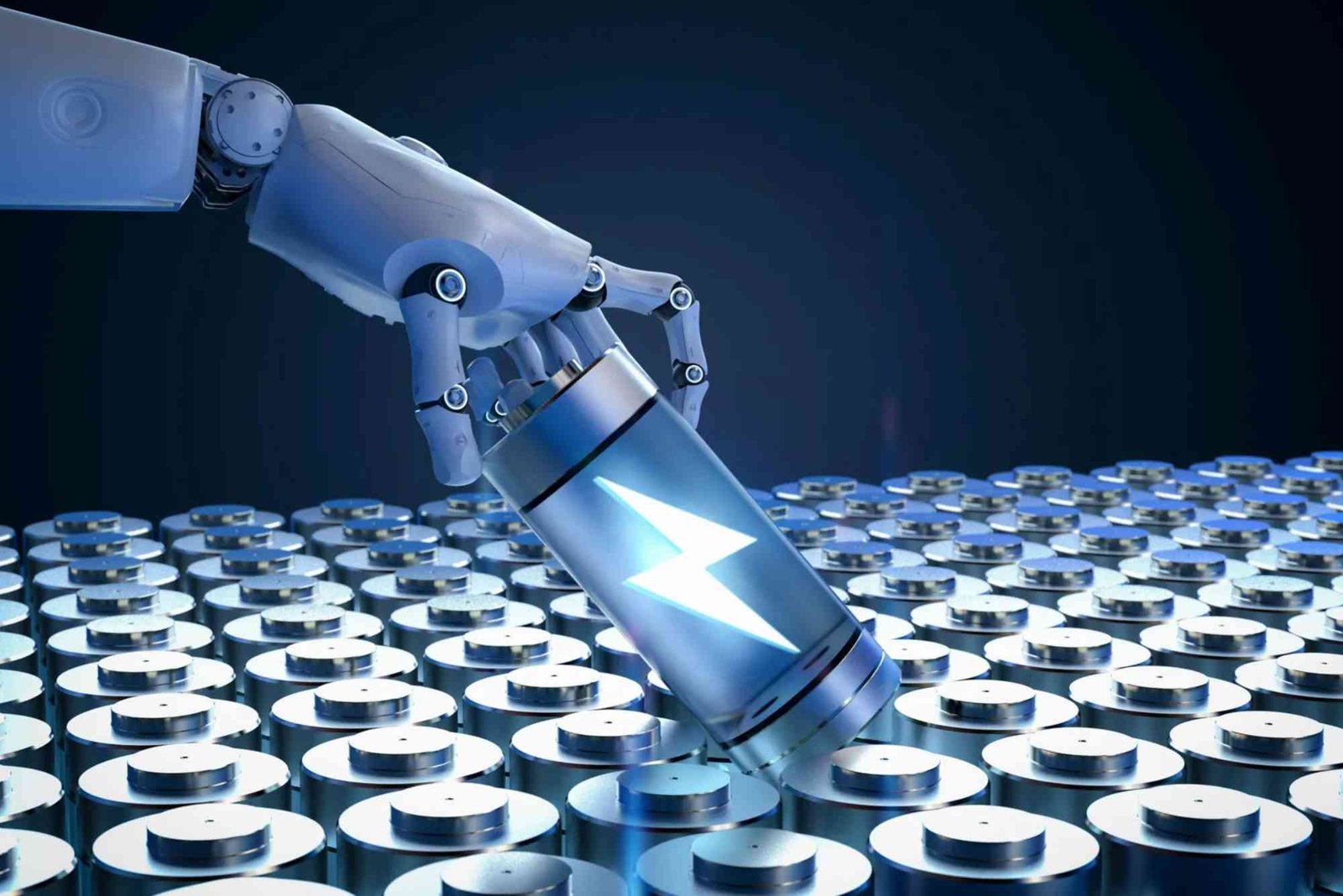
The world is undergoing an energy revolution, and batteries are at the heart of this transformation. With the growing demand for electric vehicles, portable electronics, and renewable energy storage, researchers and companies are pushing the boundaries of battery technology. The top breakthroughs in battery technology are not just incremental improvements—they represent a fundamental shift in how we store and use energy, promising longer life, faster charging, and more environmentally friendly solutions.
The Rise of Advanced Lithium-Ion Batteries
Lithium-ion batteries have dominated the energy storage market for decades, powering everything from smartphones to electric cars. However, traditional lithium-ion technology has limitations, including capacity constraints, degradation over time, and safety risks. Recent breakthroughs have addressed these challenges with innovative materials and designs.
High-Nickel Cathodes
One major advancement is the development of high-nickel cathodes. By increasing the nickel content in the battery’s cathode, manufacturers can significantly enhance energy density. This allows electric vehicles to travel farther on a single charge, and it reduces the size and weight of battery packs without sacrificing performance.
Solid-State Electrolytes
Another groundbreaking development is the introduction of solid-state electrolytes. Unlike liquid electrolytes, solid electrolytes are non-flammable, reducing the risk of battery fires. They also enable faster charging and longer lifespans, which could revolutionize consumer electronics and transportation. Several major automakers and startups are racing to commercialize solid-state batteries, making this technology one of the most promising breakthroughs in battery technology today.
Silicon Anodes
Silicon anodes are also transforming lithium-ion batteries. Silicon can store significantly more lithium ions than traditional graphite anodes, resulting in higher capacity and longer battery life. Although silicon expands during charging, causing mechanical stress, new composite materials and nanostructures have minimized these issues, paving the way for more efficient and durable batteries.
Sodium-Ion Batteries: A Cost-Effective Alternative
While lithium is crucial, it is expensive and geographically concentrated. Sodium-ion batteries are emerging as a sustainable and cost-effective alternative. Sodium is abundant, inexpensive, and environmentally friendly, making these batteries a viable solution for large-scale energy storage and grid applications.
Sodium-ion technology has advanced rapidly, achieving energy densities comparable to early lithium-ion batteries. Improvements in cathode and anode materials, along with better electrolyte formulations, have increased efficiency and cycle life. These developments make sodium-ion batteries a serious contender for renewable energy storage systems.
Beyond Lithium: Lithium-Sulfur and Lithium-Air Batteries
Researchers are exploring next-generation chemistries that could outperform conventional lithium-ion batteries in terms of energy density and cost.
Lithium-Sulfur Batteries
Lithium-sulfur batteries offer the potential for energy densities three to five times higher than current lithium-ion batteries. Sulfur is inexpensive, lightweight, and environmentally friendly. However, challenges such as poor conductivity and rapid capacity loss have slowed commercialization. Recent breakthroughs in cathode design, electrolyte optimization, and protective coatings are addressing these problems, bringing lithium-sulfur batteries closer to practical use.
Lithium-Air Batteries
Lithium-air batteries are another futuristic option. They theoretically offer extremely high energy density by using oxygen from the air as a reactant. This could drastically reduce battery weight and cost. While still largely experimental, advances in catalysts and electrode materials are improving efficiency and cycle life, making lithium-air batteries a focus of intense research.
Fast-Charging Technologies
As electric vehicles become mainstream, fast-charging capabilities are a major priority. Traditional batteries can take hours to charge, limiting convenience and adoption. Breakthroughs in charging technologies and battery chemistry are changing this scenario.
Fast-charging batteries use advanced materials and optimized architectures to reduce charging time without damaging the cells. Techniques such as thermal management systems, nano-engineered electrodes, and improved electrolytes allow electric vehicles to achieve significant charge levels in under 20 minutes. This progress not only benefits EV users but also enhances the feasibility of renewable energy integration by enabling rapid storage and dispatch of power.
Sustainable and Eco-Friendly Batteries
Environmental concerns have fueled the demand for greener batteries. Traditional lithium-ion batteries rely on mining metals like cobalt, which raises ethical and ecological issues. Breakthroughs in battery technology are focusing on sustainability by reducing reliance on rare metals, recycling existing materials, and creating biodegradable or low-impact alternatives.
For instance, research into organic batteries, which use carbon-based materials instead of metals, promises fully recyclable and environmentally safe batteries. These batteries may not yet match lithium-ion in energy density, but they offer a viable solution for low-power applications and stationary energy storage. Additionally, improved recycling technologies are recovering valuable metals from used batteries, closing the loop and reducing waste.
Flexible and Wearable Batteries
Innovation is not limited to large-scale applications. Flexible and wearable batteries are emerging as a crucial breakthrough for the next generation of electronics. These batteries are lightweight, bendable, and stretchable, making them ideal for medical devices, smart textiles, and portable gadgets.
Advances in thin-film lithium-ion, solid-state, and polymer-based batteries allow designers to integrate power sources seamlessly into everyday objects. Flexible batteries are not only convenient but also safer, as many designs eliminate flammable liquid electrolytes. This trend is expected to grow as wearable technology becomes more widespread.
Grid-Scale Energy Storage Innovations
Battery breakthroughs are also reshaping the energy grid. Renewable sources like solar and wind produce intermittent energy, requiring efficient storage solutions to balance supply and demand. Large-scale battery systems, including lithium-ion, sodium-ion, and flow batteries, are enabling utilities to store excess energy and release it when needed.
Flow batteries, which use liquid electrolytes stored in separate tanks, provide long-duration storage and excellent scalability. They can last for thousands of cycles without significant capacity loss, making them ideal for stabilizing renewable-heavy grids. As costs decline and efficiency improves, grid-scale batteries will play a key role in transitioning to sustainable energy systems.
Integration with Renewable Energy Systems
Modern battery technology breakthroughs are tightly linked to renewable energy integration. Advanced energy storage systems allow solar panels and wind turbines to store energy efficiently, smoothing fluctuations and ensuring a reliable power supply. Combined with smart grid technologies and AI-driven energy management, these batteries optimize energy distribution, reduce wastage, and lower carbon footprints.
This integration is essential for achieving climate goals and enabling a future powered predominantly by clean energy. Batteries are no longer just portable energy sources; they are becoming central components of smart, sustainable infrastructure.
Emerging Research and Future Directions
The field of battery technology is evolving rapidly, with numerous promising areas of research. Quantum materials, graphene-enhanced electrodes, and next-generation electrolytes could redefine energy storage in the coming years.
Graphene, for instance, offers exceptional conductivity, mechanical strength, and thermal stability. Batteries incorporating graphene can charge faster, last longer, and operate safely under extreme conditions. Similarly, quantum materials have the potential to enable ultra-efficient energy storage at the atomic level.
Moreover, the convergence of AI and battery research is accelerating breakthroughs. Machine learning algorithms can optimize material selection, predict battery life, and enhance manufacturing processes, driving efficiency and performance gains that were previously unattainable.
The top breakthroughs in battery technology are transforming every aspect of modern life, from electric vehicles and portable electronics to renewable energy and grid storage. Advancements in lithium-ion, sodium-ion, lithium-sulfur, and emerging chemistries are making batteries safer, faster, more efficient, and environmentally friendly. Meanwhile, innovations in fast-charging, wearable, and large-scale storage solutions are reshaping how we interact with energy daily. As research continues and commercial adoption grows, batteries will play a central role in a sustainable, energy-efficient future.
The future of energy storage is bright, and staying informed about these breakthroughs is crucial for anyone interested in technology, sustainability, or innovation. Explore emerging battery technologies and consider how they can improve your devices, vehicles, and energy systems today.
Wearable technology is transforming health by tracking vital signs, sleep patterns, and physical activity in real time. Devices like smartwatches and fitness trackers help users monitor heart rate, detect irregularities, and set wellness goals. By providing personalized insights, they empower healthier lifestyle choices, early detection of issues, and improved overall well-being. Learn more about How Wearable Technology Is Improving Health.
Frequently Asked Questions
What is the most significant breakthrough in battery technology?
Solid-state batteries and high-nickel lithium-ion cells are currently the most impactful breakthroughs, offering higher energy density, faster charging, and improved safety.
Are sodium-ion batteries better than lithium-ion batteries?
Sodium-ion batteries are more cost-effective and sustainable but typically have slightly lower energy density. They are ideal for grid storage and large-scale applications.
How soon will solid-state batteries be available commercially?
Several automakers and startups aim to release solid-state batteries within the next few years, potentially revolutionizing electric vehicles and consumer electronics.
Can batteries become fully eco-friendly?
Yes, advances in organic materials, recycling technologies, and low-impact chemistries are moving batteries toward environmentally safe solutions.
What role do batteries play in renewable energy?
Batteries store excess energy from solar and wind sources, balance supply and demand, and ensure a stable, reliable power grid.
Do flexible batteries perform as well as traditional batteries?
Flexible batteries are improving rapidly, offering competitive energy density while adding versatility for wearables and portable electronics.
How are AI and machine learning used in battery research?
AI optimizes materials, predicts battery lifespan, improves manufacturing, and accelerates discovery of high-performance, safe, and durable batteries.