
Introduction
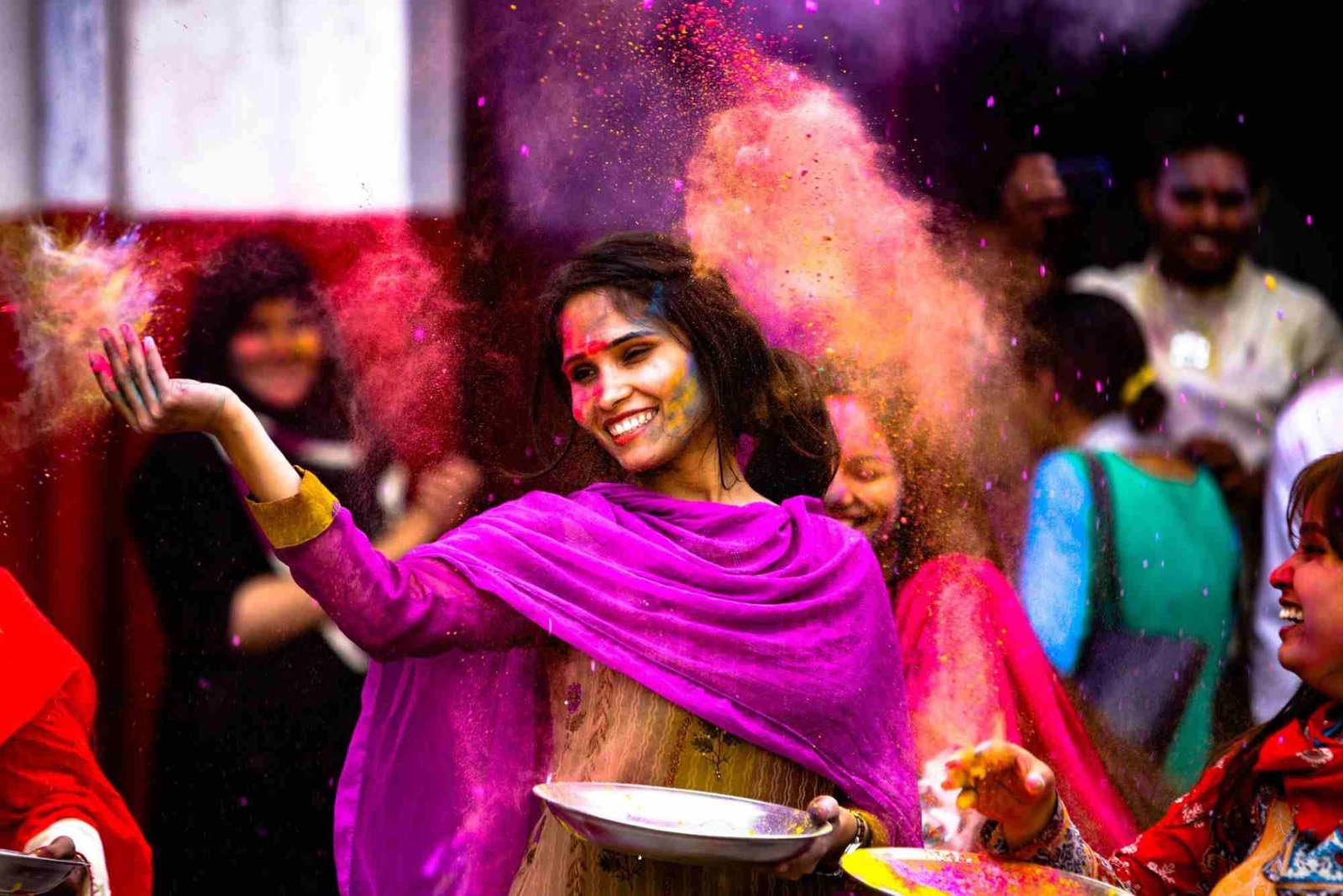
Cultural festivals are living expressions of history, identity, and community spirit. From vibrant street parades to deeply spiritual rituals, the top cultural festivals around the world offer travelers a unique chance to experience local traditions in their most authentic form. These events go beyond entertainment—they reflect centuries of beliefs, art, music, food, and social values passed down through generations.
In this in-depth guide, we explore the top cultural festivals around the world, uncovering their origins, meanings, and what makes each celebration unforgettable. Whether you’re a cultural enthusiast, a curious traveler, or someone planning their next international adventure, this article will help you understand why these festivals matter and how to experience them responsibly.
Why Cultural Festivals Matter Globally
Cultural festivals serve as a bridge between the past and the present. They preserve heritage while adapting to modern times, helping communities strengthen identity and pass traditions to younger generations.
Cultural Preservation and Identity
Many global festivals originated centuries ago, often tied to agricultural cycles, religious beliefs, or historical milestones. Celebrating them keeps languages, rituals, clothing, music, and folklore alive.
Global Tourism and Cultural Exchange
The top cultural festivals around the world attract millions of international visitors each year. This cultural exchange fosters understanding, respect, and appreciation among different societies while supporting local economies.
Top Cultural Festivals Around the World You Must Experience
Rio Carnival – Brazil
A Celebration of Music, Dance, and Freedom
Rio Carnival is one of the most famous cultural festivals globally, held annually before Lent. Known for samba music, extravagant costumes, and massive street parades, it represents Brazil’s Afro-European heritage.
What Makes It Unique
- Samba school competitions in the Sambadrome
- Street parties (blocos) across the city
- Deep roots in Brazilian history and social expression
This festival showcases how cultural festivals can combine joy, protest, and identity into one powerful celebration.
Diwali – India
The Festival of Lights
Diwali is one of the most important Hindu festivals and a major highlight among the top cultural festivals around the world. Celebrated across India and by Indian communities globally, it symbolizes the victory of light over darkness.
Cultural and Spiritual Significance
- Lighting oil lamps (diyas) to welcome prosperity
- Exchanging sweets and gifts
- Fireworks and family gatherings
Diwali reflects values of hope, renewal, and togetherness, making it deeply meaningful beyond its visual beauty.
Chinese New Year – China
Welcoming the Lunar New Year
Also known as the Spring Festival, Chinese New Year is the largest annual migration event in the world. Families reunite to welcome a new lunar cycle with rituals meant to bring luck and prosperity.
Key Traditions
- Dragon and lion dances
- Red decorations symbolizing good fortune
- Traditional meals and ancestral worship
As one of the top cultural festivals around the world, it highlights the importance of family and harmony in Chinese culture.
Oktoberfest – Germany
More Than Beer
Oktoberfest, held annually in Munich, is often associated with beer, but it is deeply rooted in Bavarian culture and history. It began as a royal wedding celebration in 1810.
Cultural Highlights
- Traditional Bavarian clothing (lederhosen and dirndls)
- Folk music and dances
- Local cuisine like pretzels and sausages
This festival demonstrates how regional traditions can become global cultural icons.
Hanami – Japan
Celebrating Cherry Blossoms
Hanami is a centuries-old Japanese tradition of appreciating cherry blossoms (sakura). Though quiet compared to other festivals, it is one of the most culturally meaningful celebrations in Japan.
Why It Matters
- Symbolizes the fleeting nature of life
- Encourages reflection and mindfulness
- Brings communities together in parks
Among the top cultural festivals around the world, Hanami stands out for its simplicity and philosophical depth.
Mardi Gras – United States (New Orleans)
A Blend of Cultures
Mardi Gras in New Orleans blends French, African, Spanish, and Caribbean influences. Parades, masks, and music define this colorful pre-Lenten celebration.
Key Elements
- Bead-throwing traditions
- Jazz and brass band performances
- Elaborate floats organized by “krewes”
It’s a powerful example of how cultural festivals evolve through multicultural influences.
Day of the Dead – Mexico
Honoring Life Through Remembrance
Día de los Muertos is a UNESCO-recognized cultural festival celebrating deceased loved ones. Rather than mourning, families honor life with colorful altars and offerings.
Cultural Symbols
- Sugar skulls and marigolds
- Personal altars (ofrendas)
- Parades and face painting
This festival challenges global perceptions of death and highlights the emotional richness of Mexican culture.
La Tomatina – Spain
A Festival of Joyful Chaos
La Tomatina is a unique Spanish festival where participants engage in a massive tomato-throwing event. While playful, it reflects Spain’s strong sense of community and celebration.
Cultural Context
- Originated in the mid-20th century
- Symbolizes freedom and collective joy
- Strongly regulated to ensure safety
It proves that cultural festivals can be both unconventional and meaningful.
Inti Raymi – Peru
The Festival of the Sun
Inti Raymi is an ancient Incan festival honoring the sun god Inti. Held in Cusco, it reenacts traditional rituals once banned during colonial times.
Why It’s Significant
- Revives indigenous heritage
- Features traditional clothing and ceremonies
- Educates younger generations
As one of the top cultural festivals around the world, it highlights resilience and cultural revival.
Tips for Experiencing Cultural Festivals Respectfully
Learn Before You Go
Understanding the history and meaning behind festivals helps avoid unintentional disrespect.
Dress Appropriately
Many festivals have cultural or religious dress expectations.
Support Local Communities
Choose local guides, artisans, and accommodations to contribute positively.
How Cultural Festivals Shape Global Understanding
The top cultural festivals around the world act as informal classrooms, teaching visitors about history, values, and social norms. They encourage empathy, break stereotypes, and create shared human experiences beyond borders.
Cultural festivals are more than dates on a calendar—they are living traditions that define who we are. Exploring the top cultural festivals around the world offers insight into humanity’s diversity and shared values. Whether through music, food, rituals, or storytelling, these celebrations remind us that culture is meant to be lived, shared, and respected.
FAQs
What are the top cultural festivals around the world?
Some of the top cultural festivals around the world include Rio Carnival, Diwali, Chinese New Year, Oktoberfest, Day of the Dead, and Hanami.
Which cultural festival attracts the most tourists?
Rio Carnival and Oktoberfest are among the cultural festivals that attract millions of international visitors annually.
Why are cultural festivals important?
Cultural festivals preserve heritage, strengthen community identity, and promote global cultural understanding.
What is the best time to attend cultural festivals worldwide?
Festival dates vary by region and tradition. Many occur seasonally or are tied to lunar calendars, so planning ahead is essential.
How can travelers respect local traditions during festivals?
By learning cultural norms, dressing appropriately, asking permission for photos, and supporting local businesses.
How to Plan a Last-Minute Vacation: Planning a last-minute vacation can be simple and exciting if you stay flexible and organized. Start by choosing nearby destinations, setting a clear budget, and searching for quick travel deals. Pack light, book essential services fast, and focus on experiences instead of perfection to enjoy a stress-free, spontaneous trip.